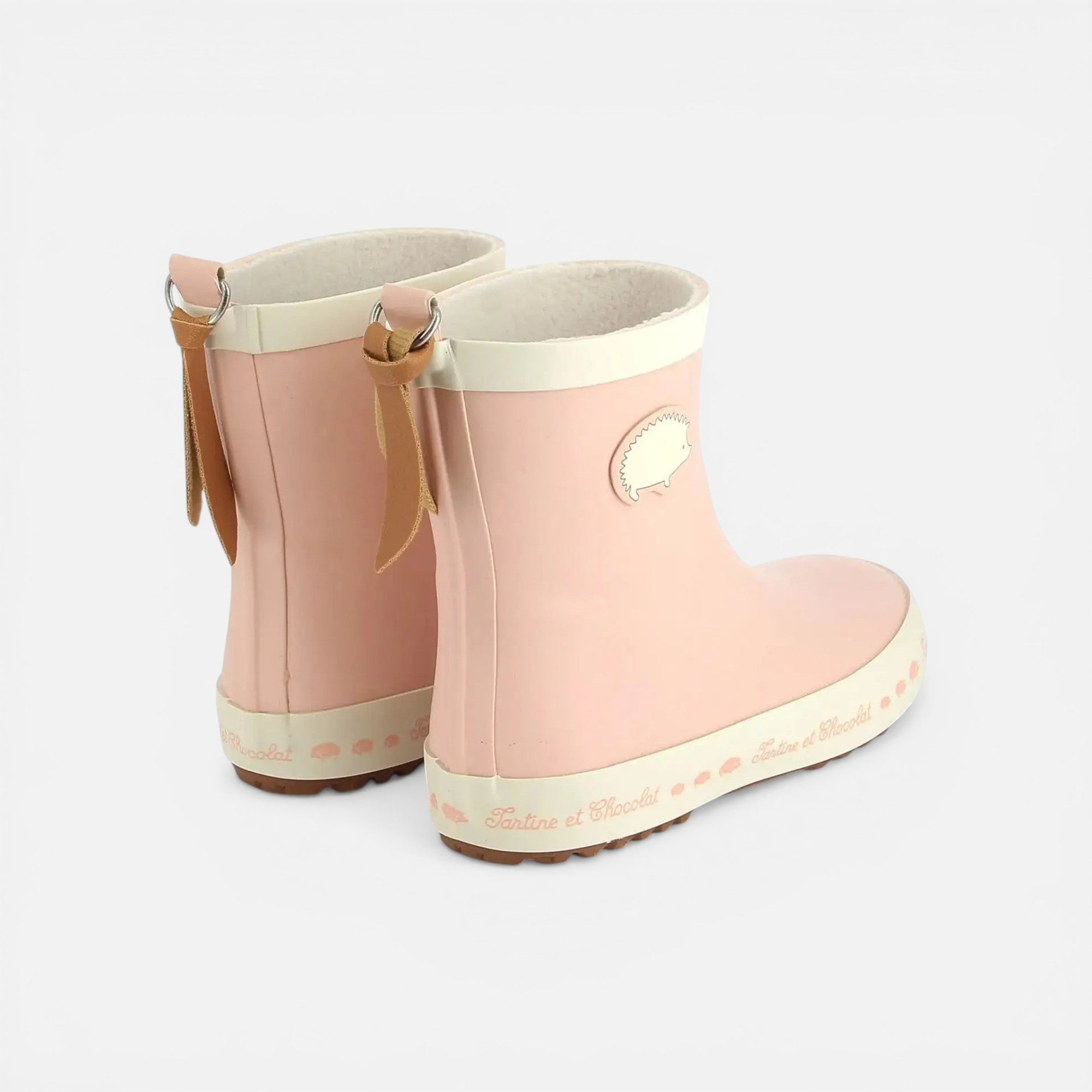

To learn to walk, a child goes through several stages that strengthen their muscles and develop their muscle tone, coordination, and balance. Whether by sitting, crawling, or walking on all fours, each child progresses at their own pace, using their own way of moving.
As the child goes through these stages, the foot also changes: its shape evolves, the child’s footing becomes more stable, and the child’s movements gradually become more confident. Consequently, the child’s footwear needs also change, depending on the child’s stage of development and the skills the child has acquired.
That is why Pom d’Api identifies four key stages of walking, so it can offer the right fit for each stage: the right flexibility, the right support, and the right protection—at the right time.
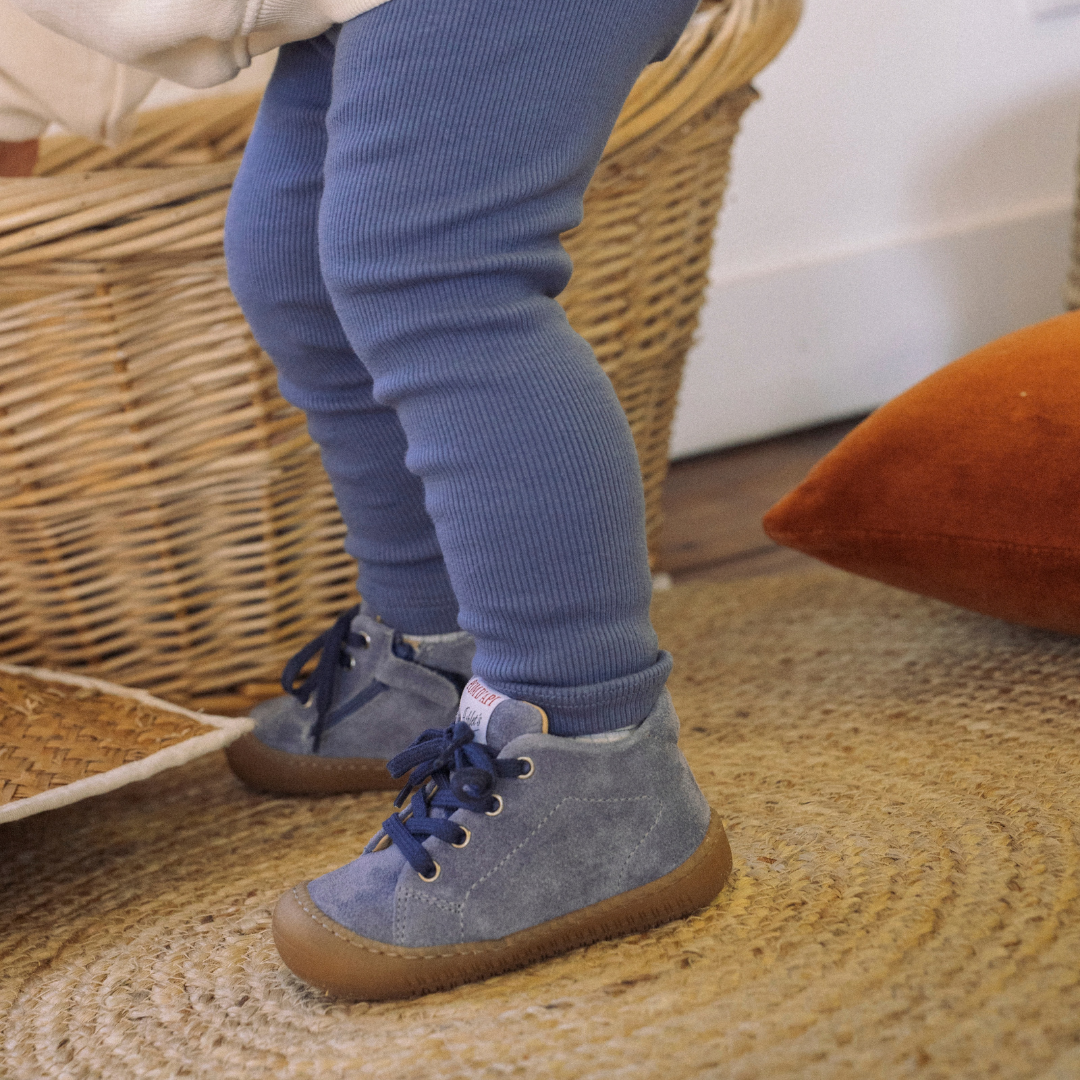
PRE-MARCH
Type of shoe: Slippers or shoes designed to protect against uneven surfaces (or for outdoor use)
Explanation: The child is not yet walking on his or her own: standing with support, on all fours
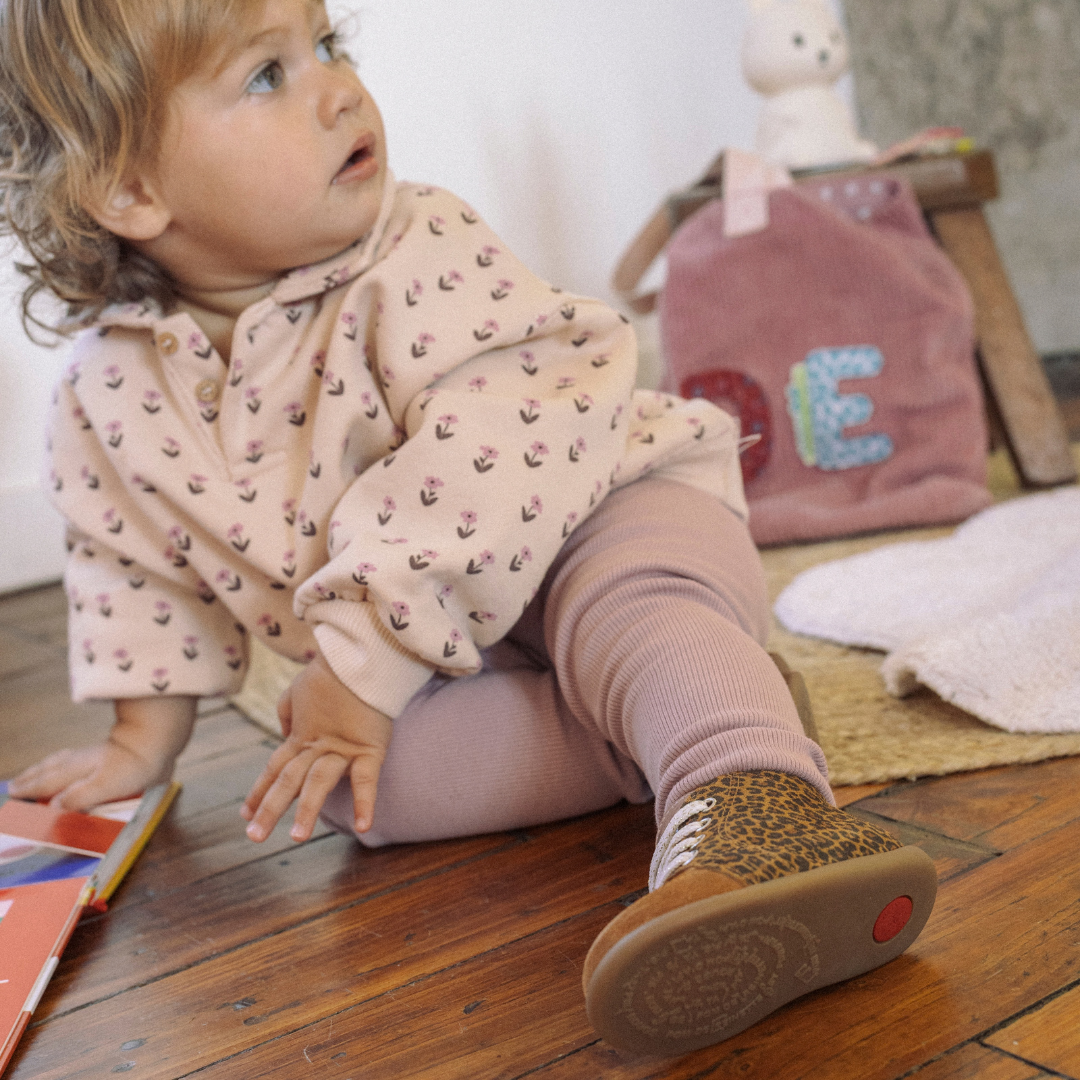
FIRST STEPS
Shoe type: Flexible first-step shoes with a thin, non-slip sole
Explanation: Starts walking, stumbles, still unsteady
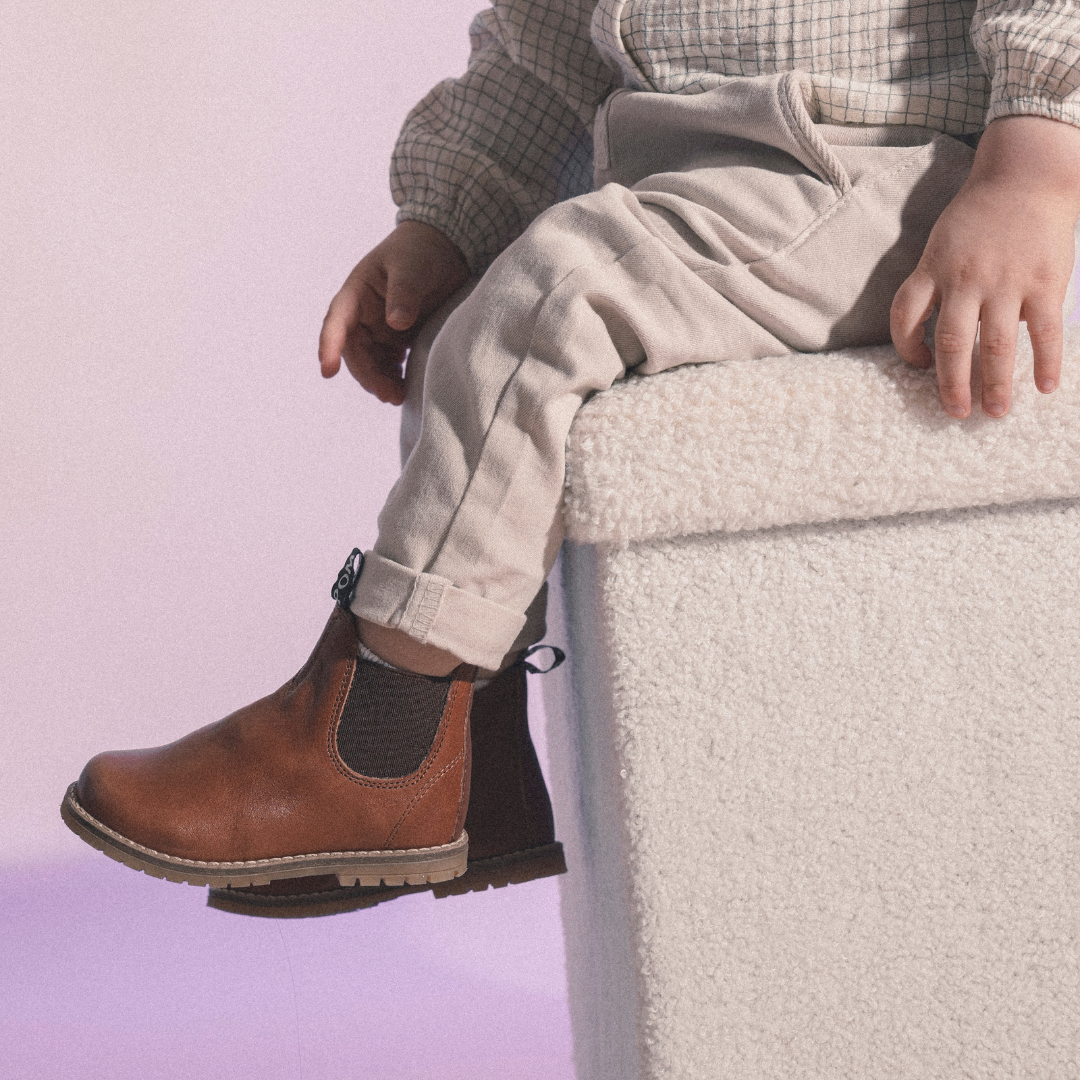
CONFIRMED WALK
Shoe type: Flexible in the forefoot, more stable and slip-resistant
Explanation: Walk without tripping; step over obstacles
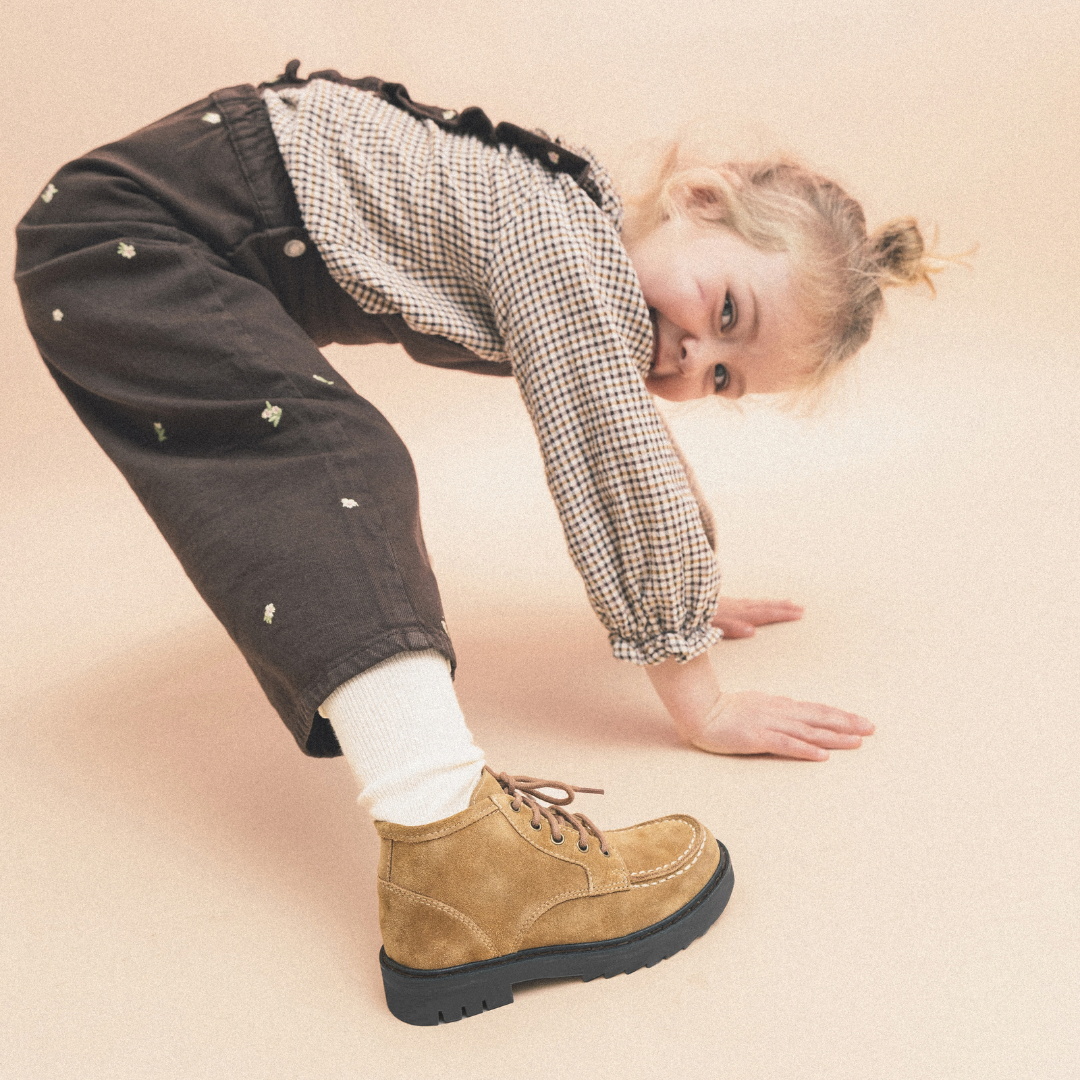
AUTONOMOUS OPERATION
Shoe type: Durable shoe with a non-slip sole, designed for running and jumping
Explanation: Walks with ease: he runs and jumps
PRE-MARCH
Type of shoe: Slippers or shoes designed to protect against uneven surfaces (or for outdoor use)
Explanation: The child is not yet walking on his or her own: standing with support, on all fours
FIRST STEPS
Shoe type: Flexible first-step shoes with a thin, non-slip sole
Explanation: Starts walking, stumbles, still unsteady
CONFIRMED WALK
Shoe type: Flexible in the forefoot, more stable and slip-resistant
Explanation: Walk without tripping; step over obstacles
AUTONOMOUS OPERATION
Shoe type: Durable shoe with a non-slip sole, designed for running and jumping
Explanation: Walks with ease: he runs and jumps

Pre-walk
Babies explore the world while sitting, crawling, or moving around on all fours. At home, they should go barefoot as much as possible so that the muscles in their feet develop naturally—especially the big toe, which is essential for balance and future weight-bearing.
At this stage, his feet can be fitted with slippers or shoes to protect them from rough surfaces and outdoor activities. It is also at this stage that the arch of the foot begins to form, as the foot muscles develop.

First Steps
The baby stands up and places one foot in front of the other to take a step, still a bit hesitant. This is when a first pair of first-step shoes comes in handy: heel support, a flexible sole, and enough room in the toe box to accommodate this new balance without ever restricting it.

Walk Confirmed
The child's gait stabilizes, they gain confidence and begin to quicken their pace. The shoe must now follow the natural movements of the foot, with a certain degree of flexibility and sufficient support.

Self-guided tour
The child is active: he runs and jumps. His shoe must offer more resistance and grip to support this energy, without ever sacrificing comfort or freedom of movement of the foot.
Discover our expertise in early childhood development, backed by more than 50 years of experience.