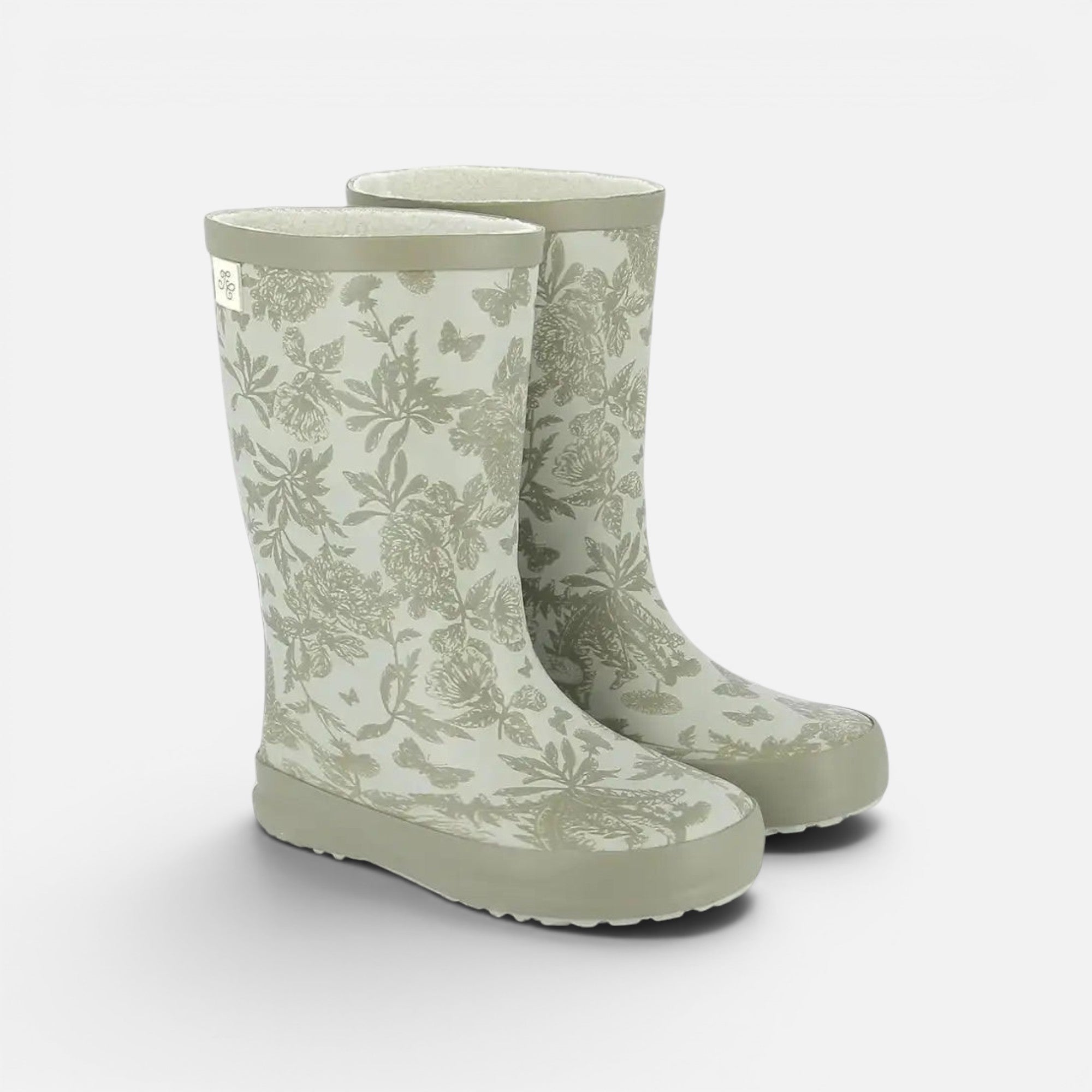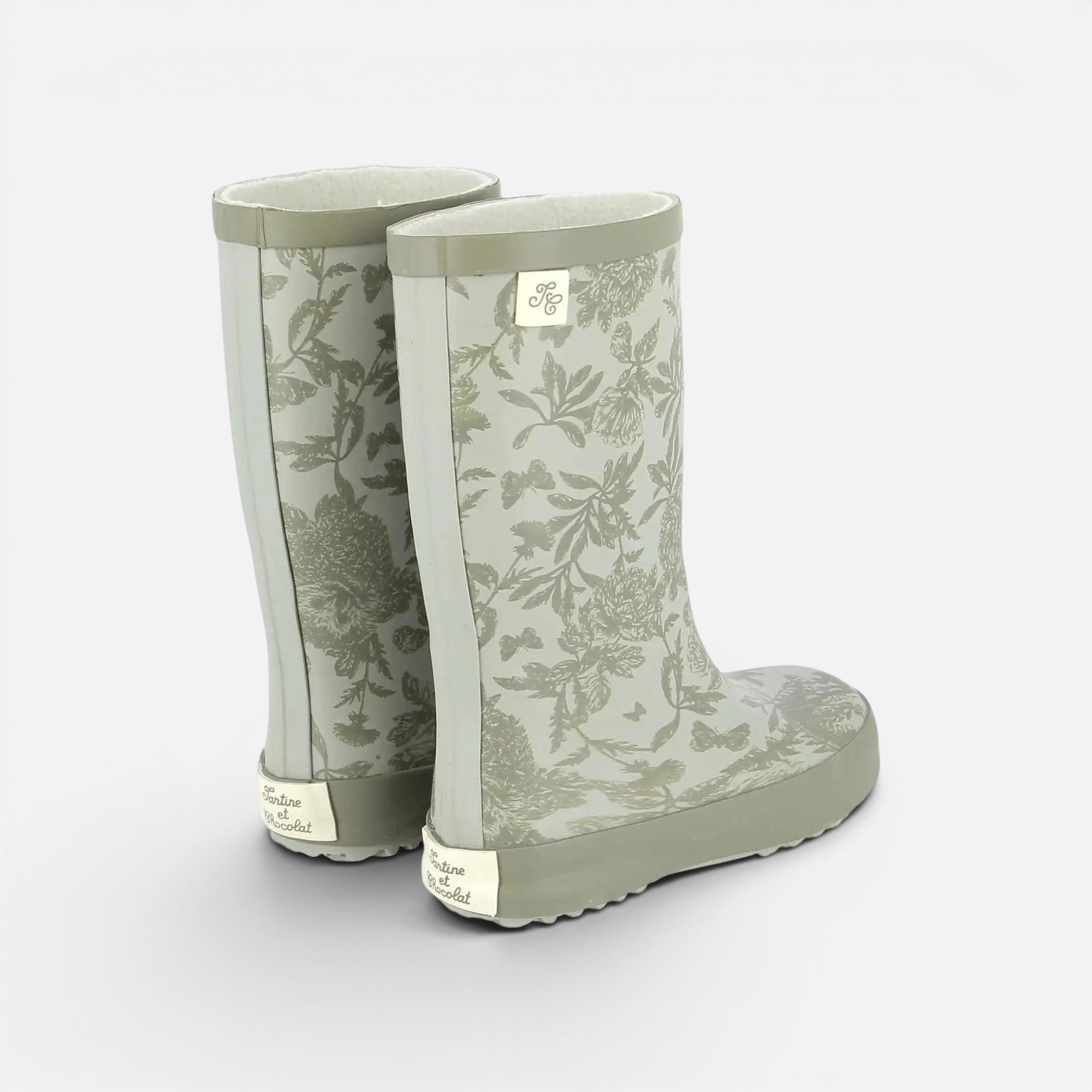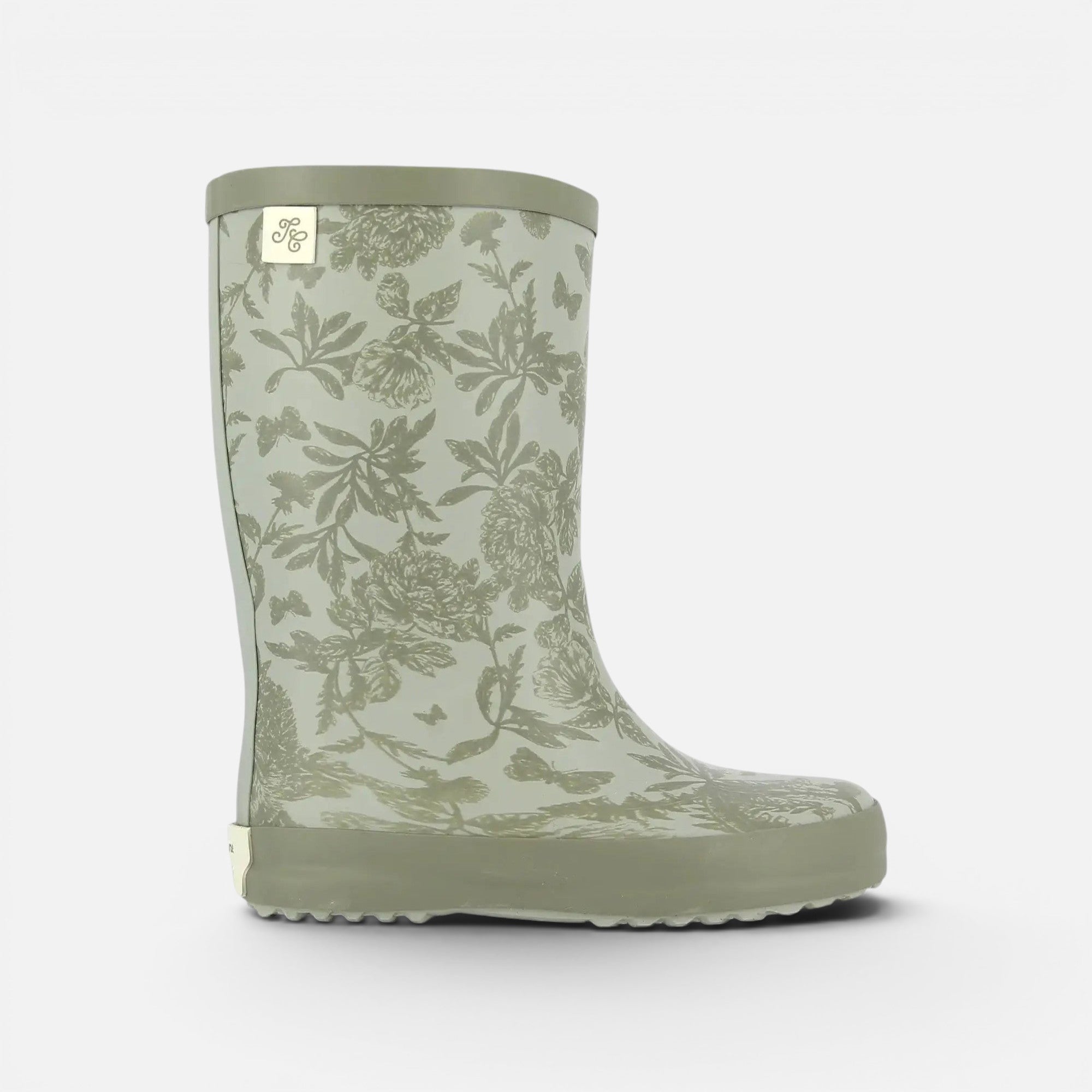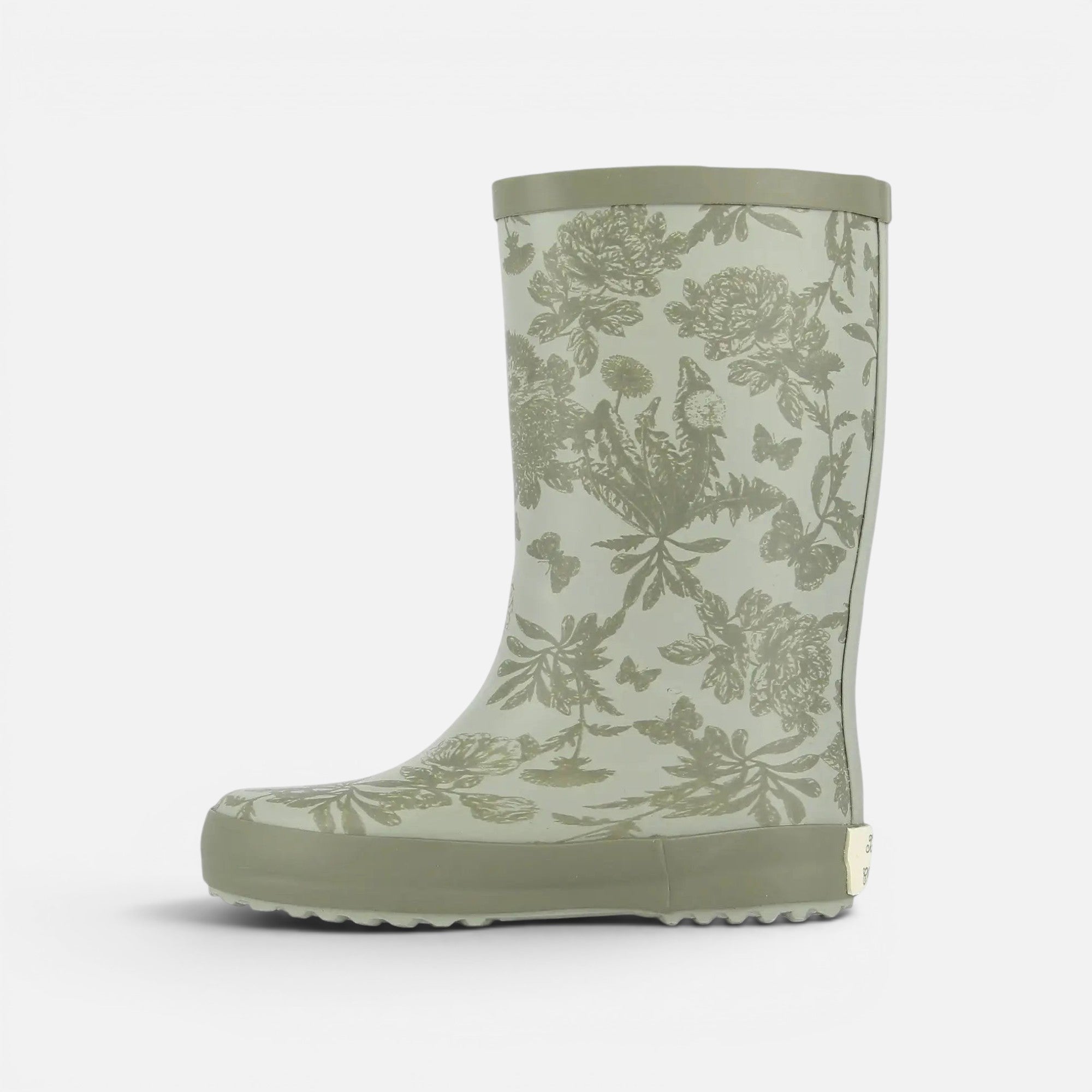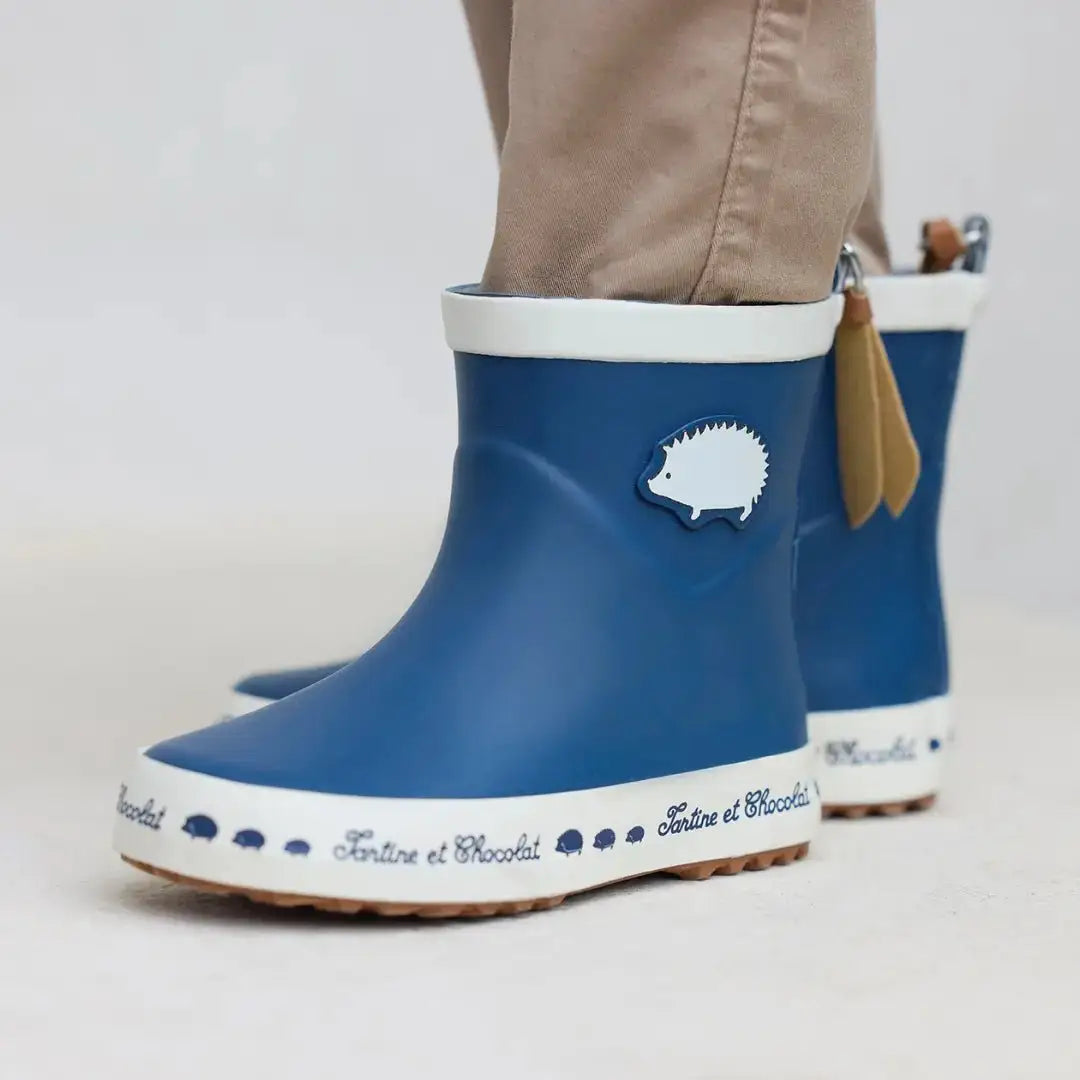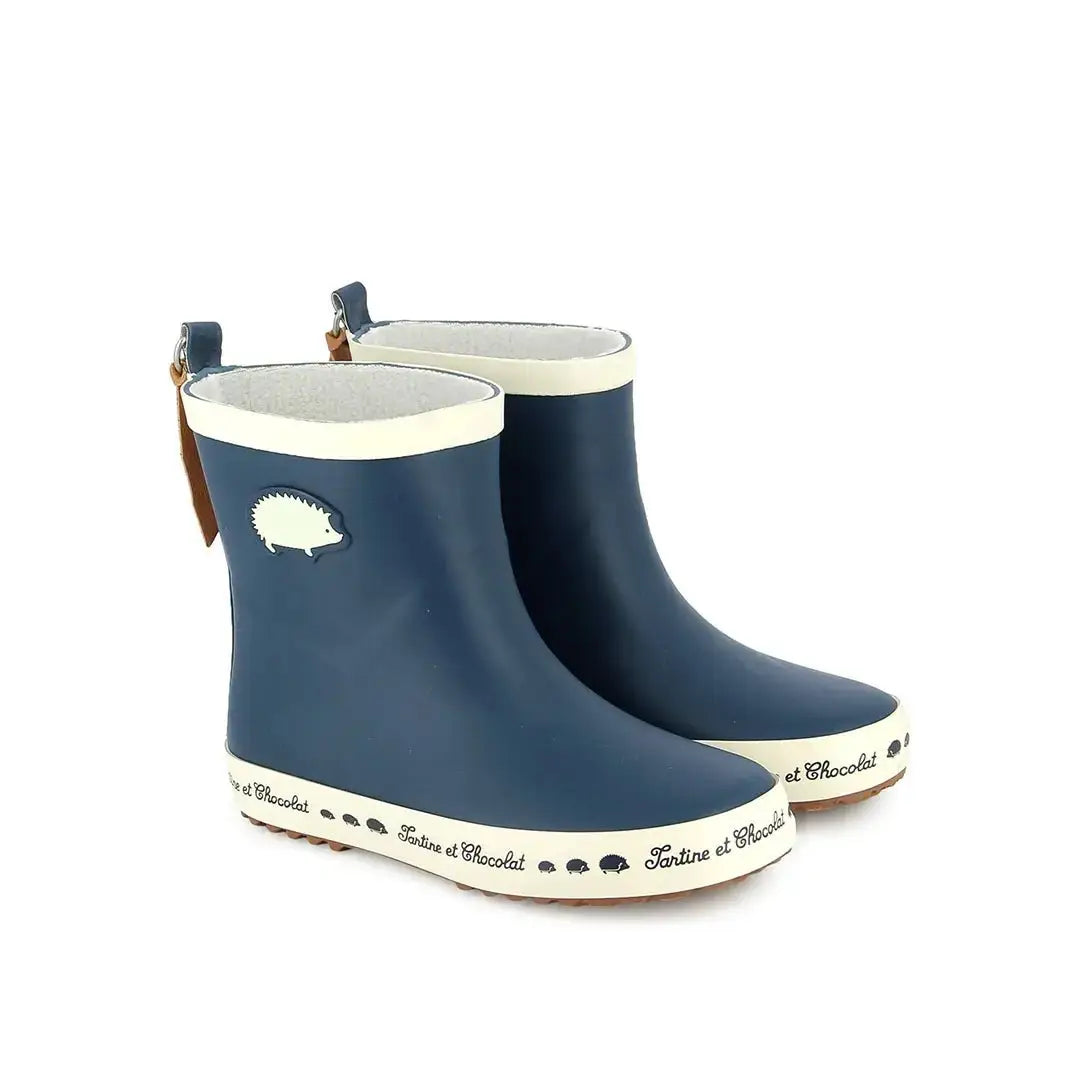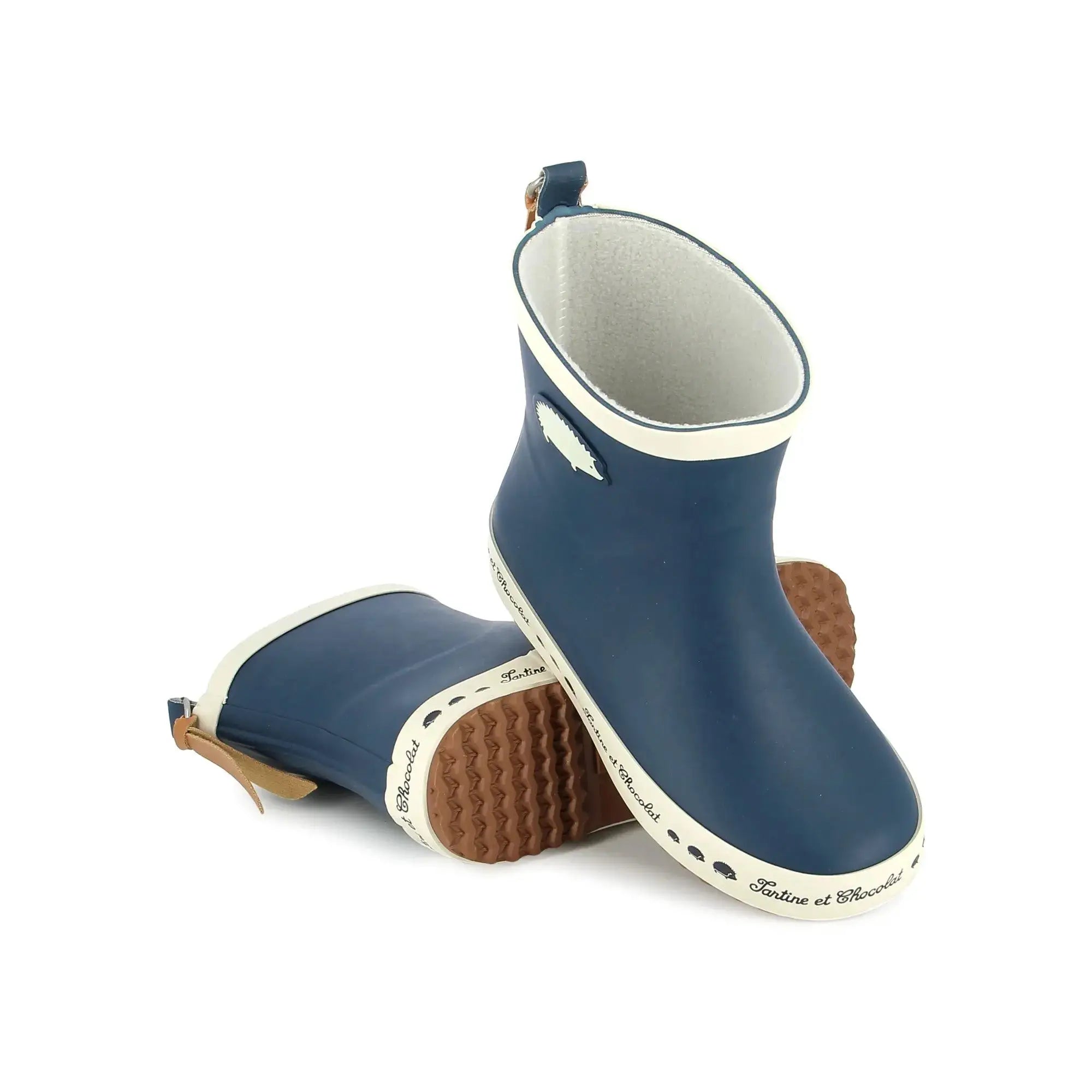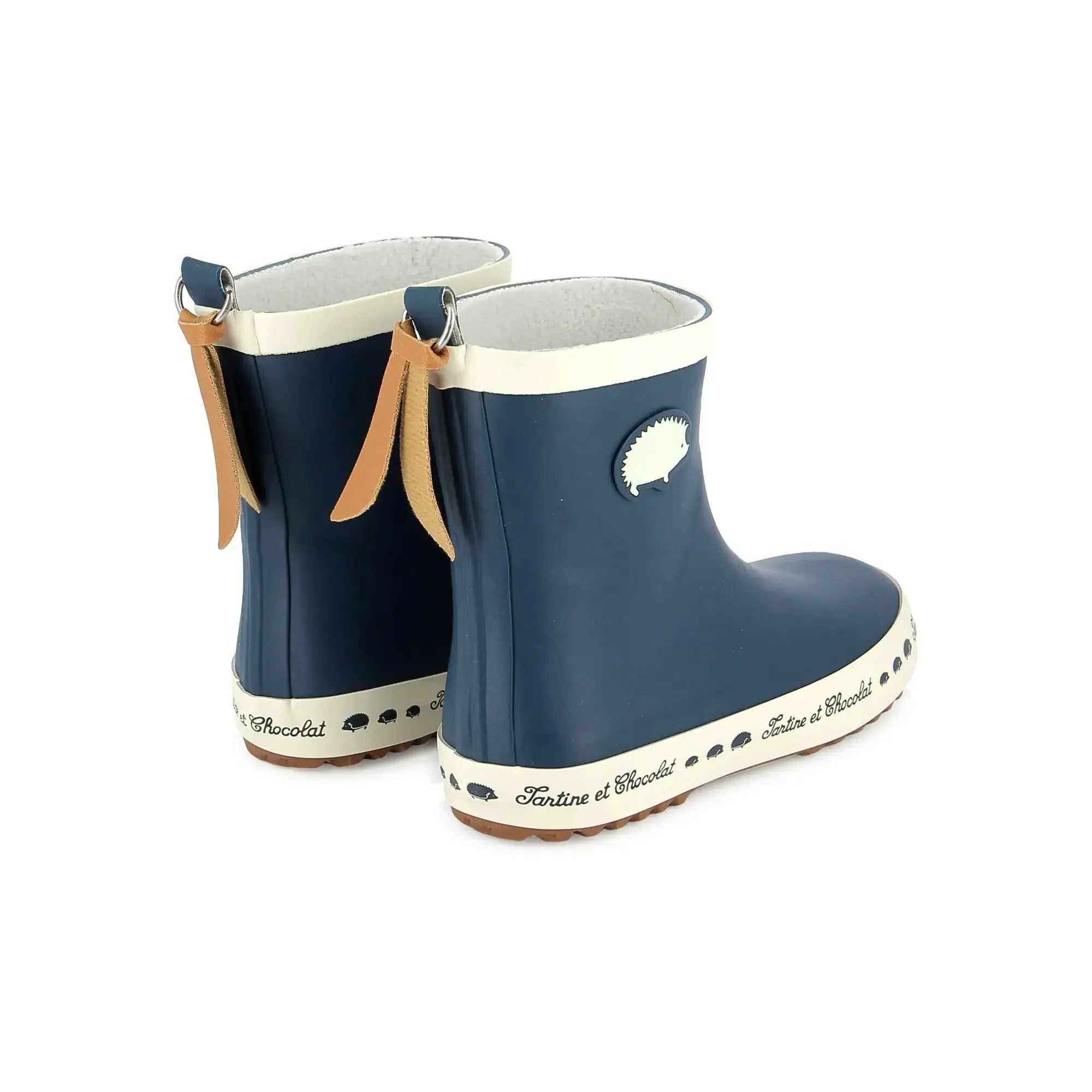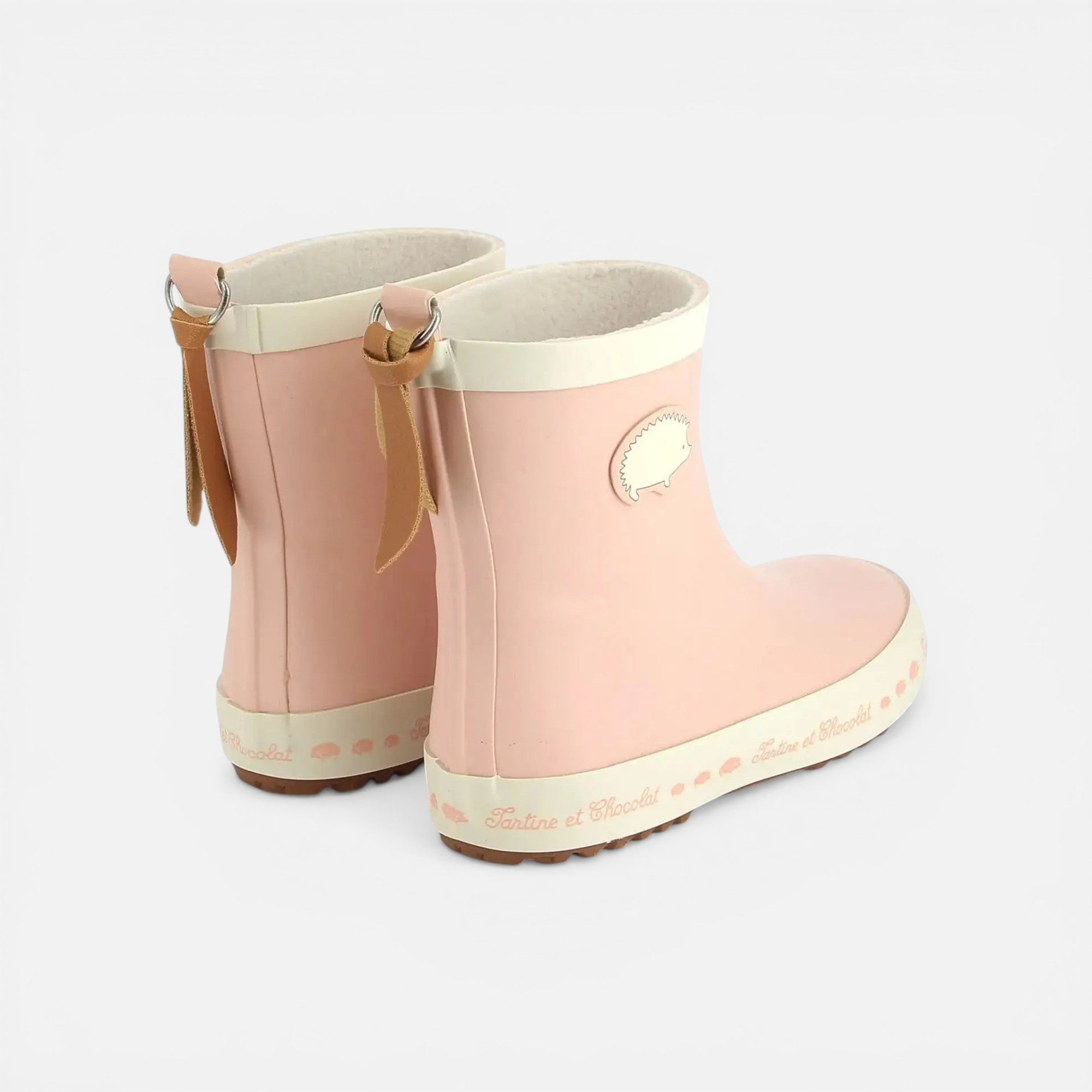
First-Step Shoes for Baby Girls and Boys
Patented technology Pom d'Api
The Anti-Twist© Process
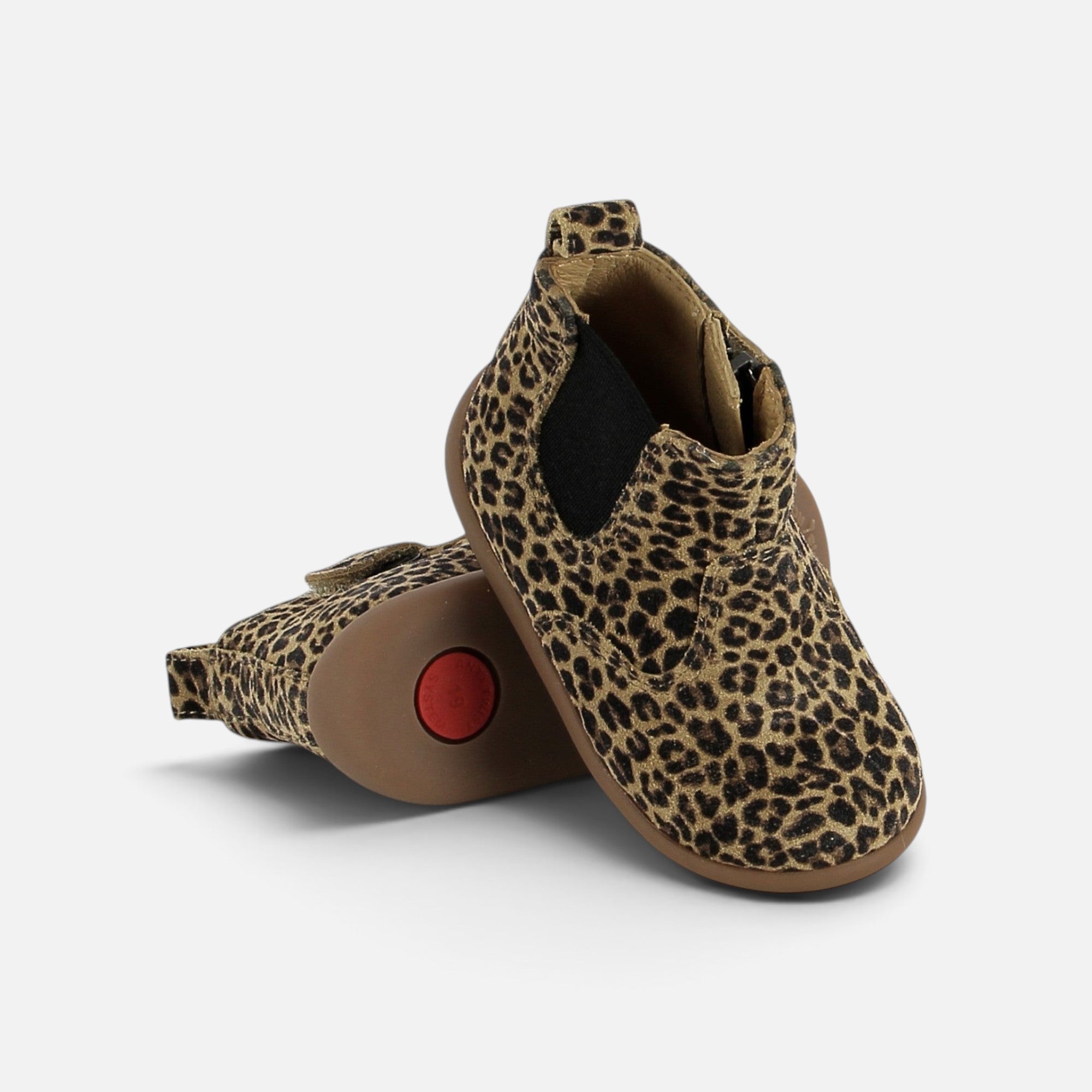
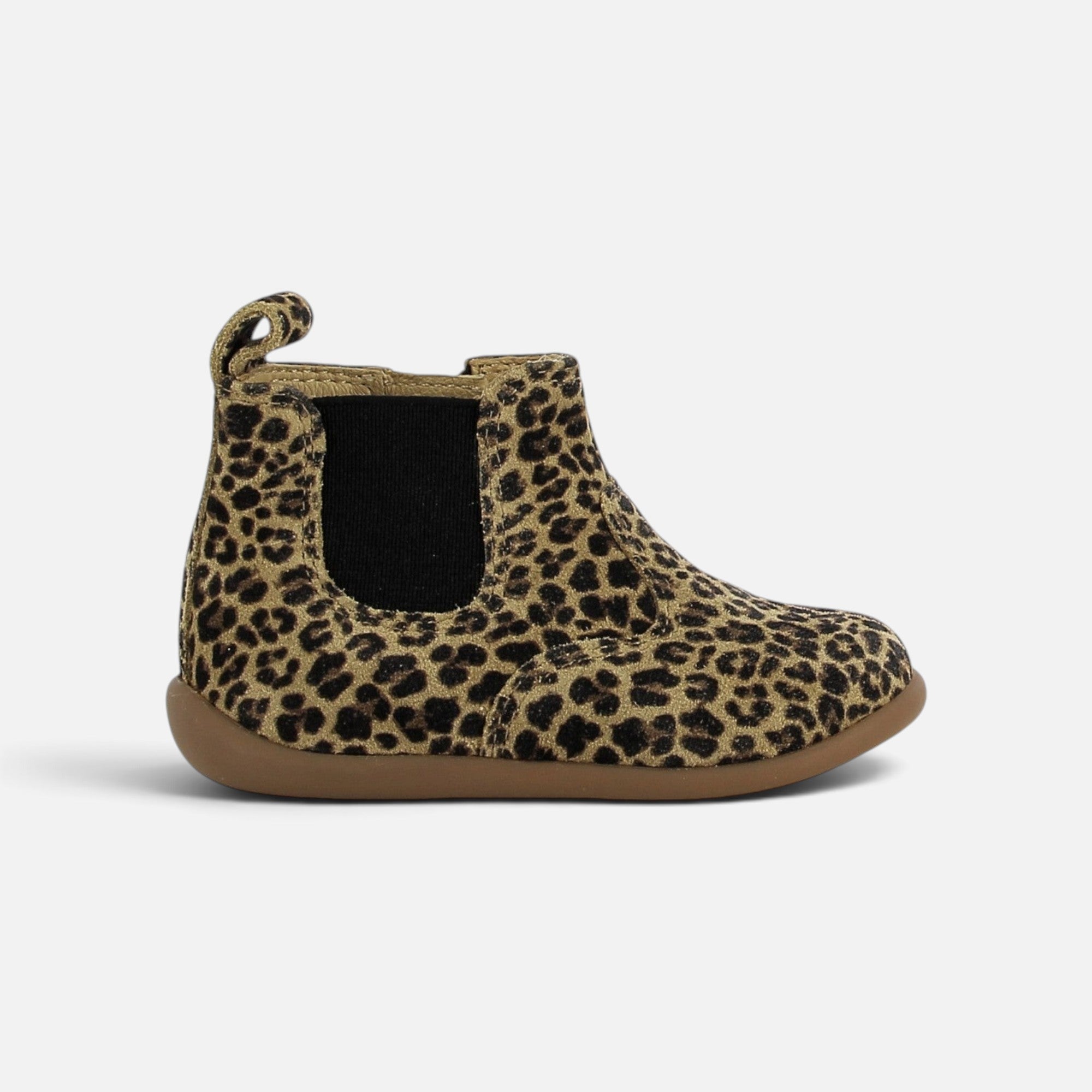
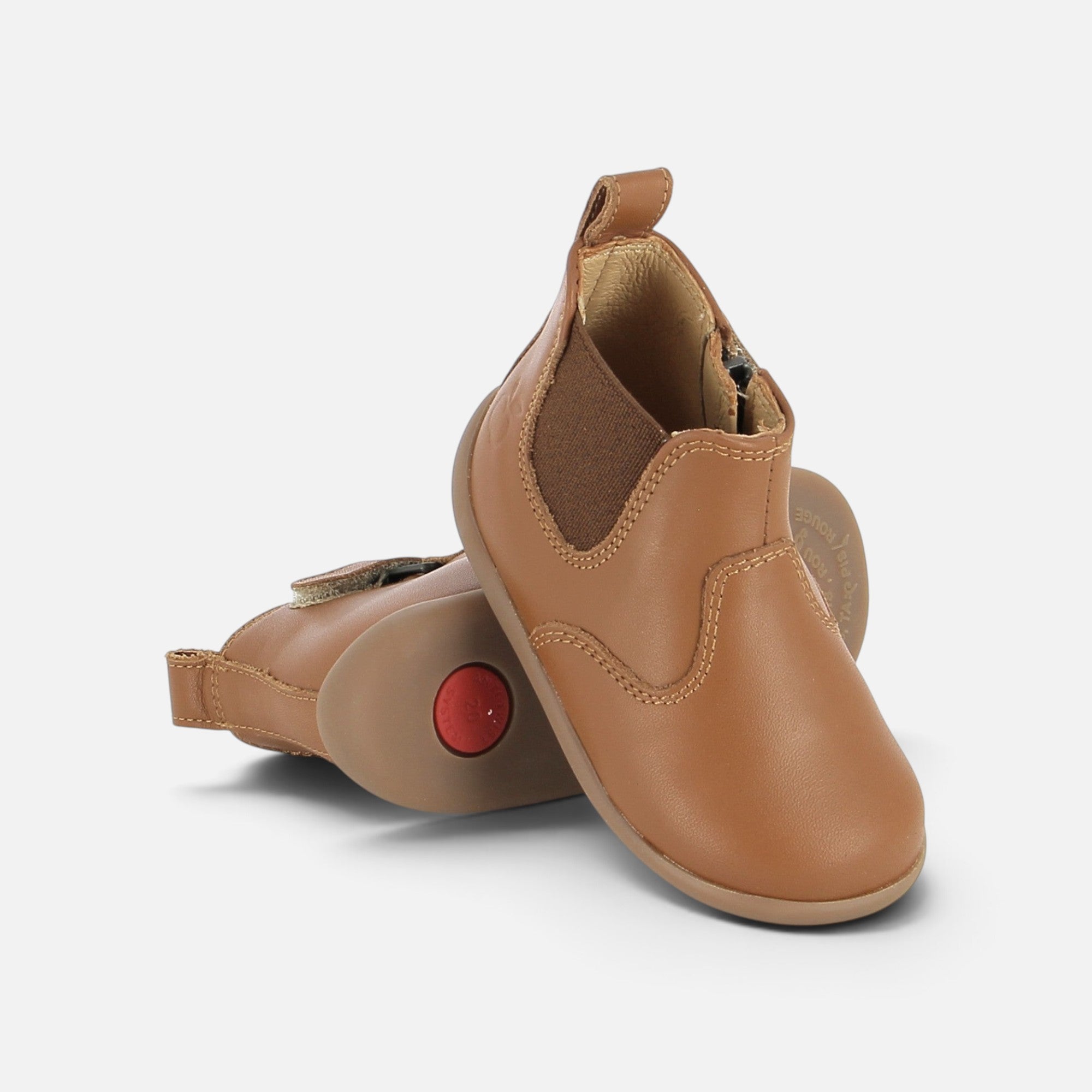
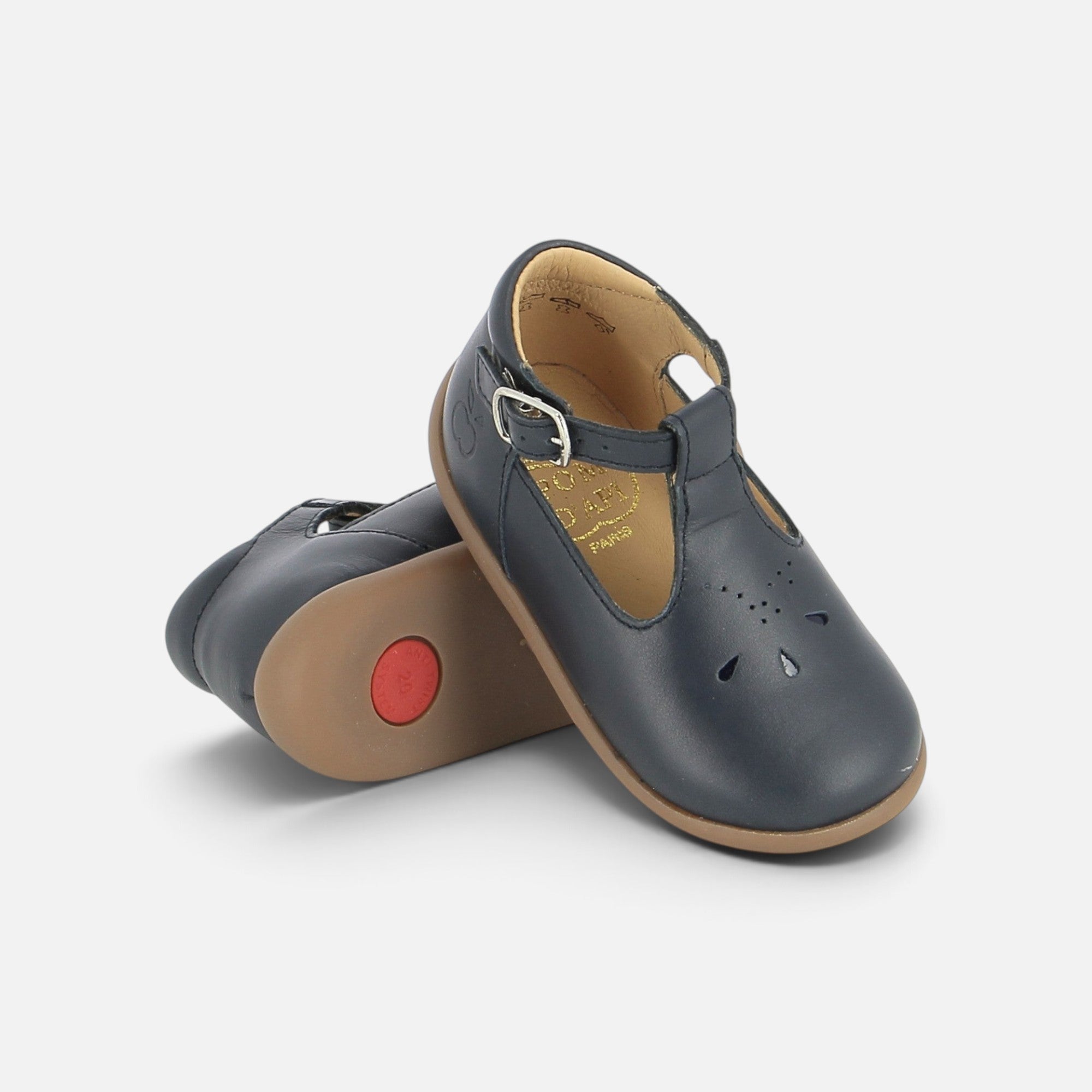
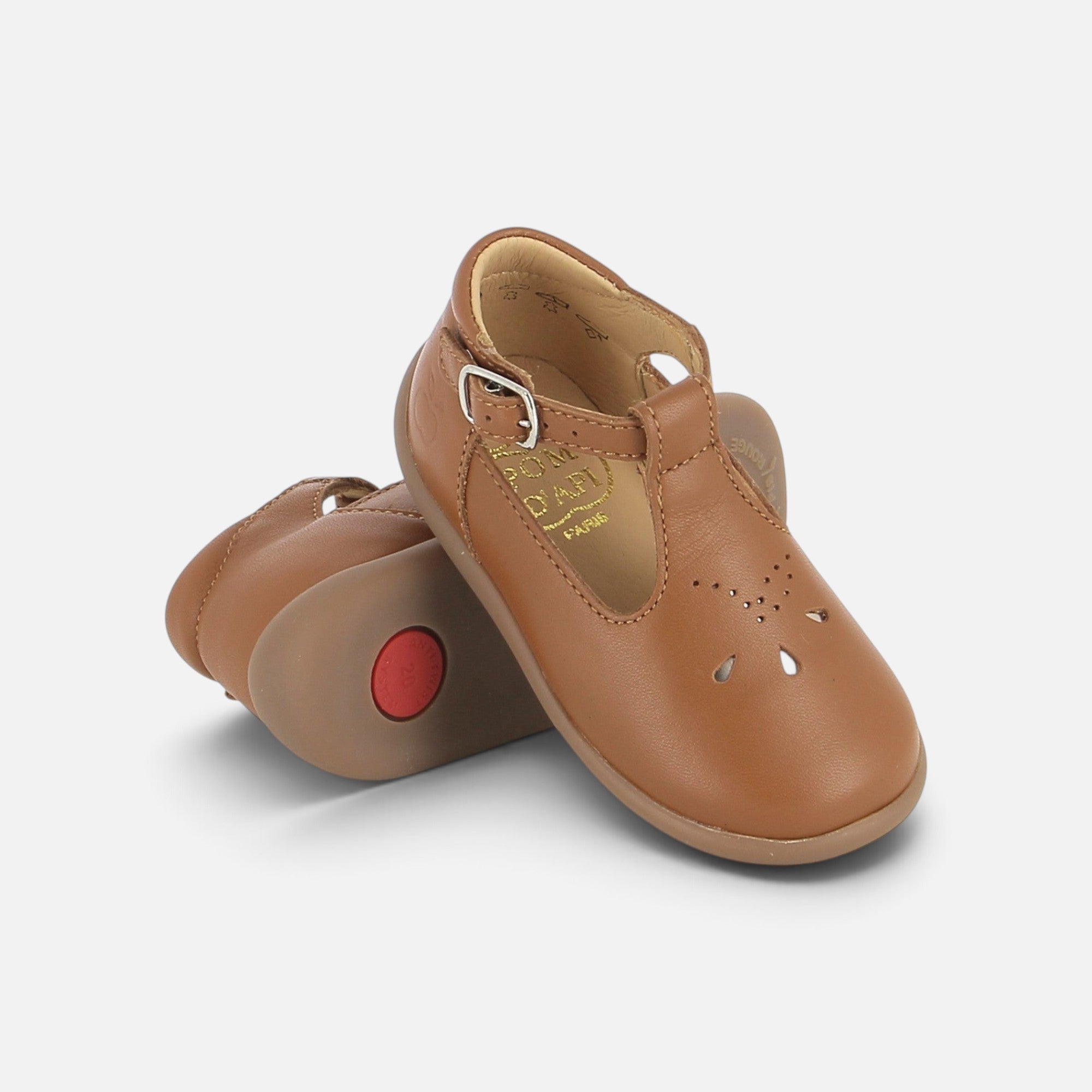
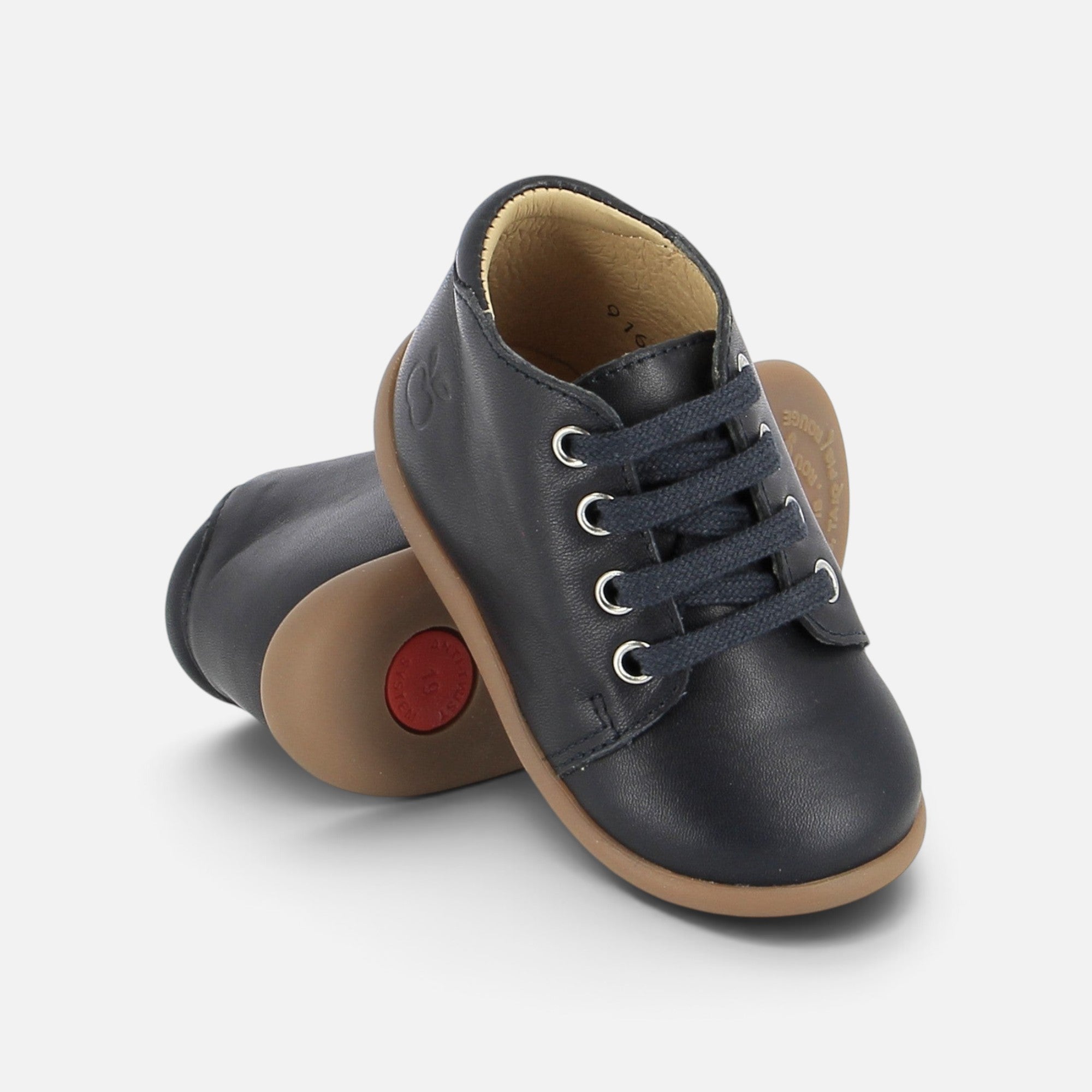
A sole featuring a heel shank. This reinforcement prevents any risk of twisting in the ankle and instep. This targeted support allows the front of the shoe to be very flexible, while providing slight support at the back. This model supports the natural movement with every step.


Patented technology Pom d'Api
The Anti-Twist© Process
A sole featuring a heel shank. This reinforcement prevents any risk of twisting in the ankle and instep. This targeted support allows the front of the shoe to be very flexible, while providing slight support at the back. This model supports the natural movement with every step.


Patented technology Pom d'Api
The Anti-Twist© Process
A sole featuring a heel shank. This reinforcement prevents any risk of twisting in the ankle and instep. This targeted support allows the front of the shoe to be very flexible, while providing slight support at the back. This model supports the natural movement with every step.
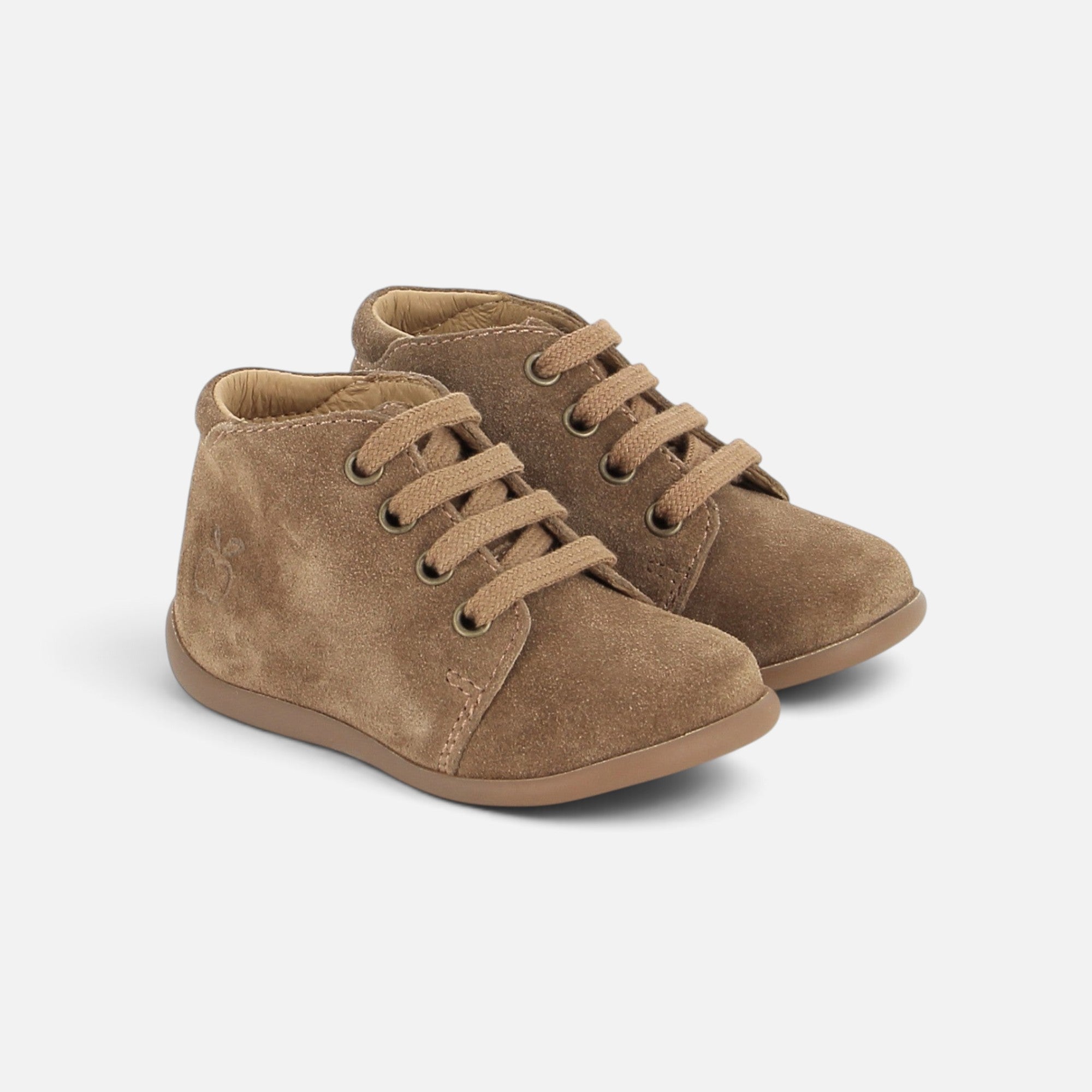
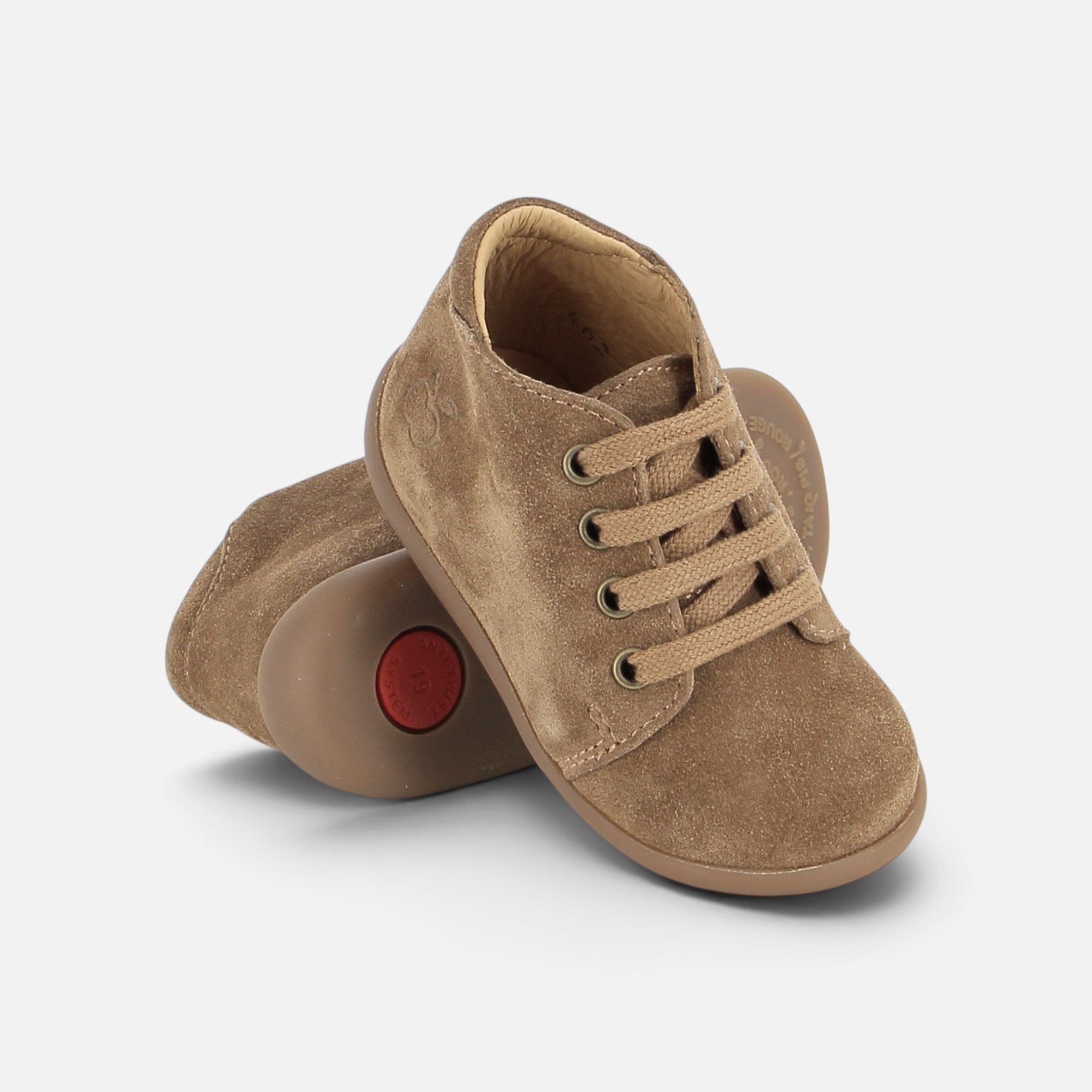
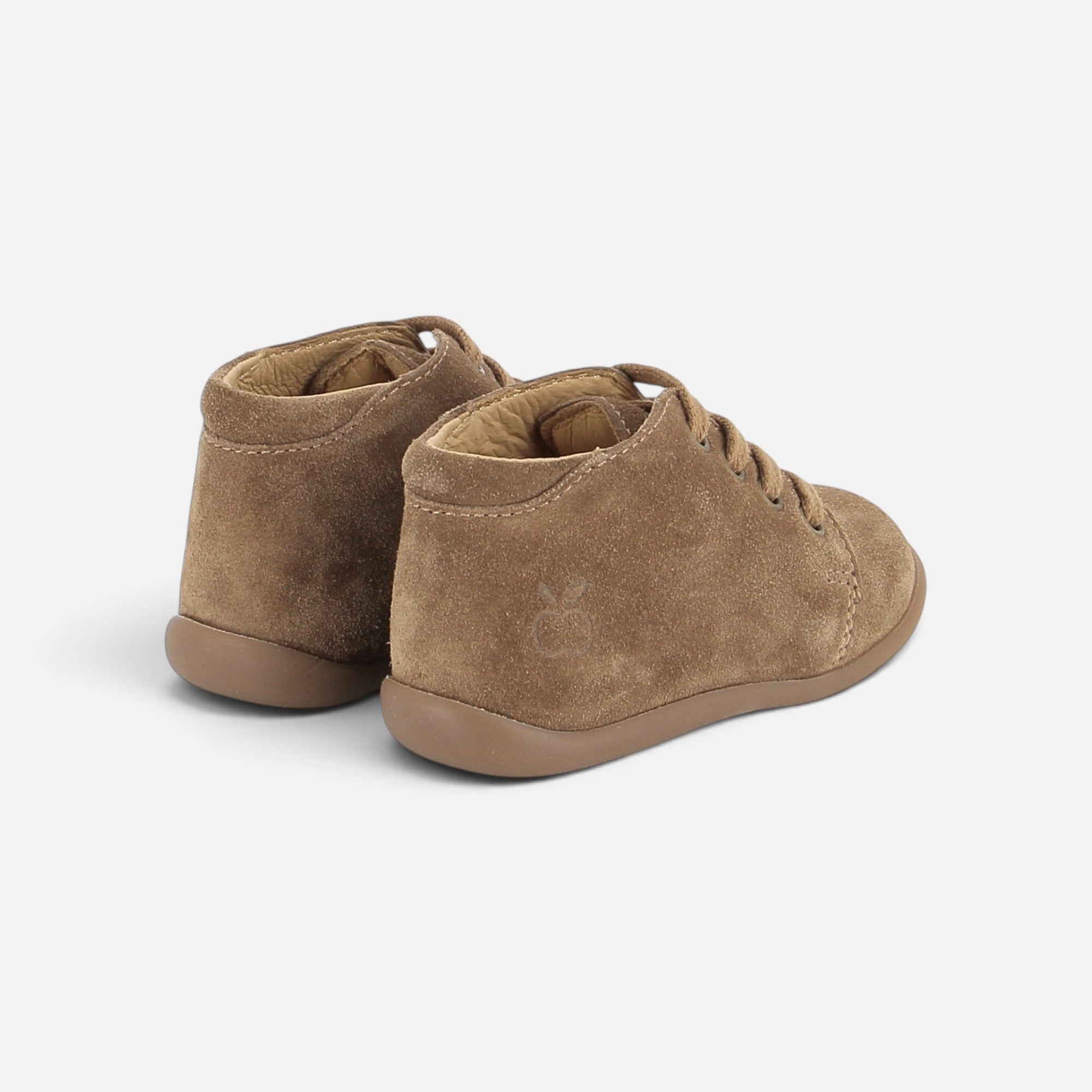
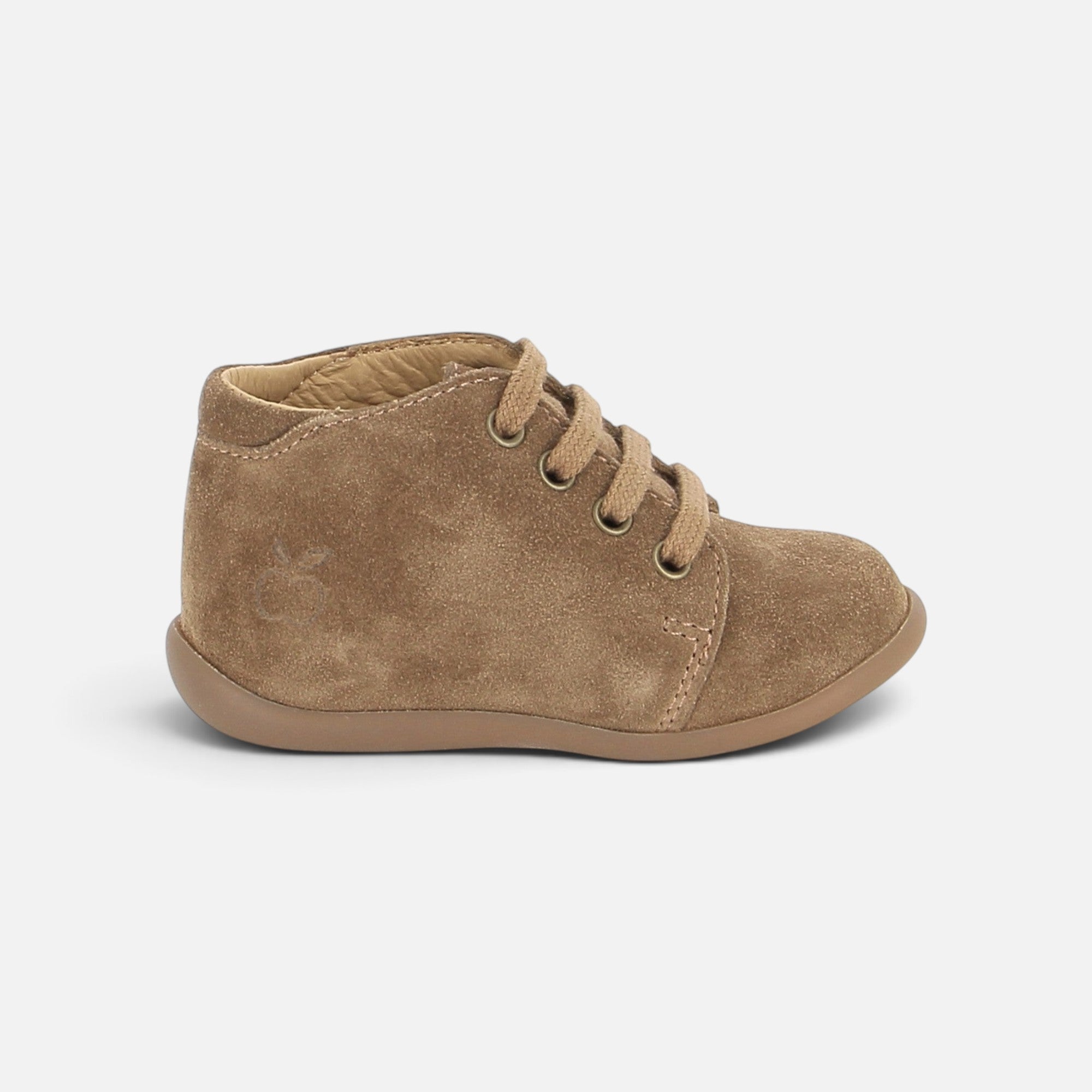
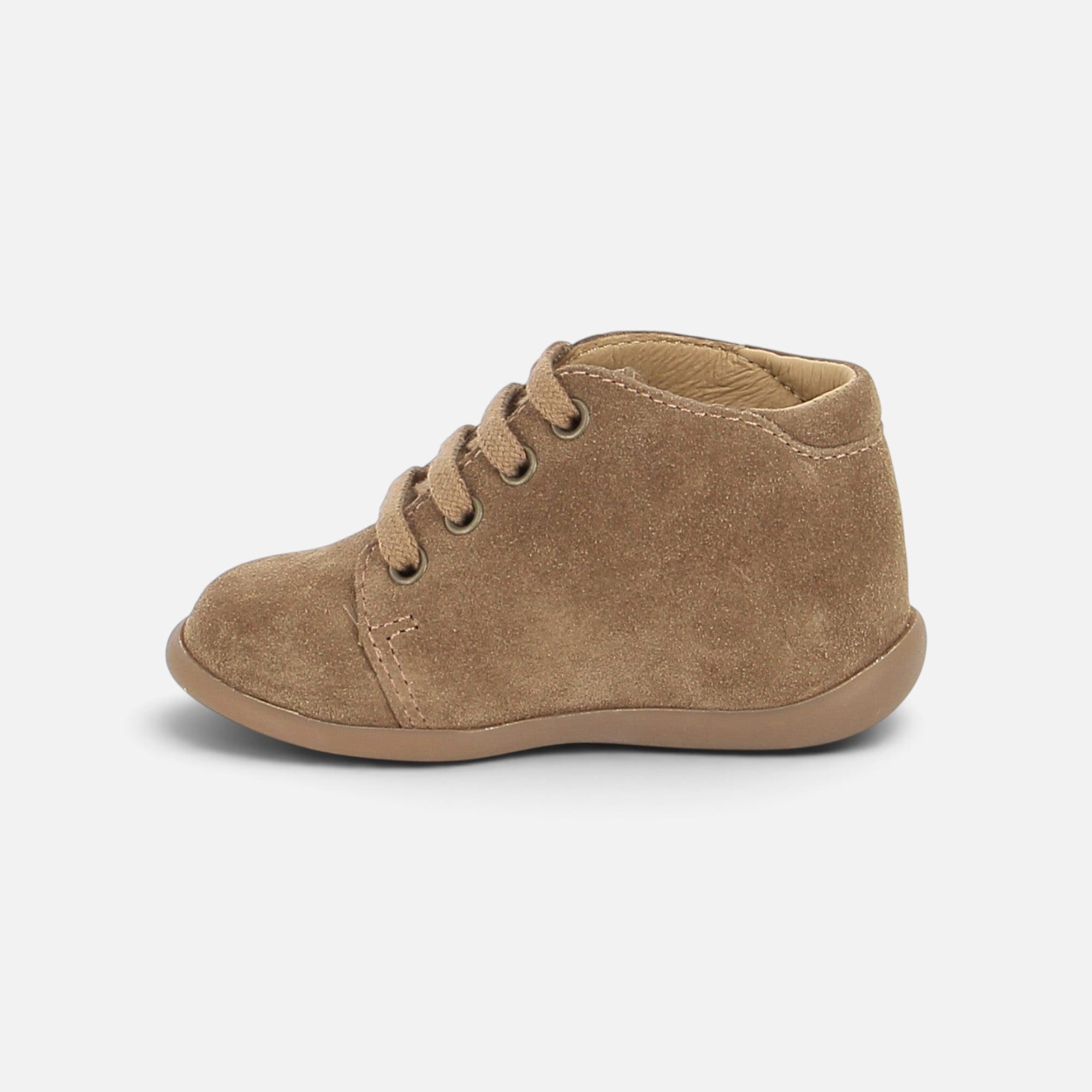
Patented technology Pom d'Api
The Anti-Twist© Process
A sole featuring a heel shank. This reinforcement prevents any risk of twisting in the ankle and instep. This targeted support allows the front of the shoe to be very flexible, while providing slight support at the back. This model supports the natural movement with every step.


Patented technology Pom d'Api
The Anti-Twist© Process
A sole featuring a heel shank. This reinforcement prevents any risk of twisting in the ankle and instep. This targeted support allows the front of the shoe to be very flexible, while providing slight support at the back. This model supports the natural movement with every step.


Patented technology Pom d'Api
The Anti-Twist© Process
A sole featuring a heel shank. This reinforcement prevents any risk of twisting in the ankle and instep. This targeted support allows the front of the shoe to be very flexible, while providing slight support at the back. This model supports the natural movement with every step.


Patented technology Pom d'Api
The Anti-Twist© Process
A sole featuring a heel shank. This reinforcement prevents any risk of twisting in the ankle and instep. This targeted support allows the front of the shoe to be very flexible, while providing slight support at the back. This model supports the natural movement with every step.
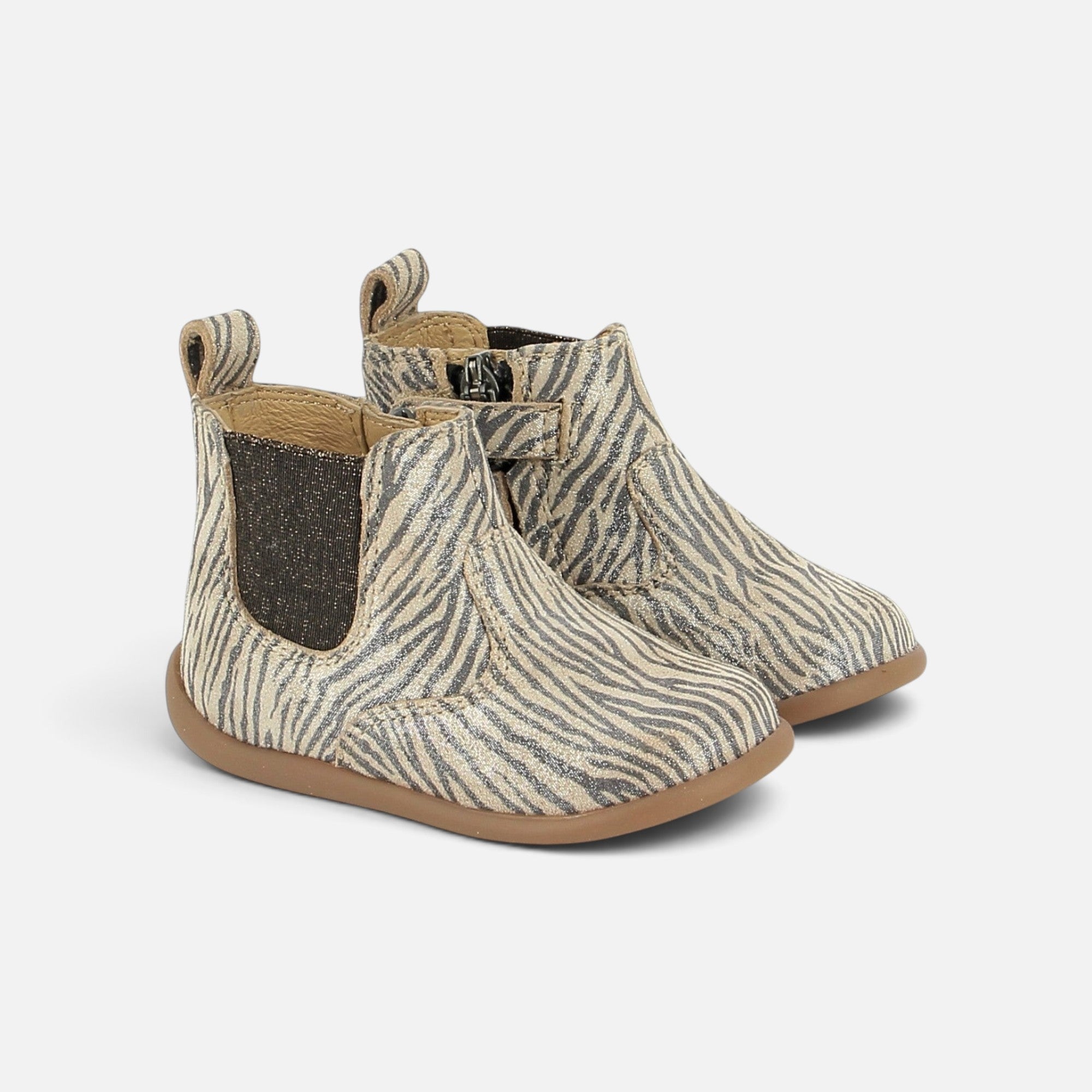
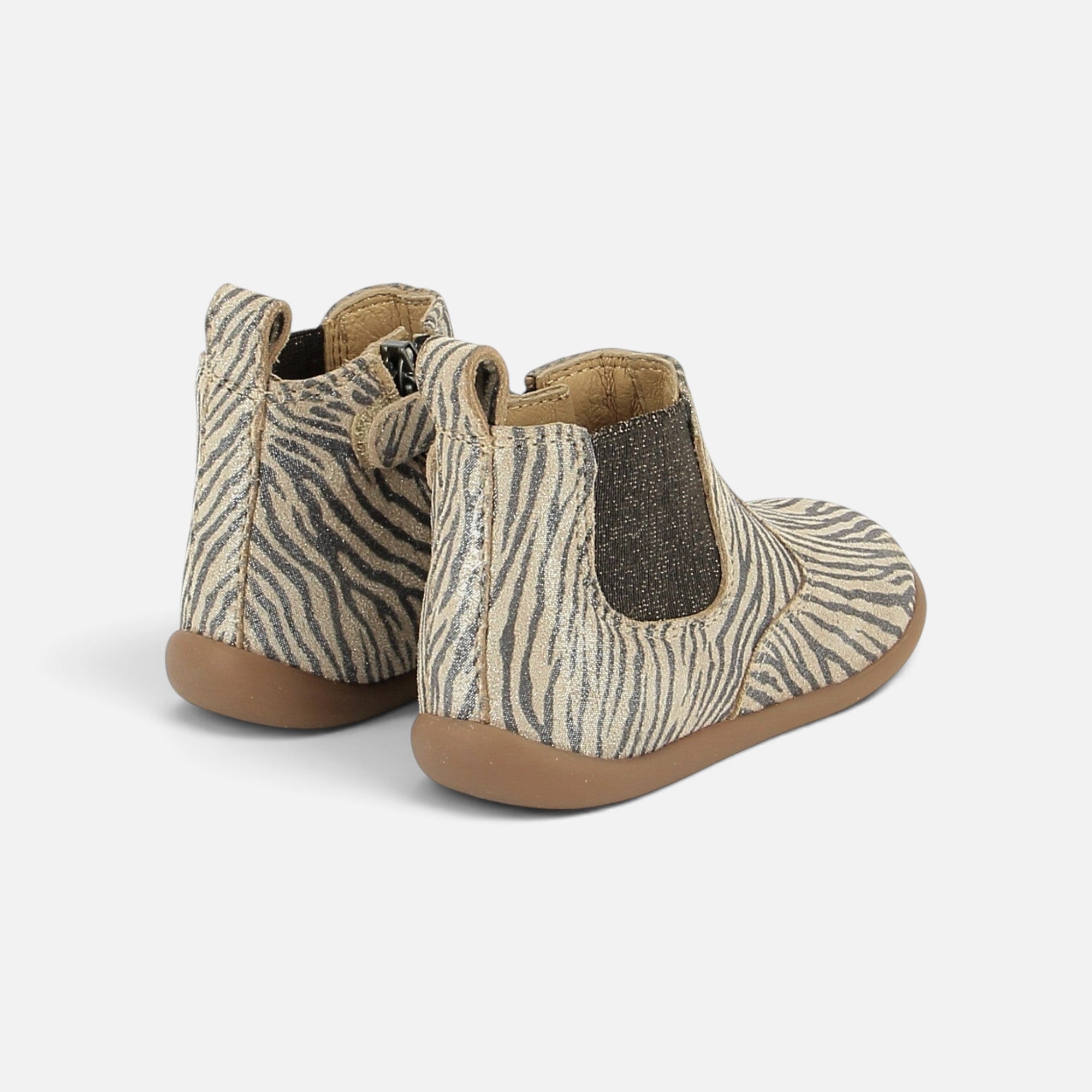
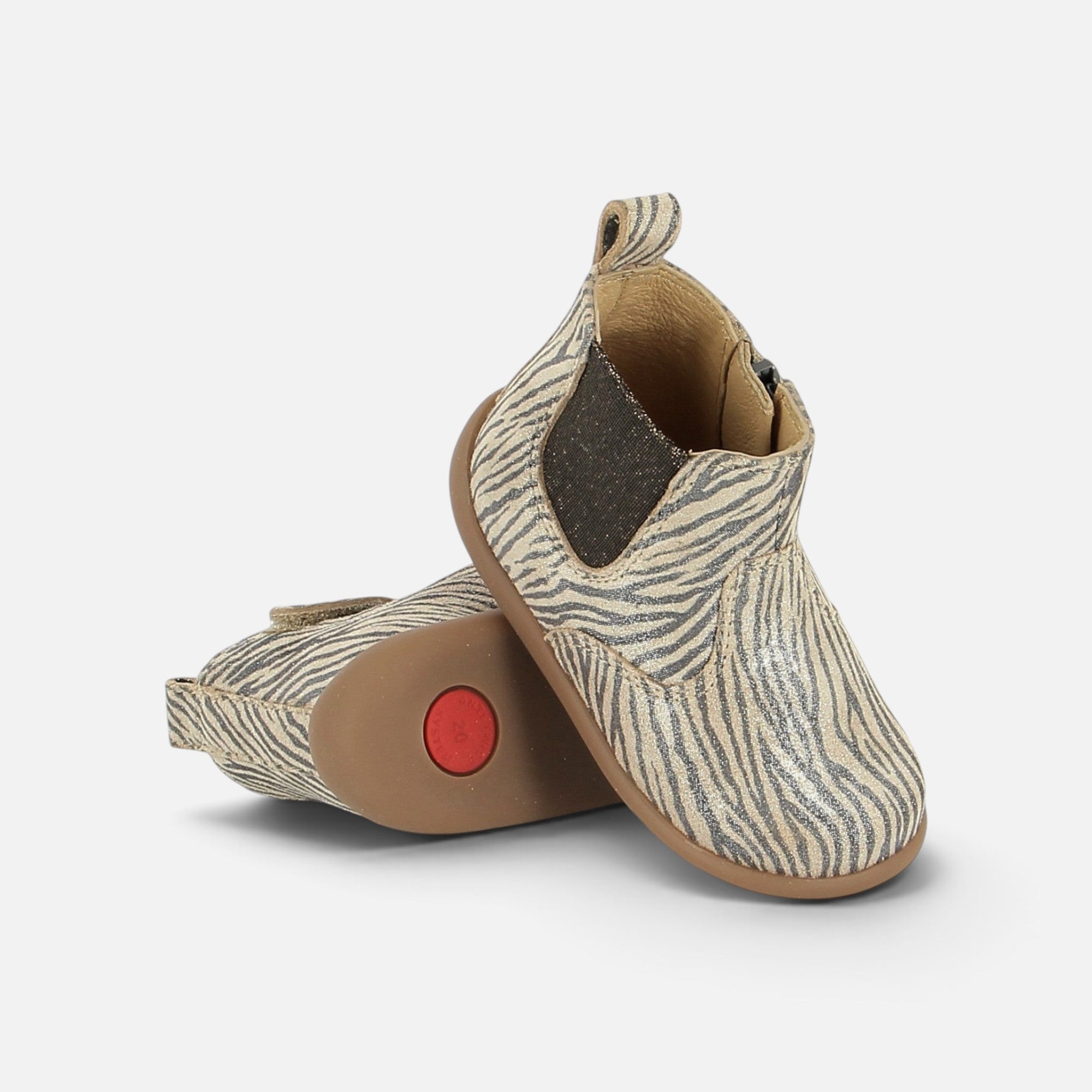
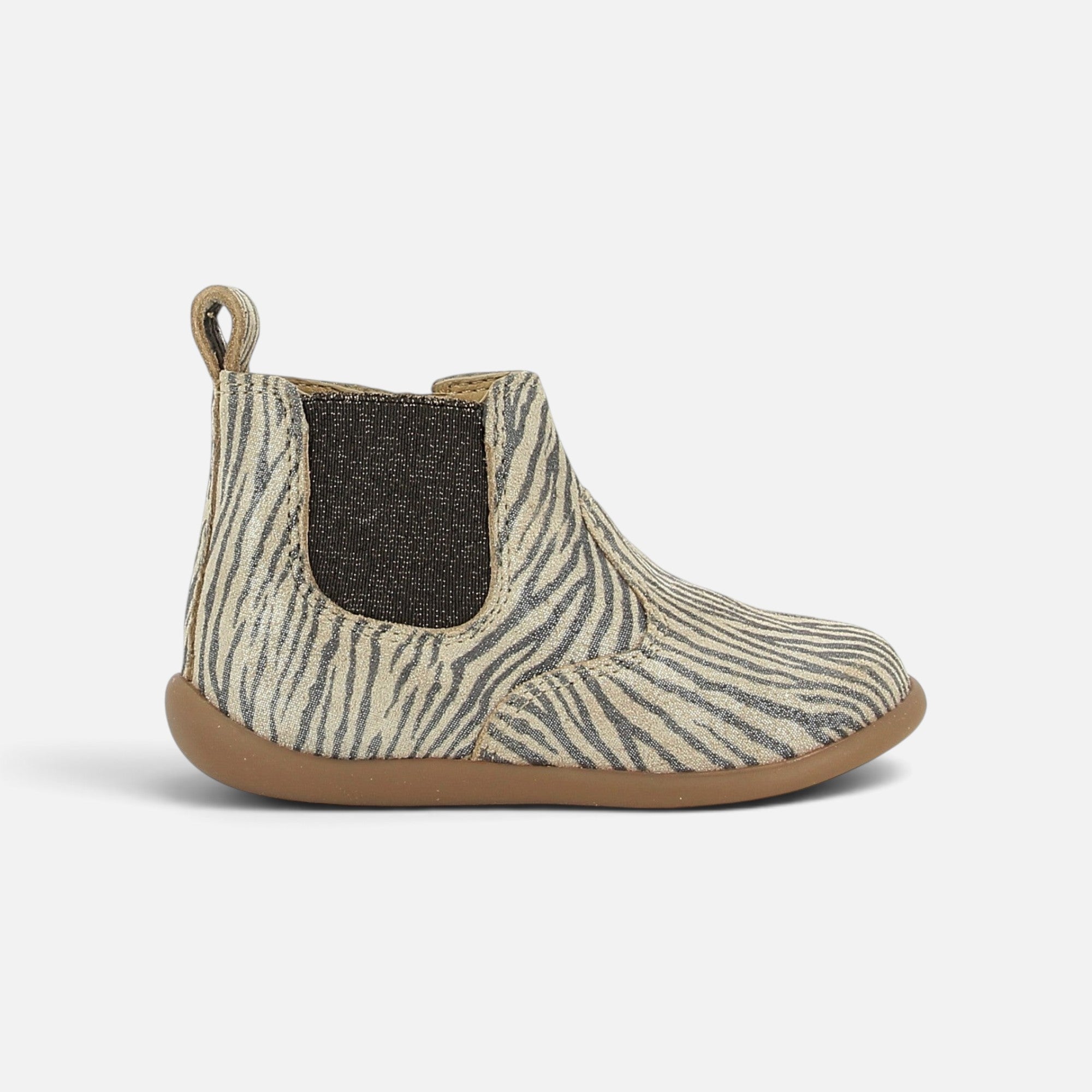
Patented technology Pom d'Api
The Anti-Twist© Process
A sole featuring a heel shank. This reinforcement prevents any risk of twisting in the ankle and instep. This targeted support allows the front of the shoe to be very flexible, while providing slight support at the back. This model supports the natural movement with every step.
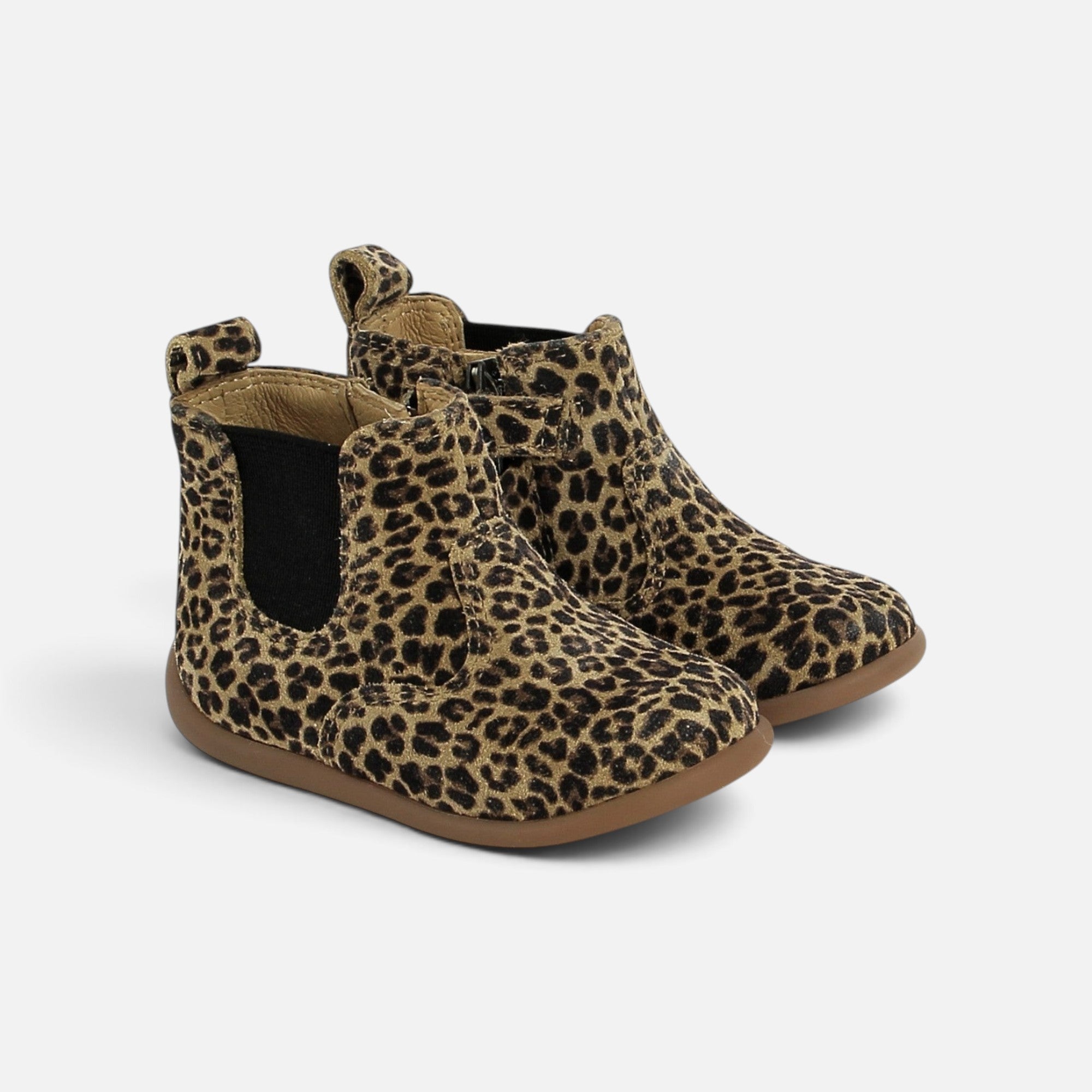
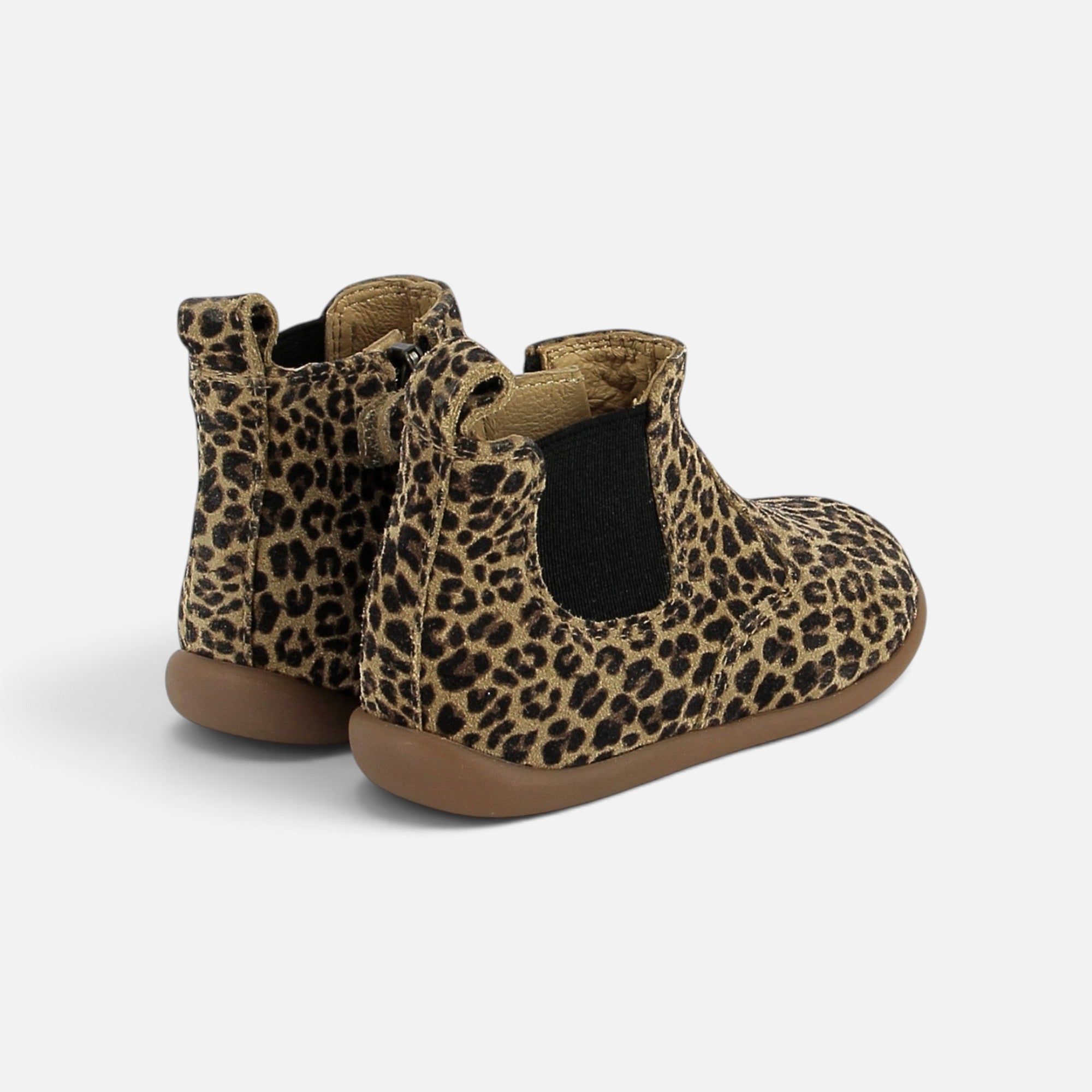
Patented technology Pom d'Api
The Anti-Twist© Process
A sole featuring a heel shank. This reinforcement prevents any risk of twisting in the ankle and instep. This targeted support allows the front of the shoe to be very flexible, while providing slight support at the back. This model supports the natural movement with every step.


Patented technology Pom d'Api
The Anti-Twist© Process
A sole featuring a heel shank. This reinforcement prevents any risk of twisting in the ankle and instep. This targeted support allows the front of the shoe to be very flexible, while providing slight support at the back. This model supports the natural movement with every step.


Patented technology Pom d'Api
The Anti-Twist© Process
A sole featuring a heel shank. This reinforcement prevents any risk of twisting in the ankle and instep. This targeted support allows the front of the shoe to be very flexible, while providing slight support at the back. This model supports the natural movement with every step.
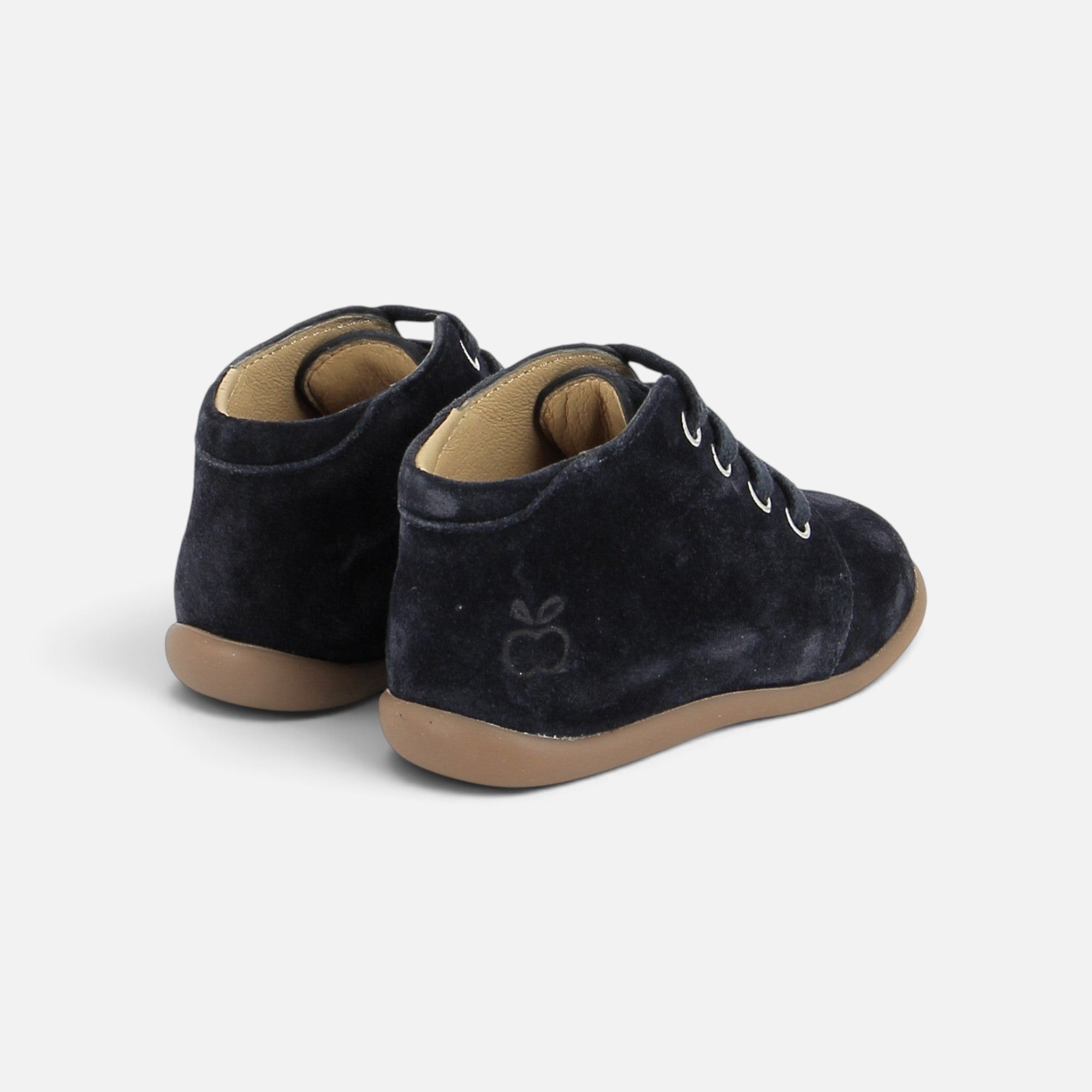
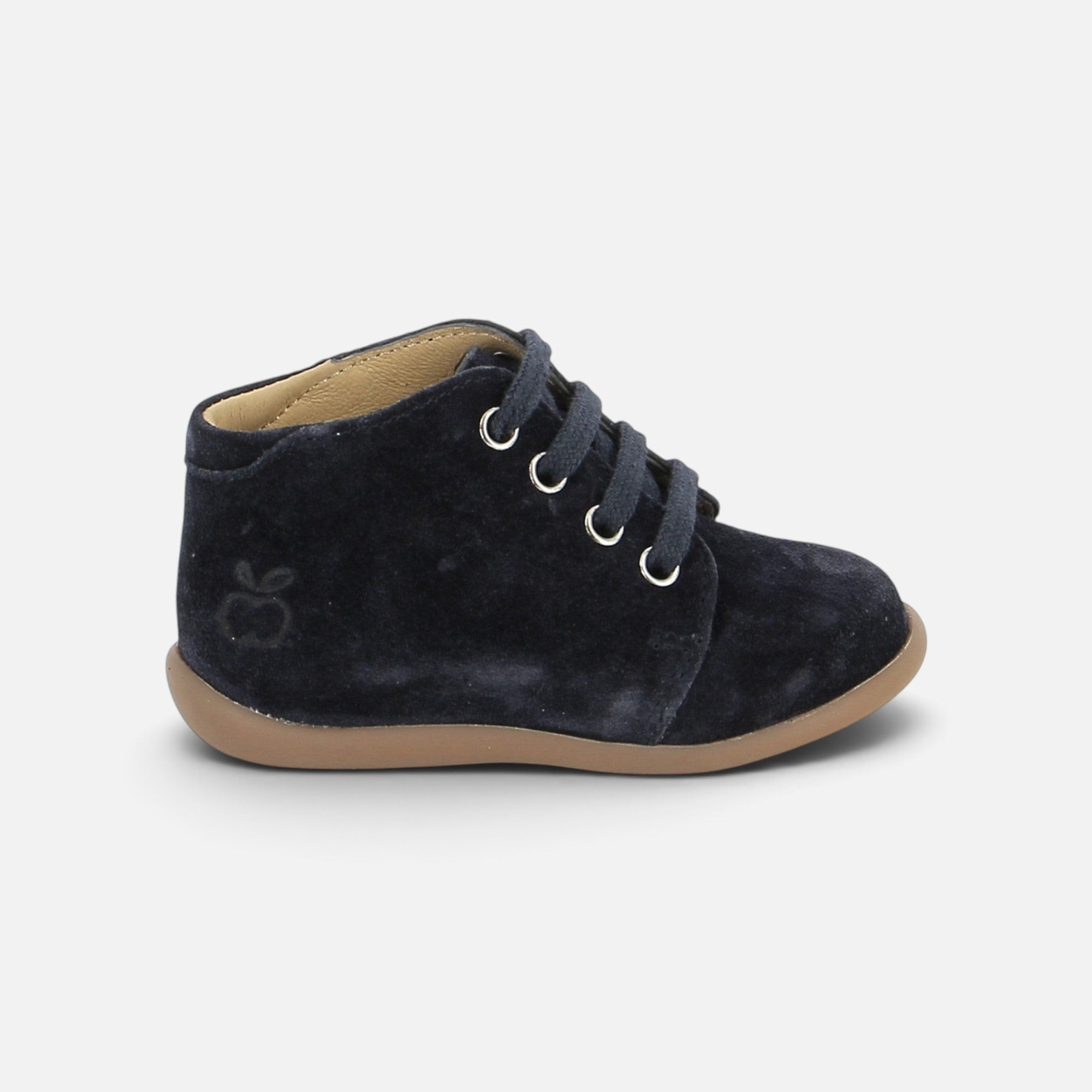
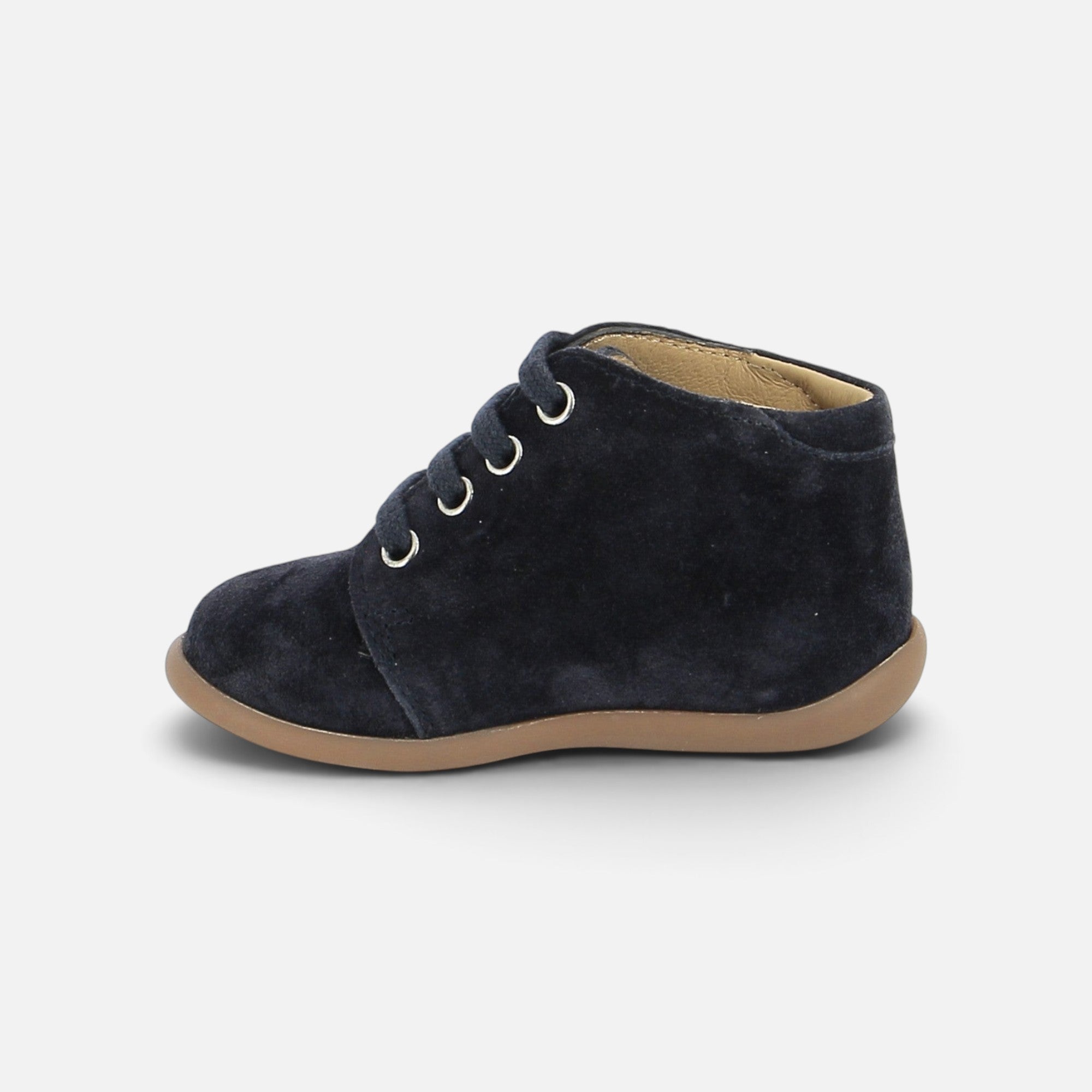
Patented technology Pom d'Api
The Anti-Twist© Process
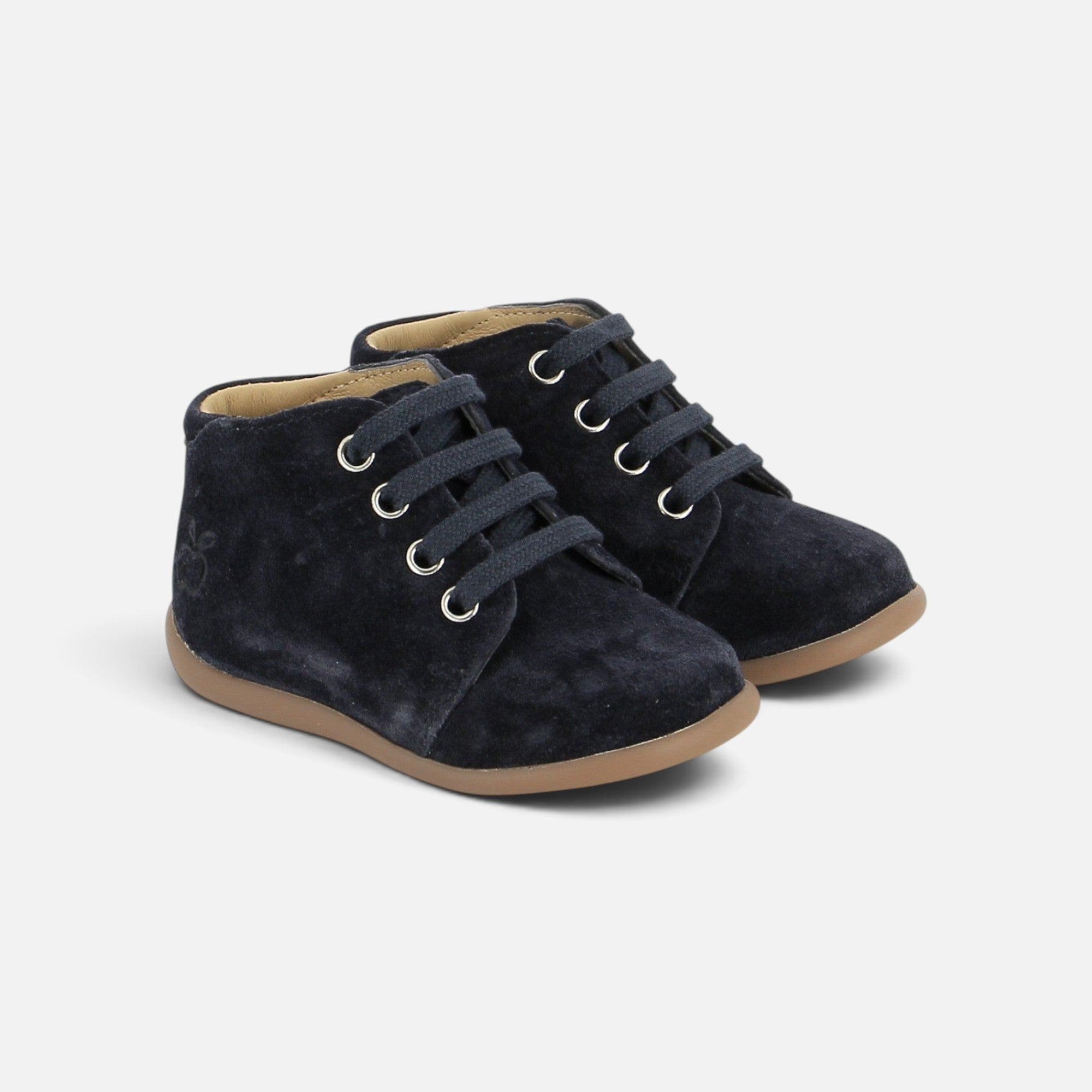
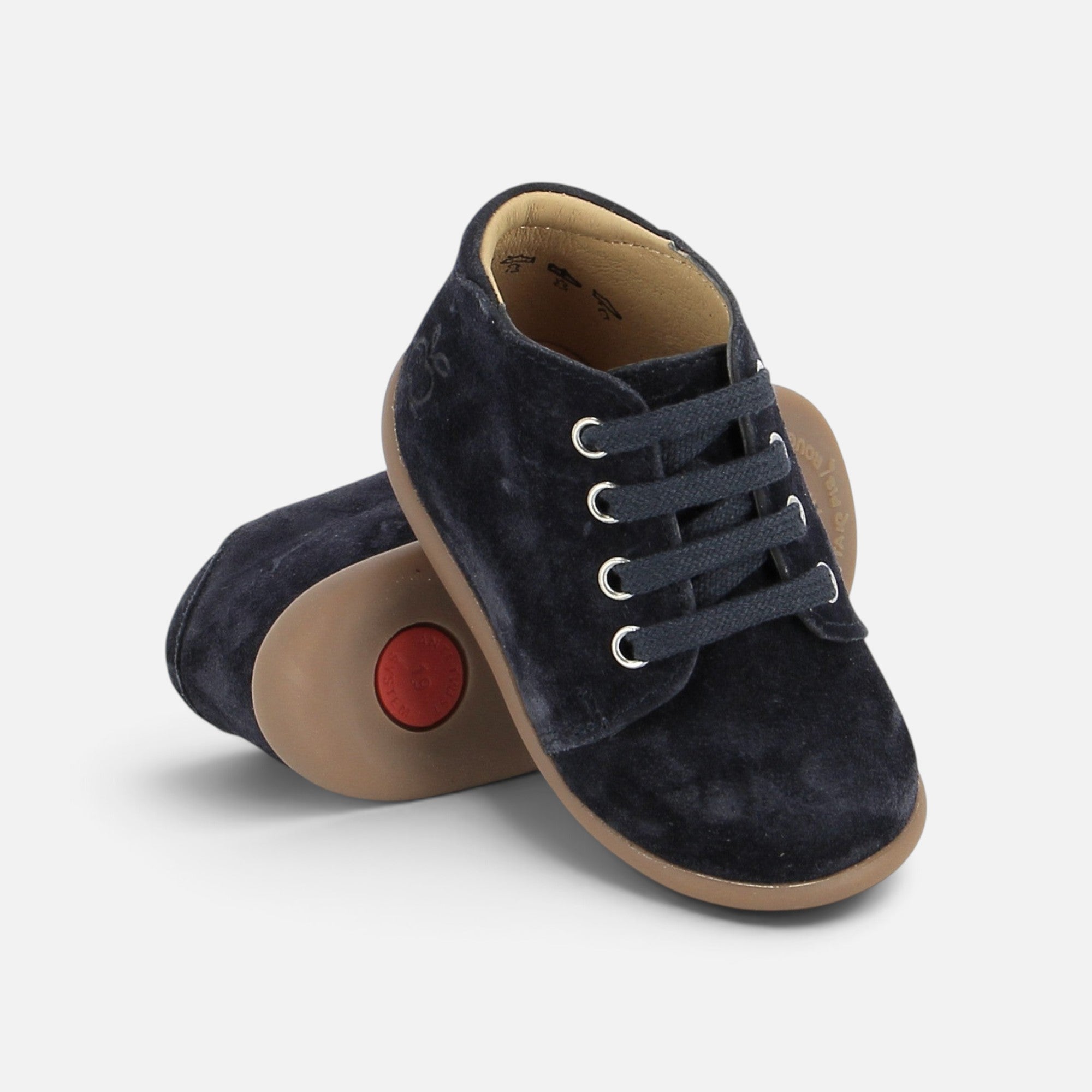
A sole featuring a heel shank. This reinforcement prevents any risk of twisting in the ankle and instep. This targeted support allows the front of the shoe to be very flexible, while providing slight support at the back. This model supports the natural movement with every step.
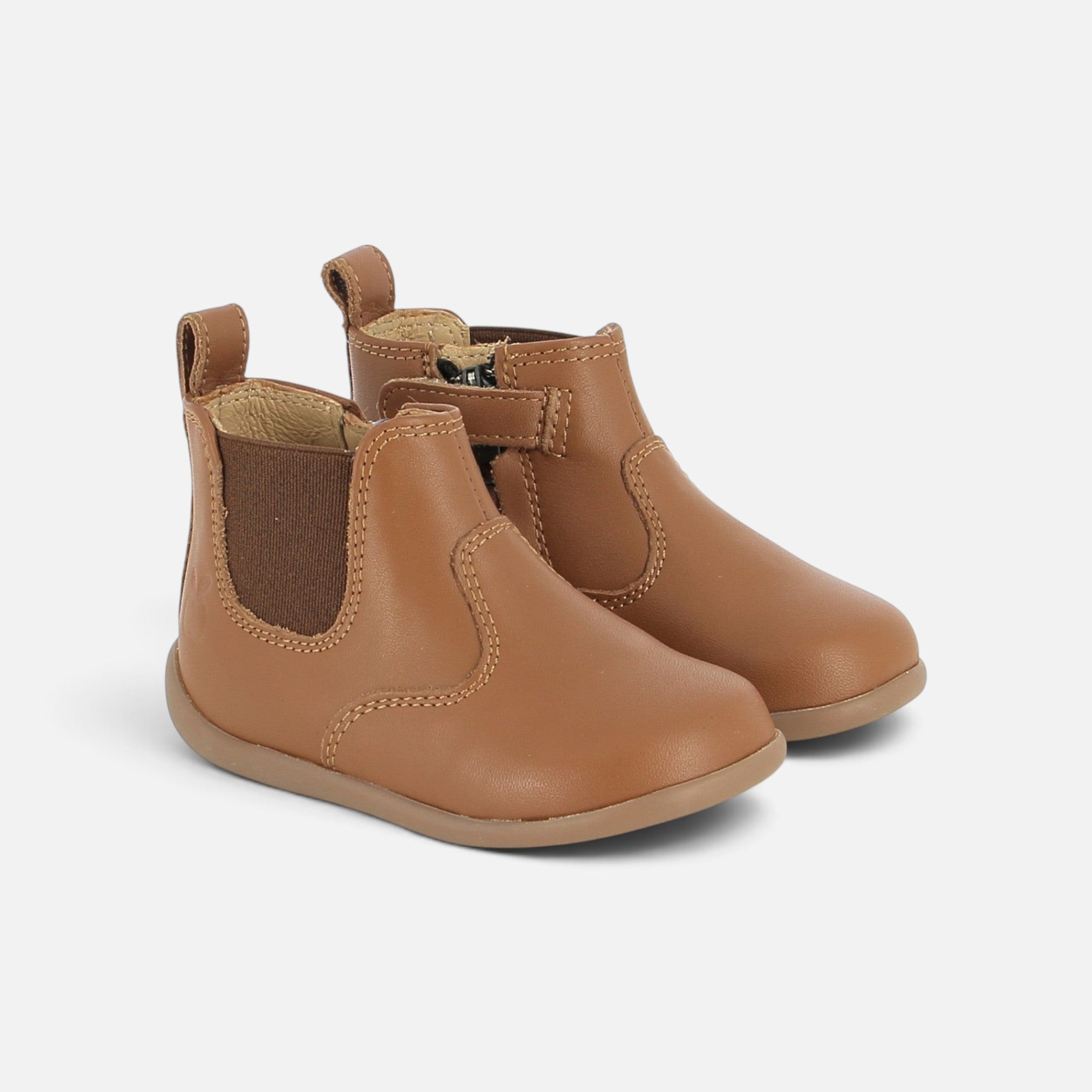
Patented technology Pom d'Api
The Anti-Twist© Process
A sole featuring a heel shank. This reinforcement prevents any risk of twisting in the ankle and instep. This targeted support allows the front of the shoe to be very flexible, while providing slight support at the back. This model supports the natural movement with every step.
Patented technology Pom d'Api
The Anti-Twist© Process
A sole featuring a heel shank. This reinforcement prevents any risk of twisting in the ankle and instep. This targeted support allows the front of the shoe to be very flexible, while providing slight support at the back. This model supports the natural movement with every step.
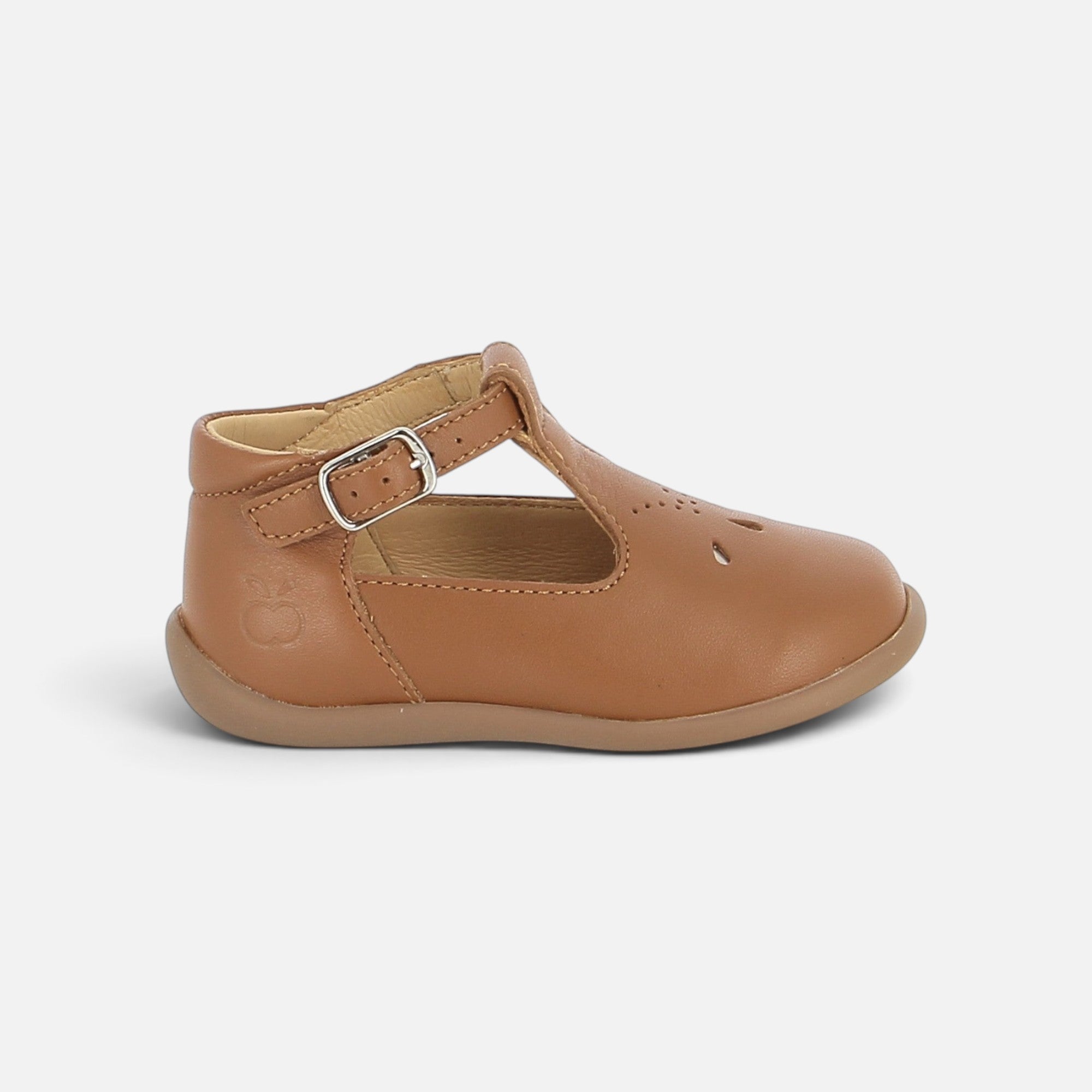
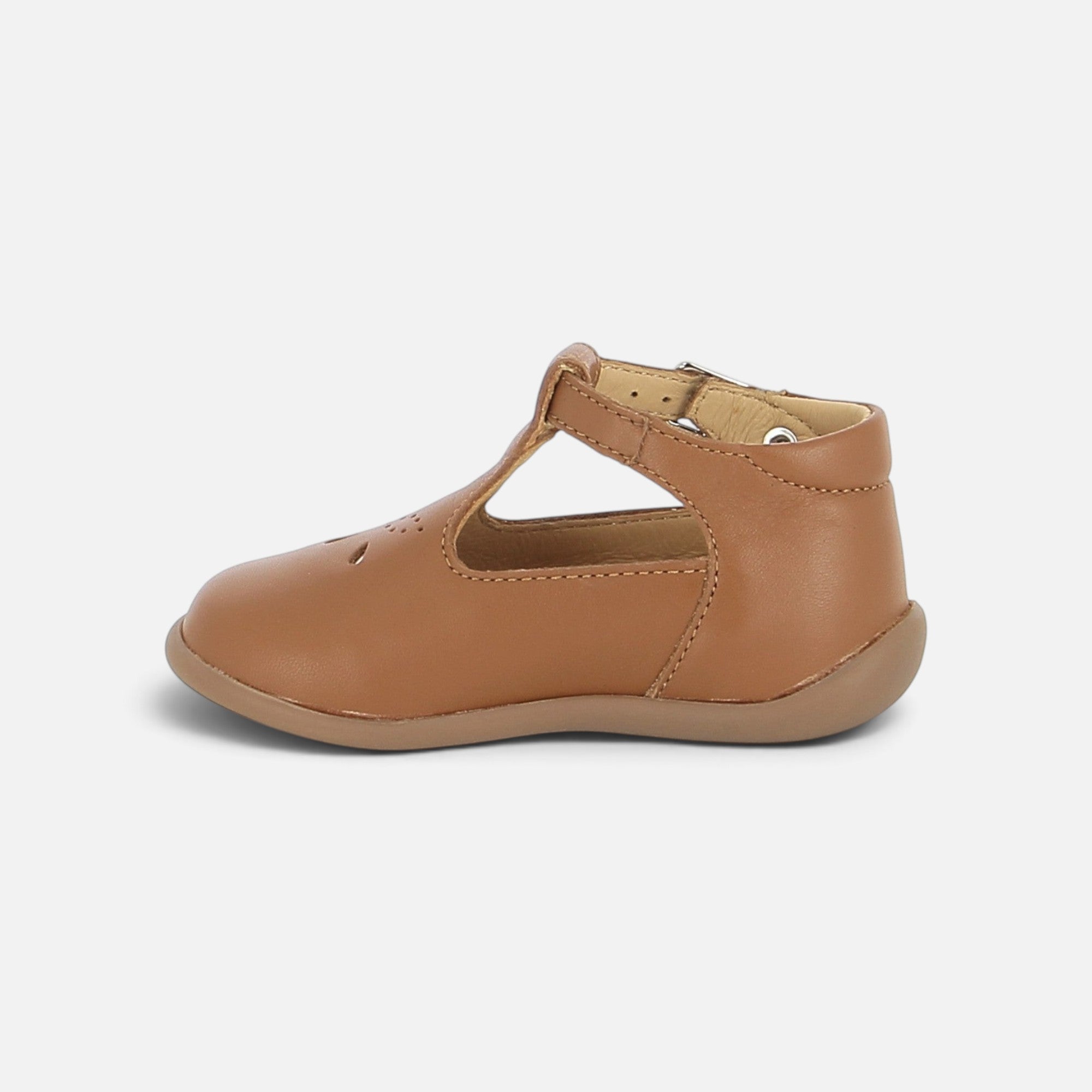
Patented technology Pom d'Api
The Anti-Twist© Process
A sole featuring a heel shank. This reinforcement prevents any risk of twisting in the ankle and instep. This targeted support allows the front of the shoe to be very flexible, while providing slight support at the back. This model supports the natural movement with every step.
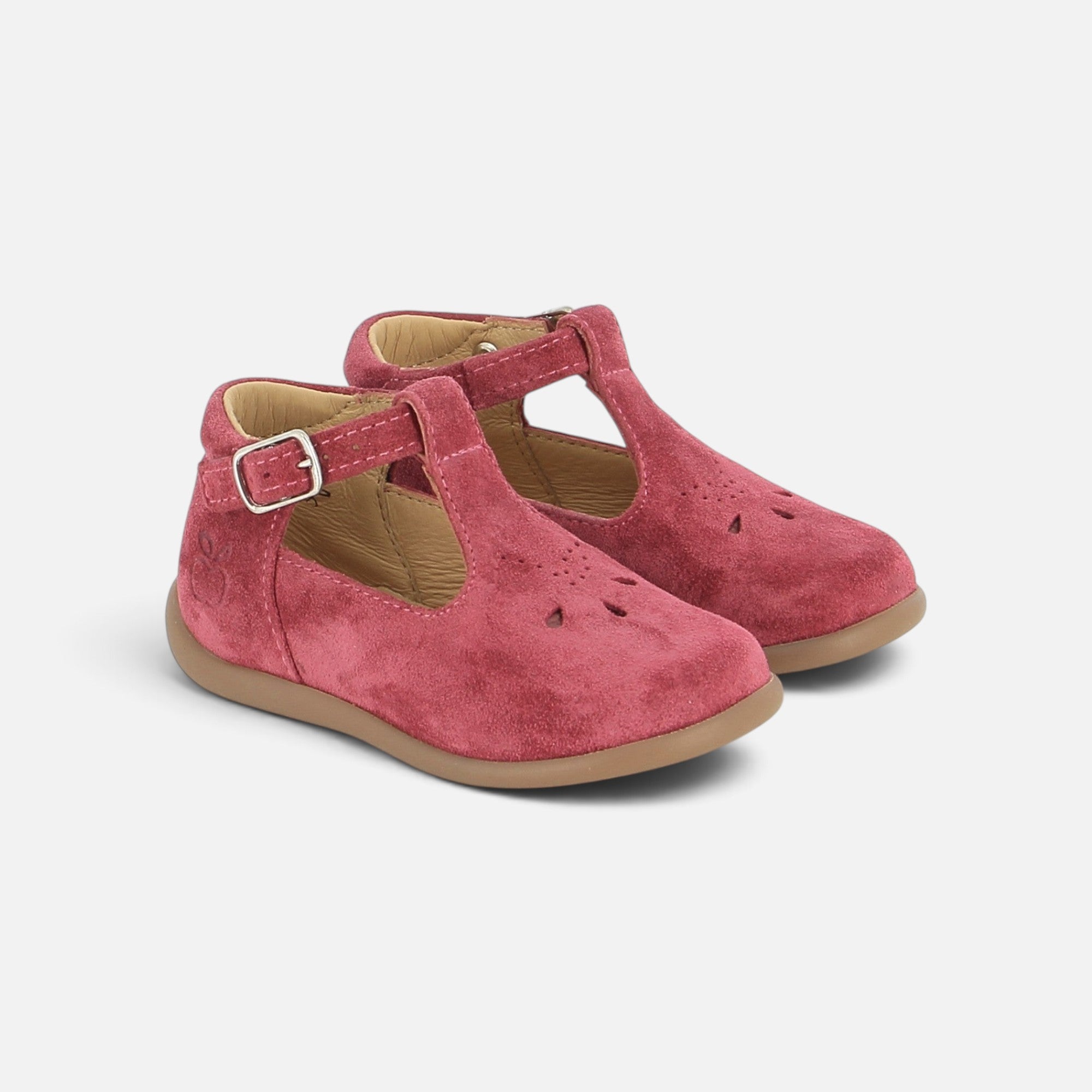
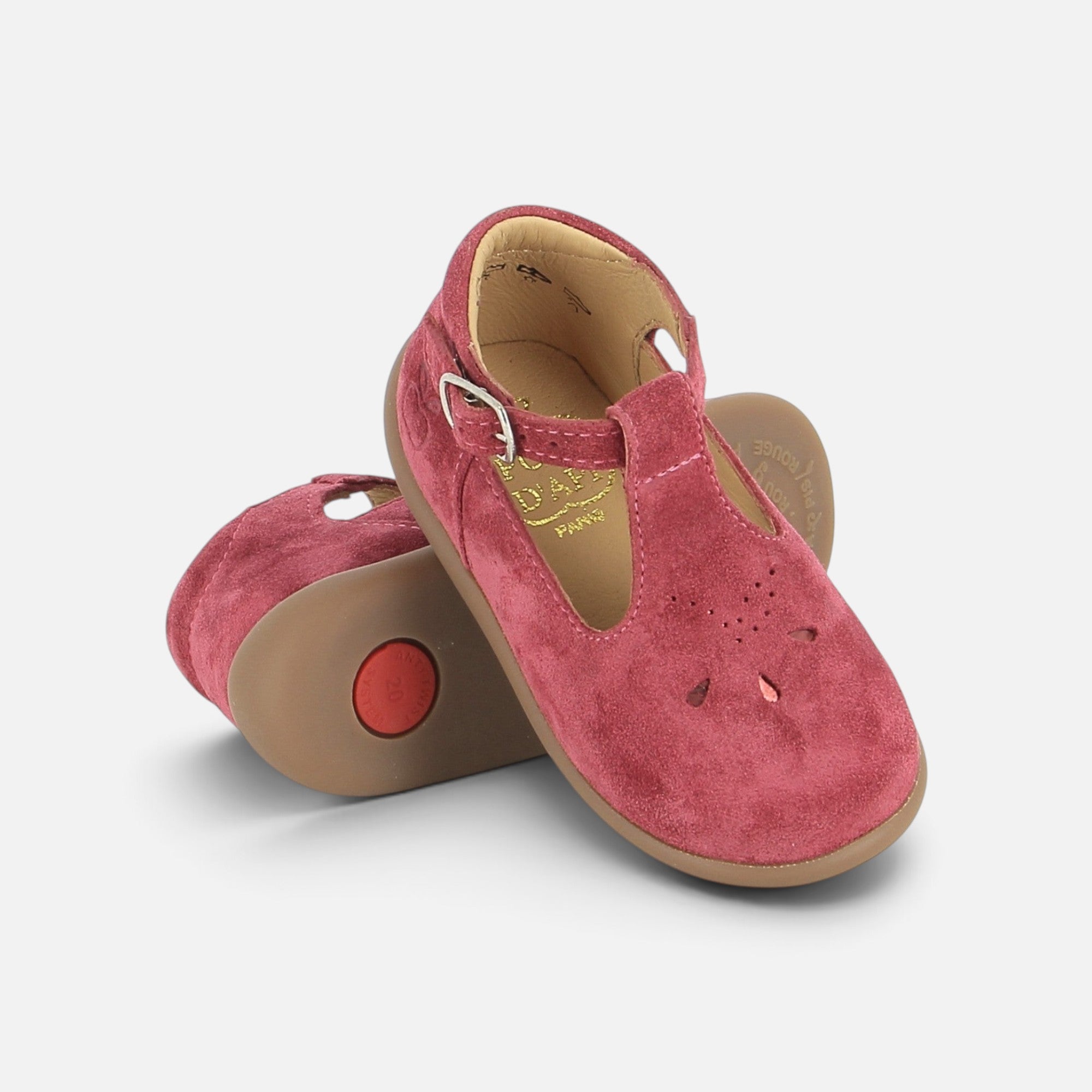
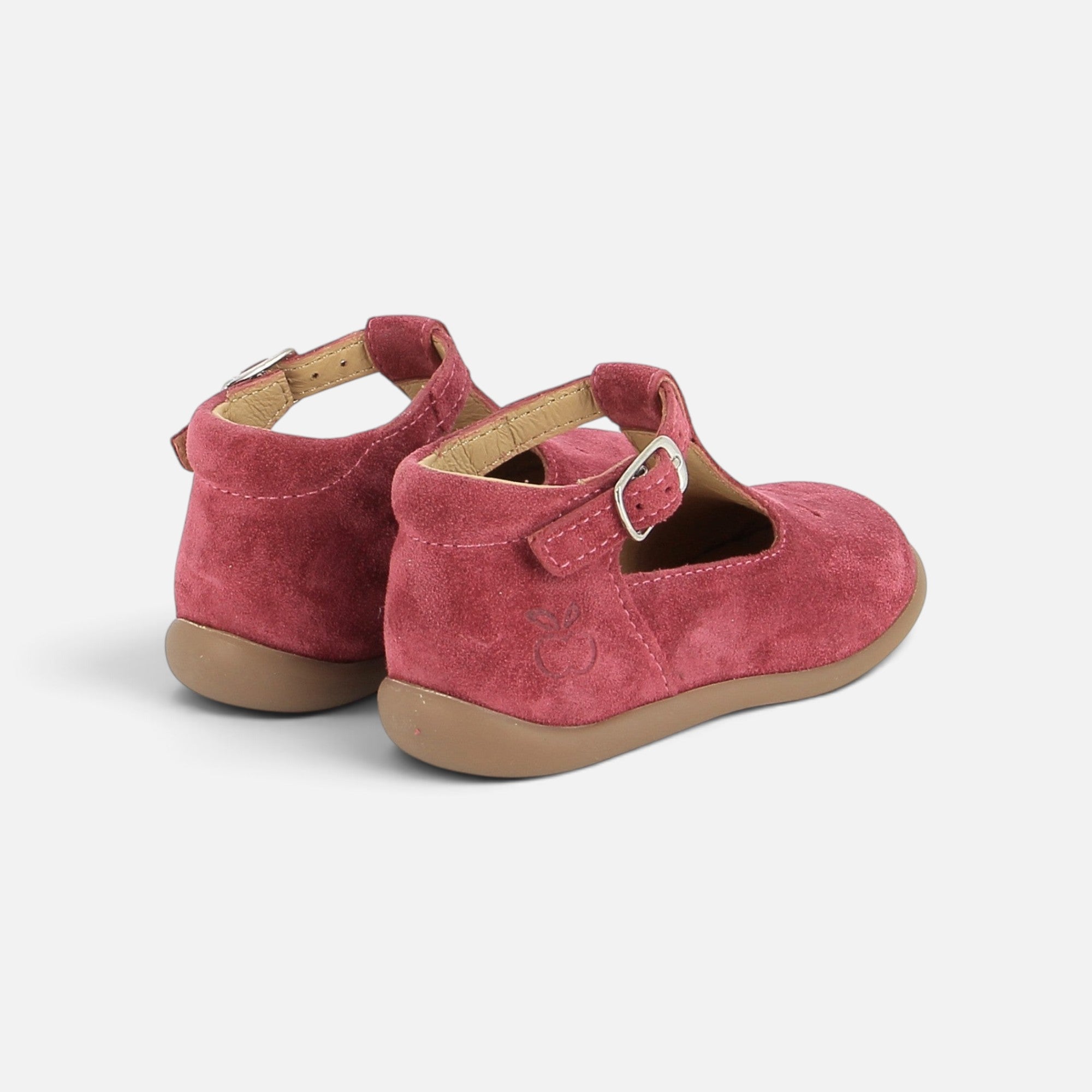
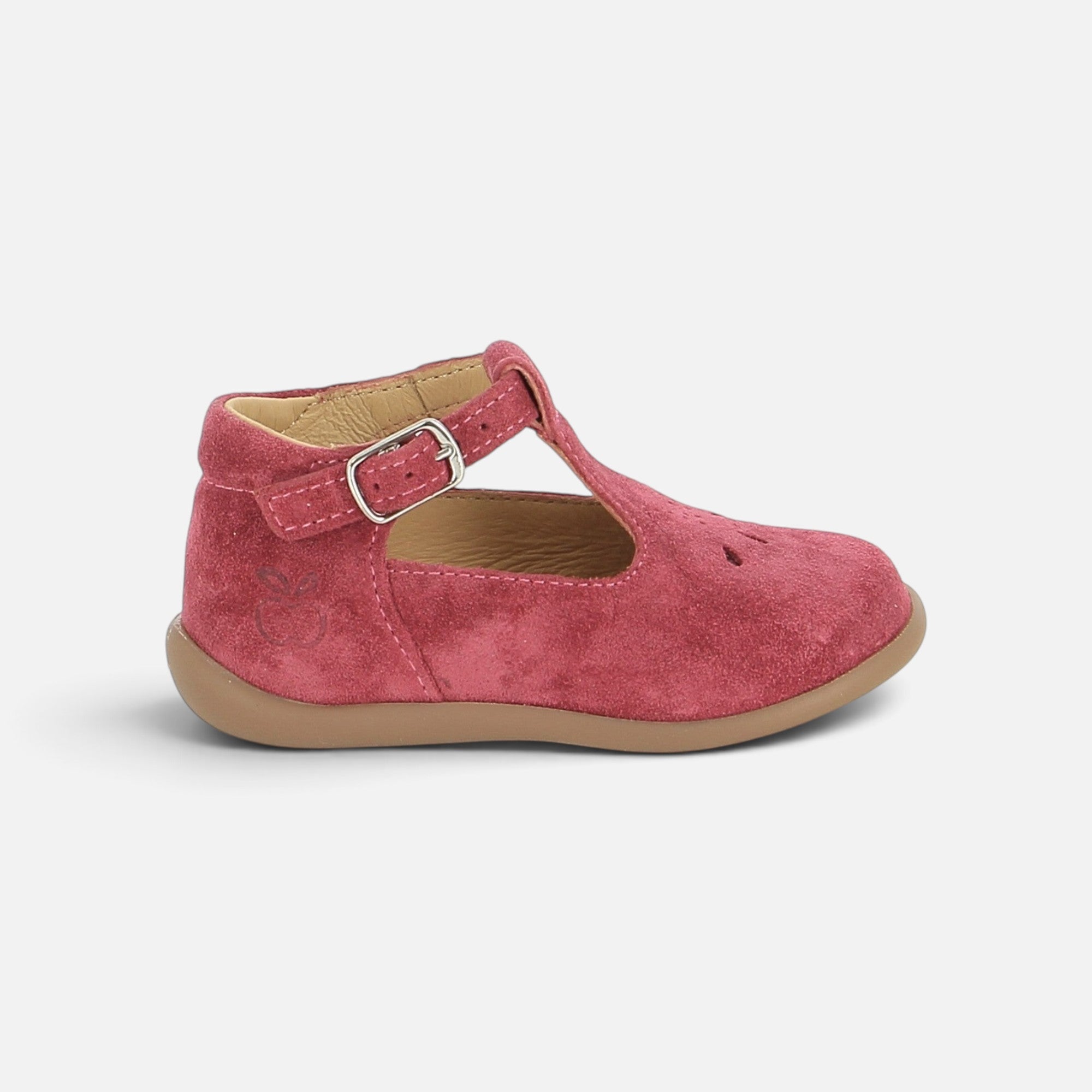
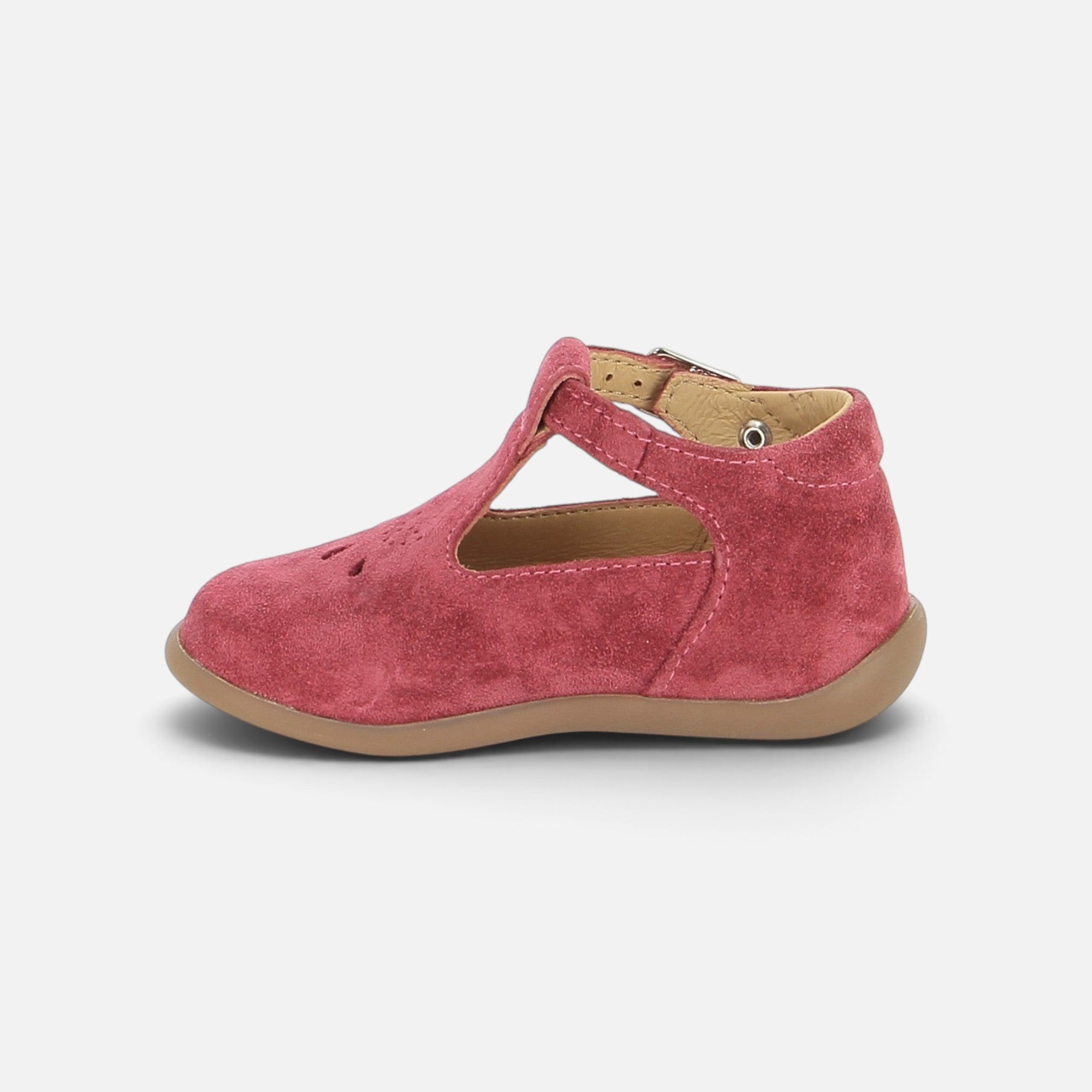
Patented technology Pom d'Api
The Anti-Twist© Process
A sole featuring a heel shank. This reinforcement prevents any risk of twisting in the ankle and instep. This targeted support allows the front of the shoe to be very flexible, while providing slight support at the back. This model supports the natural movement with every step.
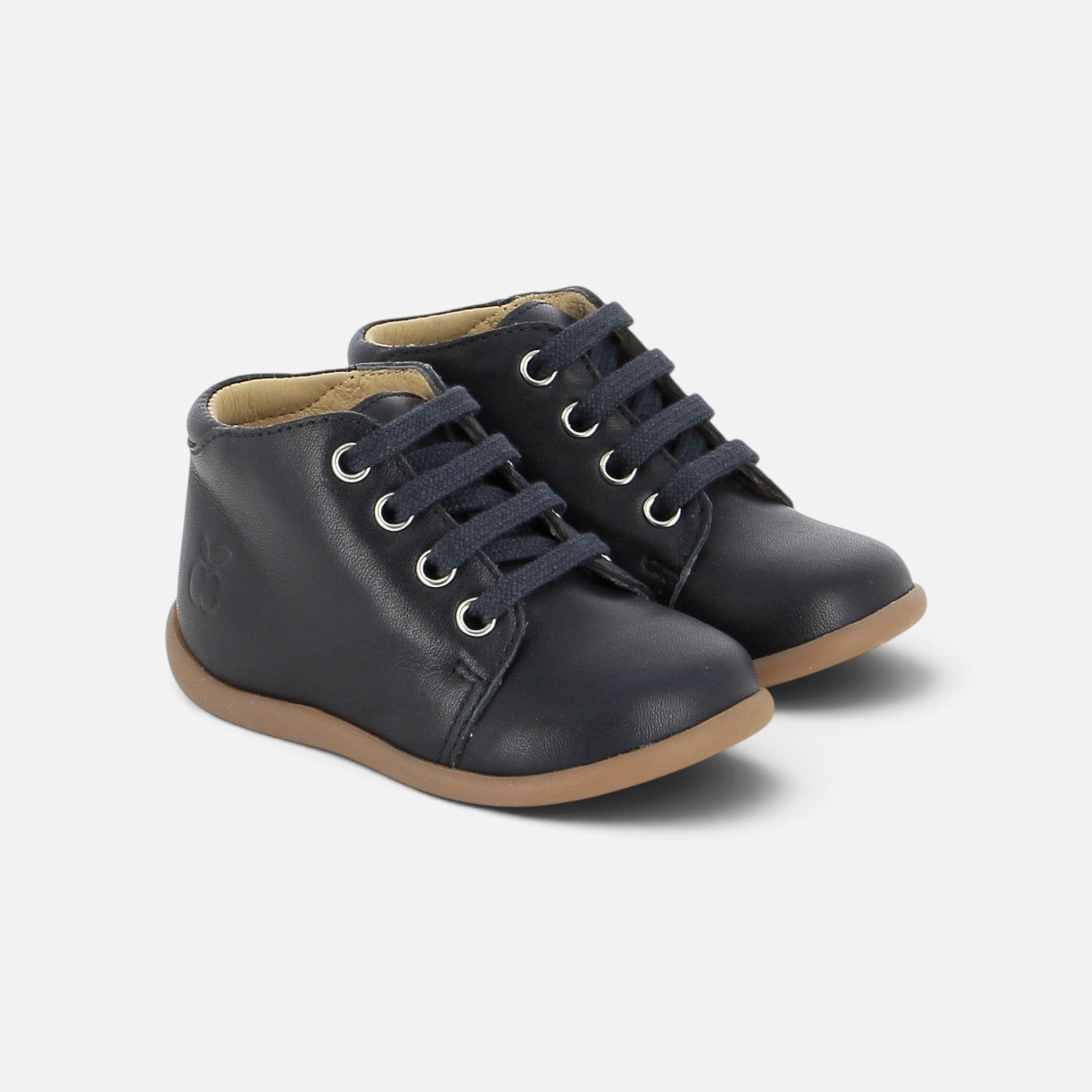
Patented technology Pom d'Api
The Anti-Twist© Process
A sole featuring a heel shank. This reinforcement prevents any risk of twisting in the ankle and instep. This targeted support allows the front of the shoe to be very flexible, while providing slight support at the back. This model supports the natural movement with every step.
Patented technology Pom d'Api
The Anti-Twist© Process
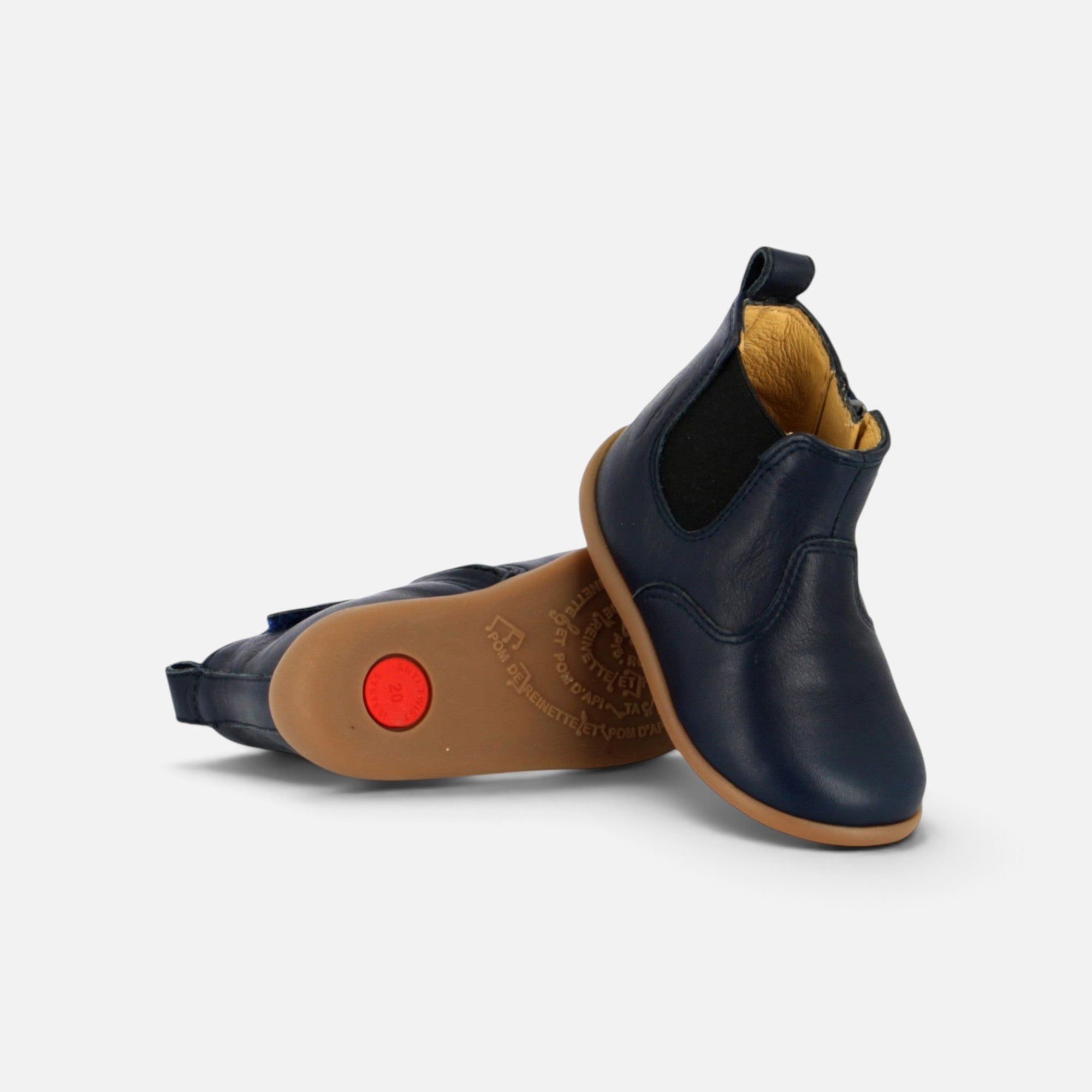
A sole featuring a heel shank. This reinforcement prevents any risk of twisting in the ankle and instep. This targeted support allows the front of the shoe to be very flexible, while providing slight support at the back. This model supports the natural movement with every step.
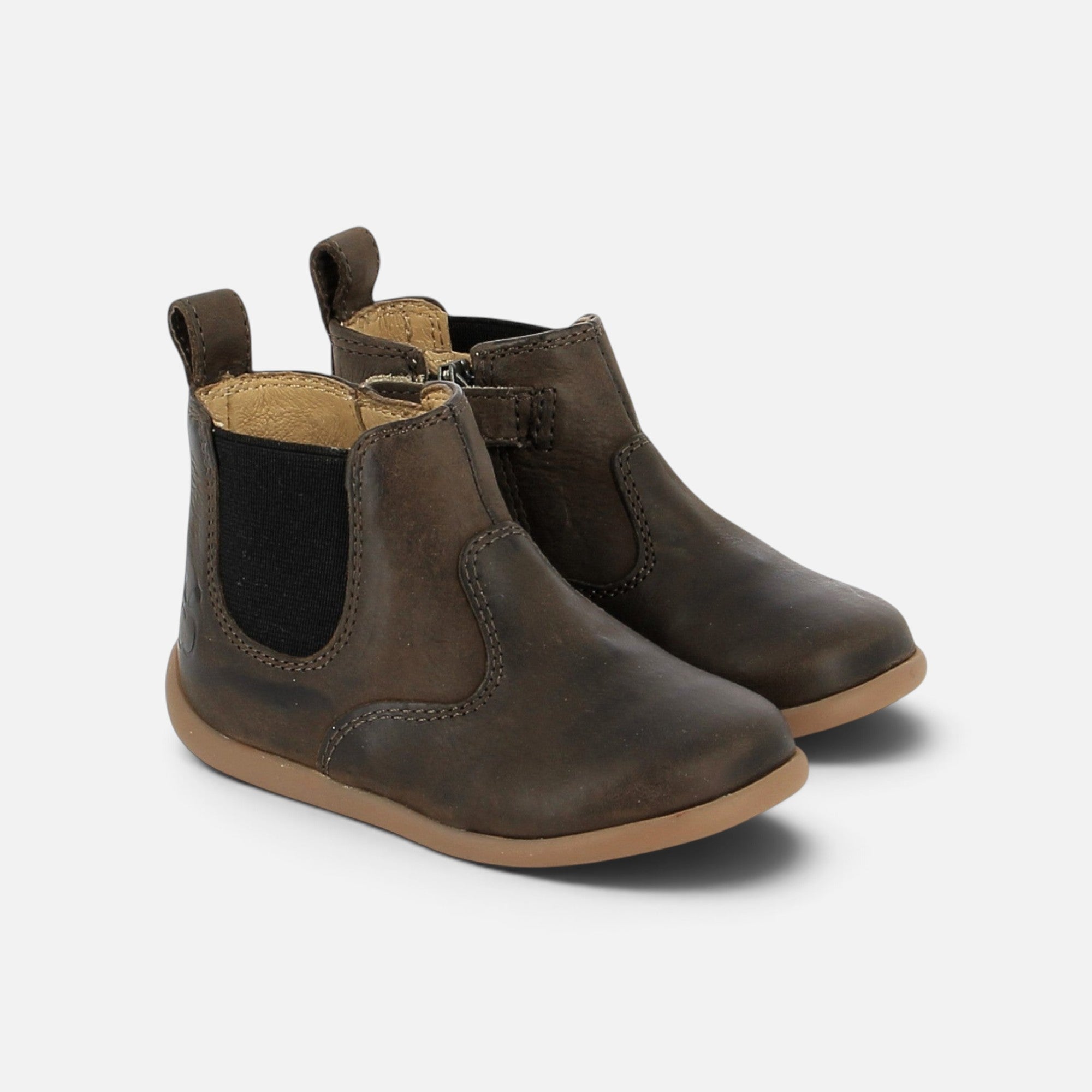
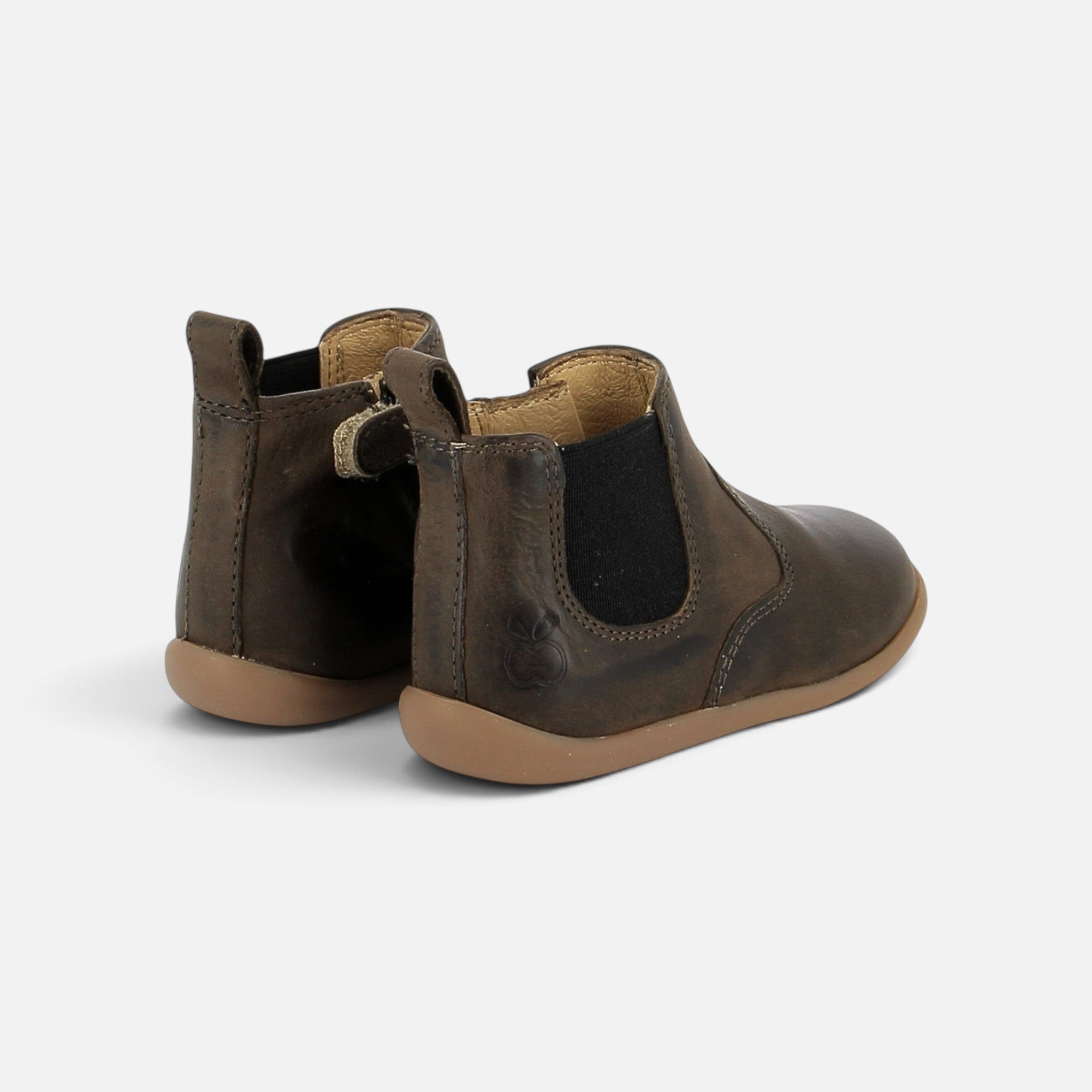
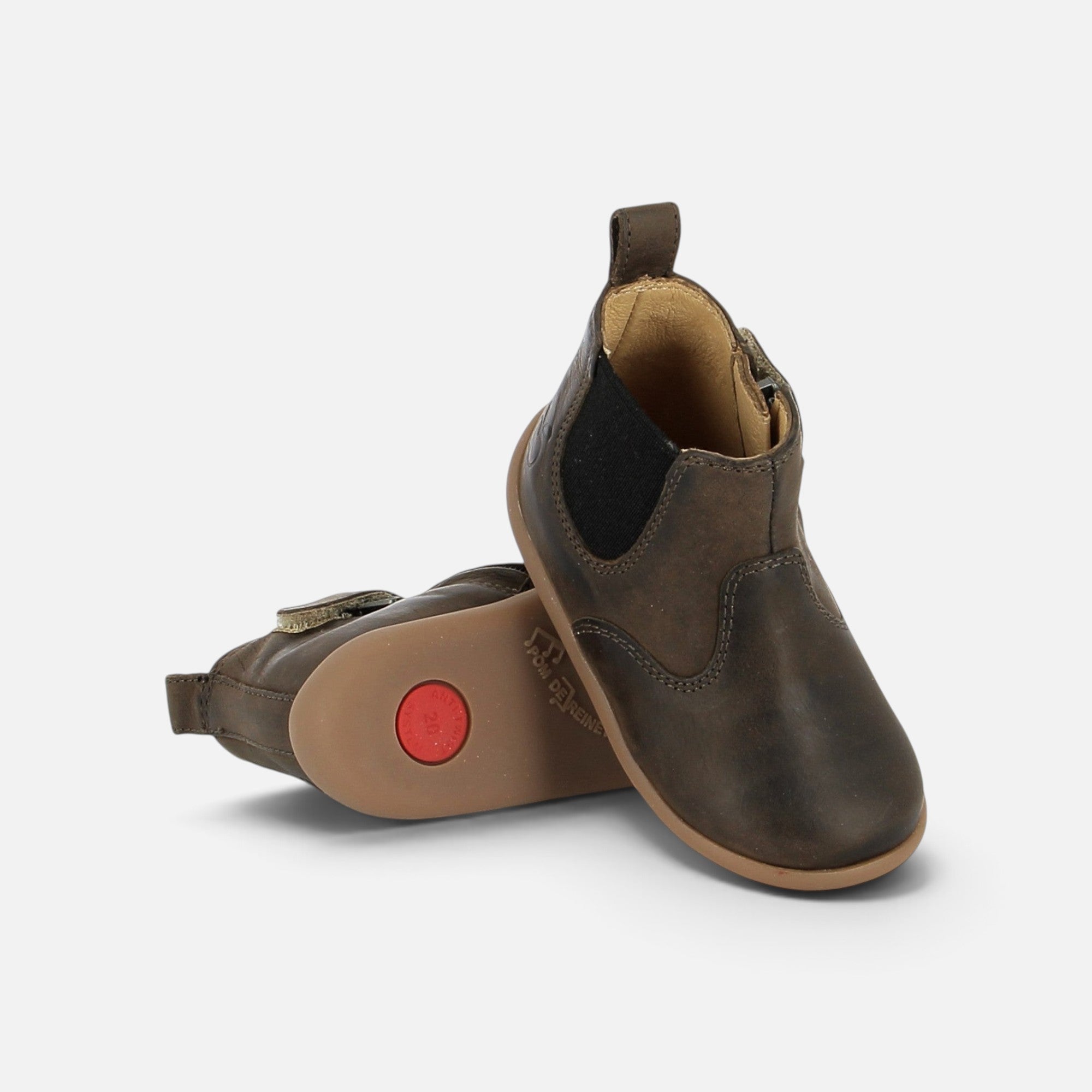
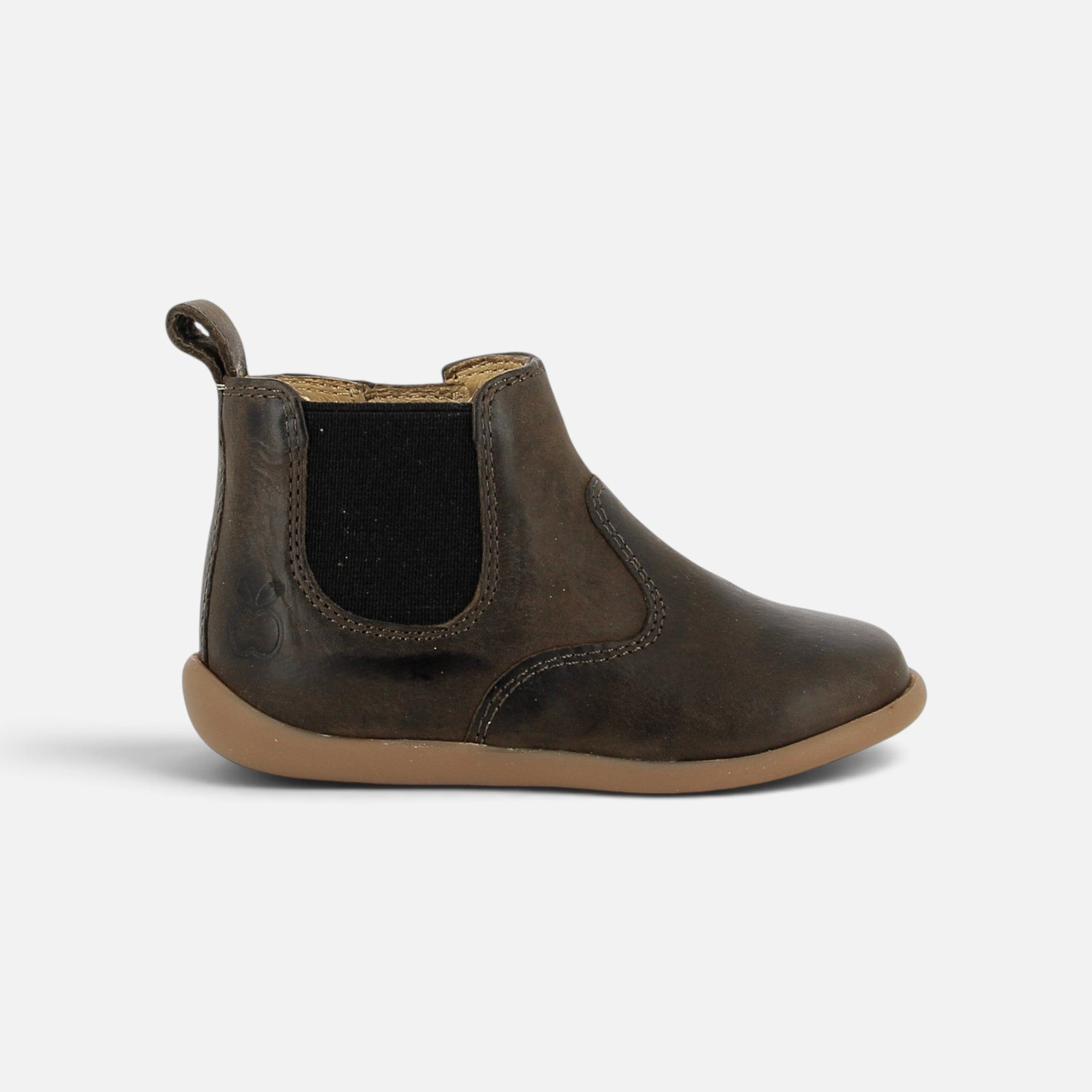
Patented technology Pom d'Api
The Anti-Twist© Process
A sole featuring a heel shank. This reinforcement prevents any risk of twisting in the ankle and instep. This targeted support allows the front of the shoe to be very flexible, while providing slight support at the back. This model supports the natural movement with every step.


Patented technology Pom d'Api
The Anti-Twist© Process
A sole featuring a heel shank. This reinforcement prevents any risk of twisting in the ankle and instep. This targeted support allows the front of the shoe to be very flexible, while providing slight support at the back. This model supports the natural movement with every step.
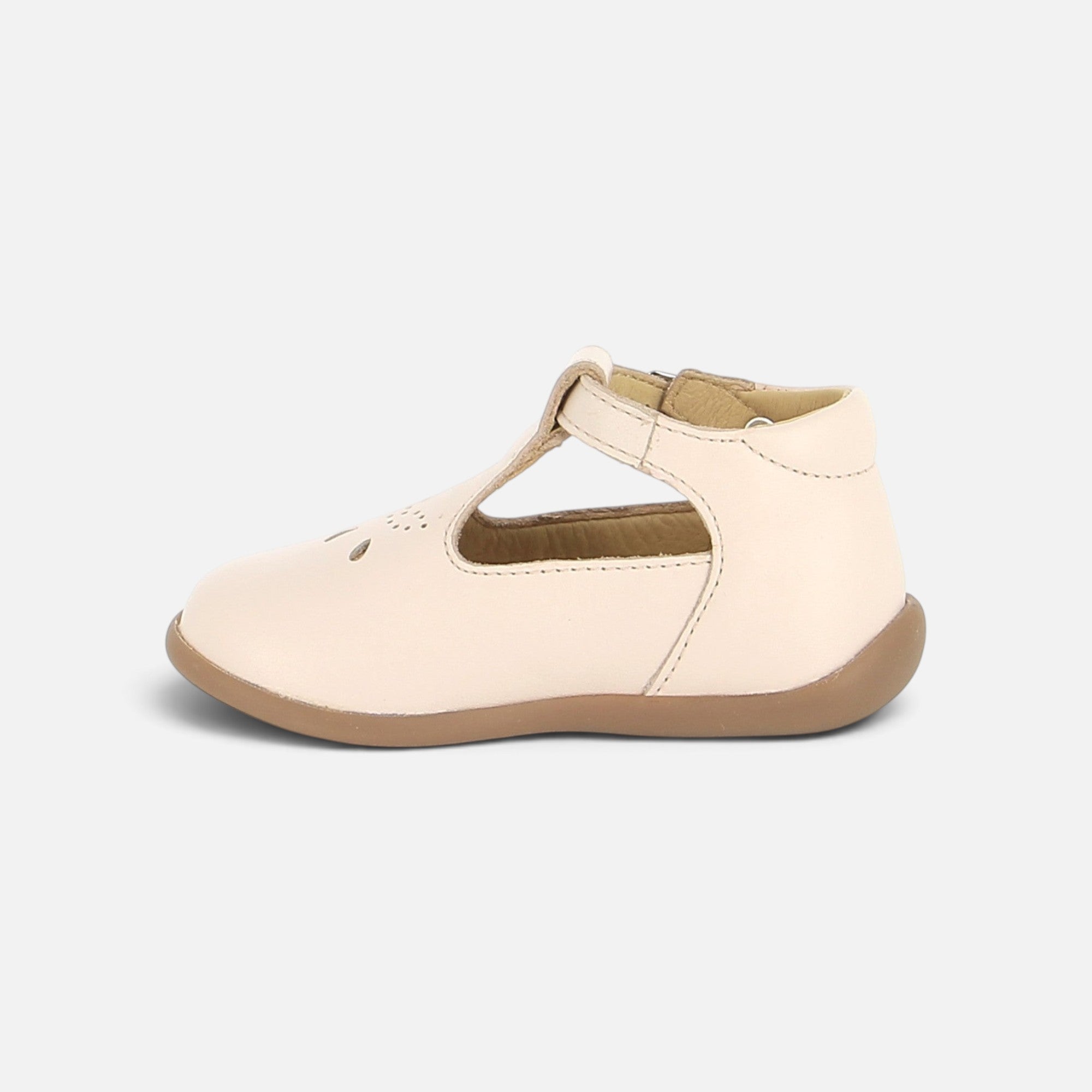
Patented technology Pom d'Api
The Anti-Twist© Process
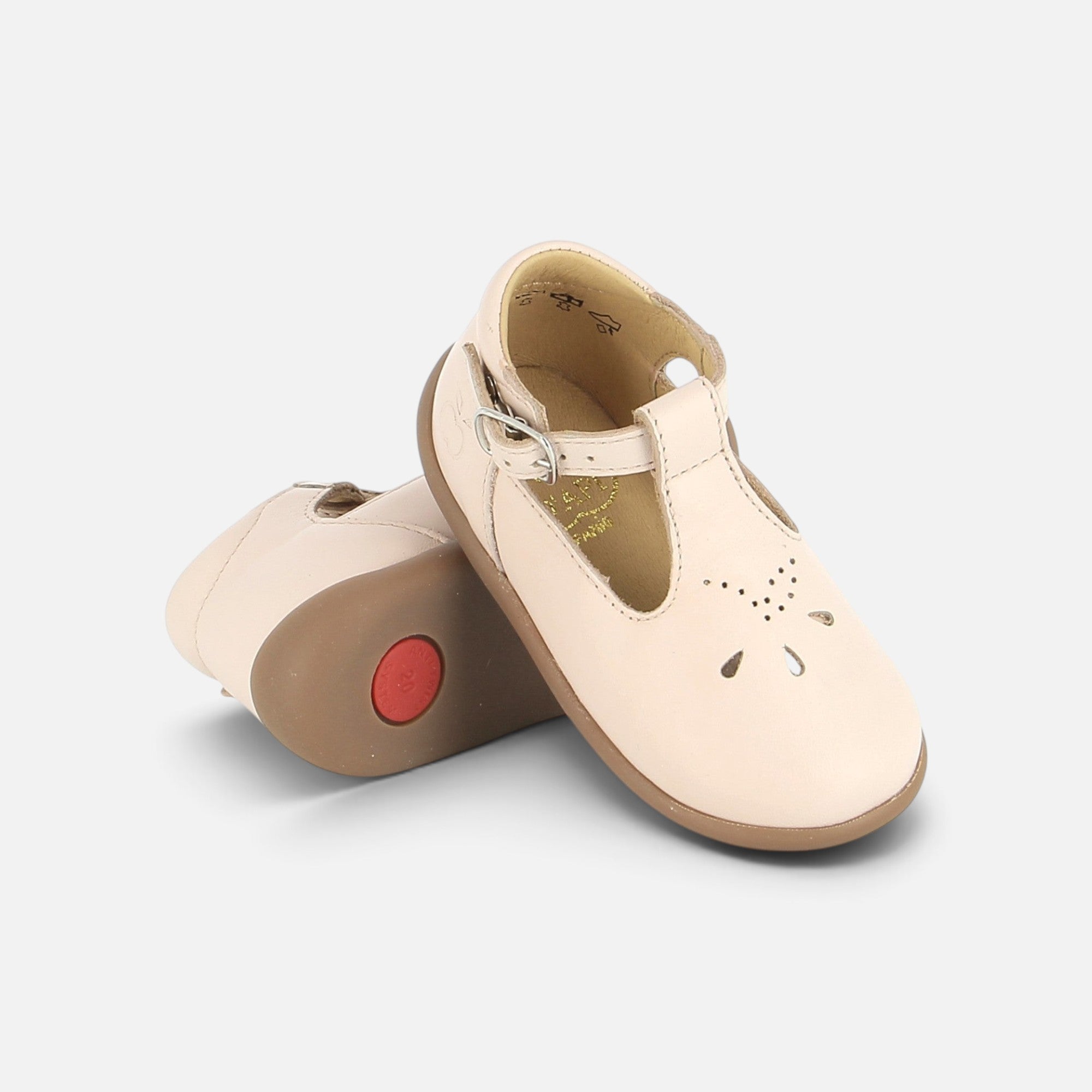
A sole featuring a heel shank. This reinforcement prevents any risk of twisting in the ankle and instep. This targeted support allows the front of the shoe to be very flexible, while providing slight support at the back. This model supports the natural movement with every step.
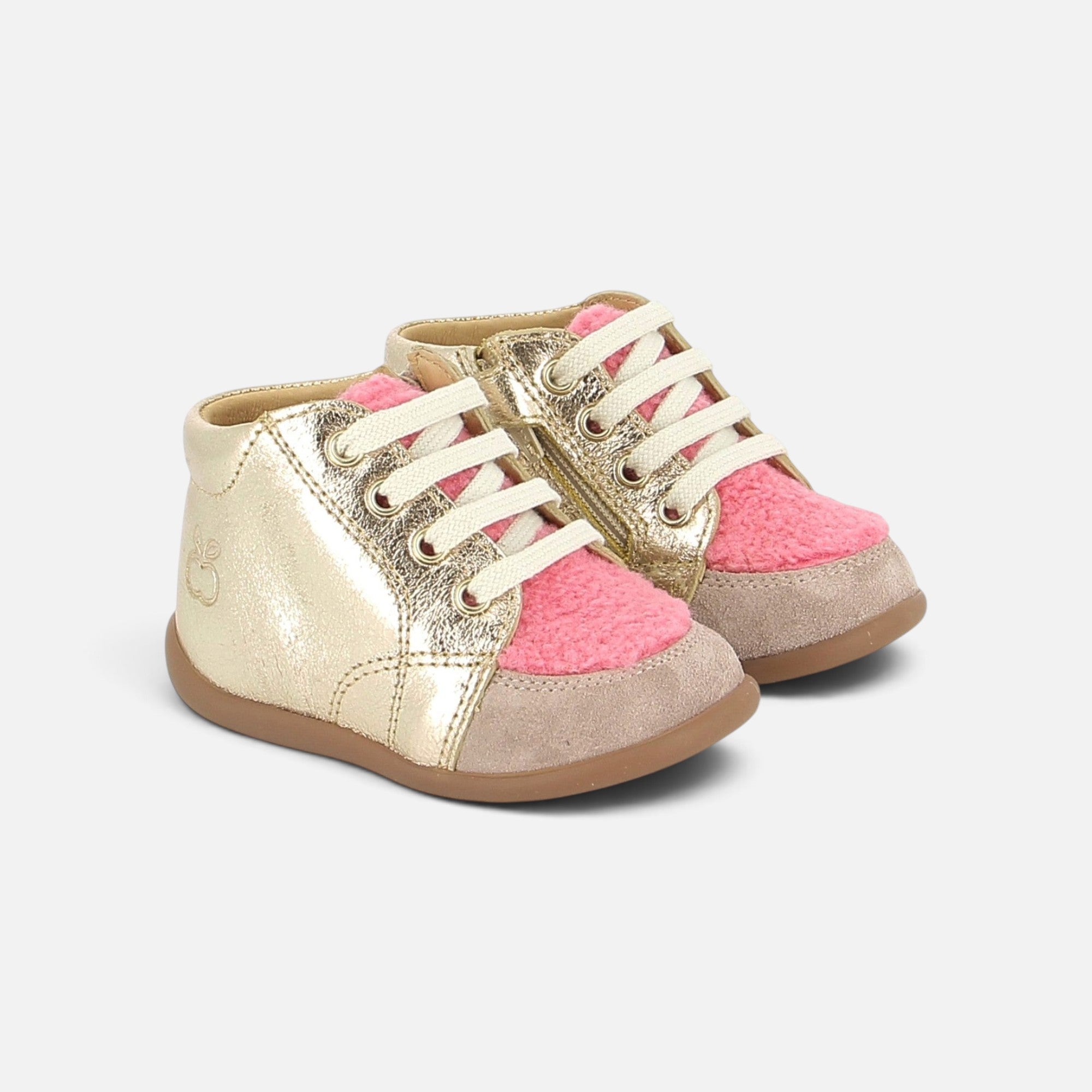
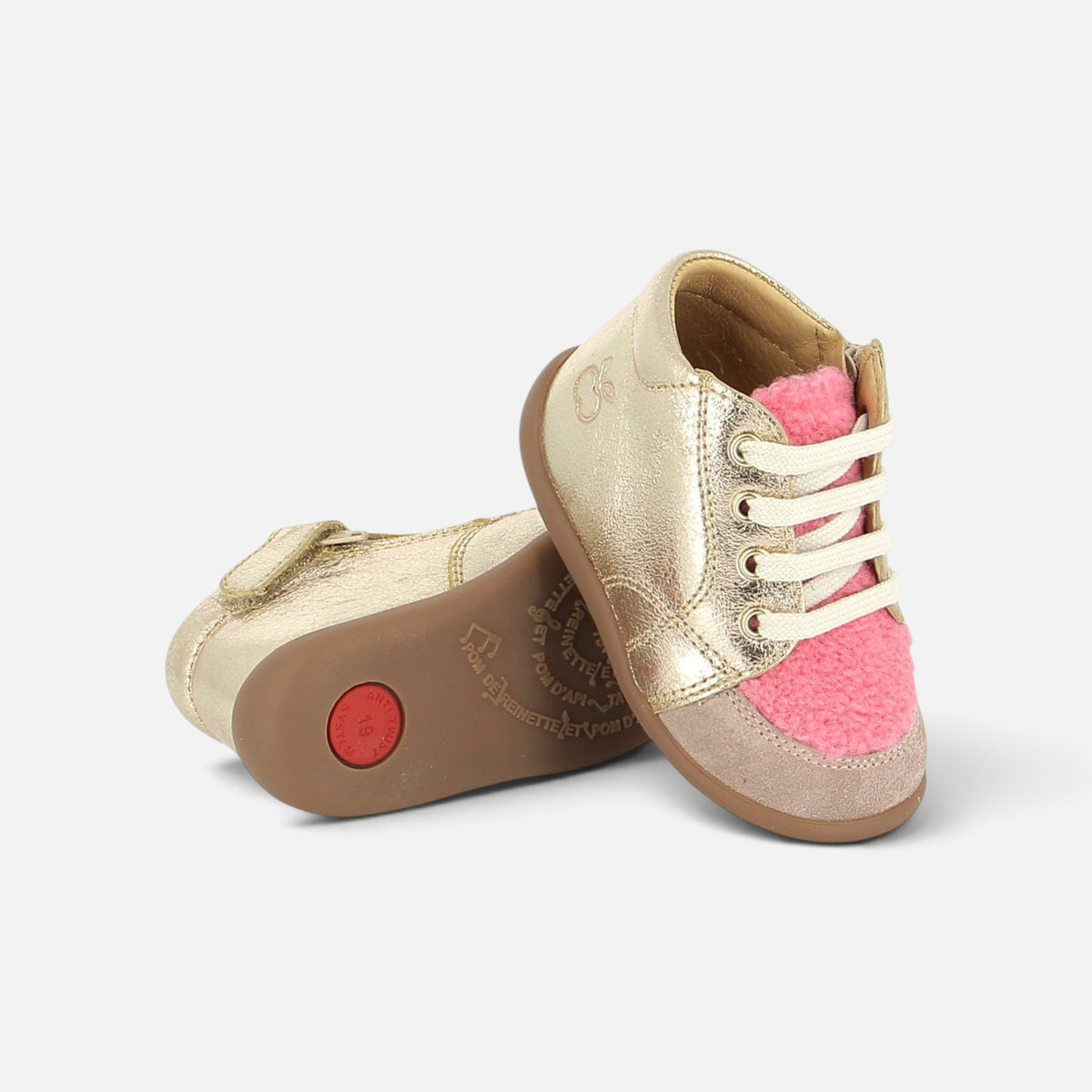
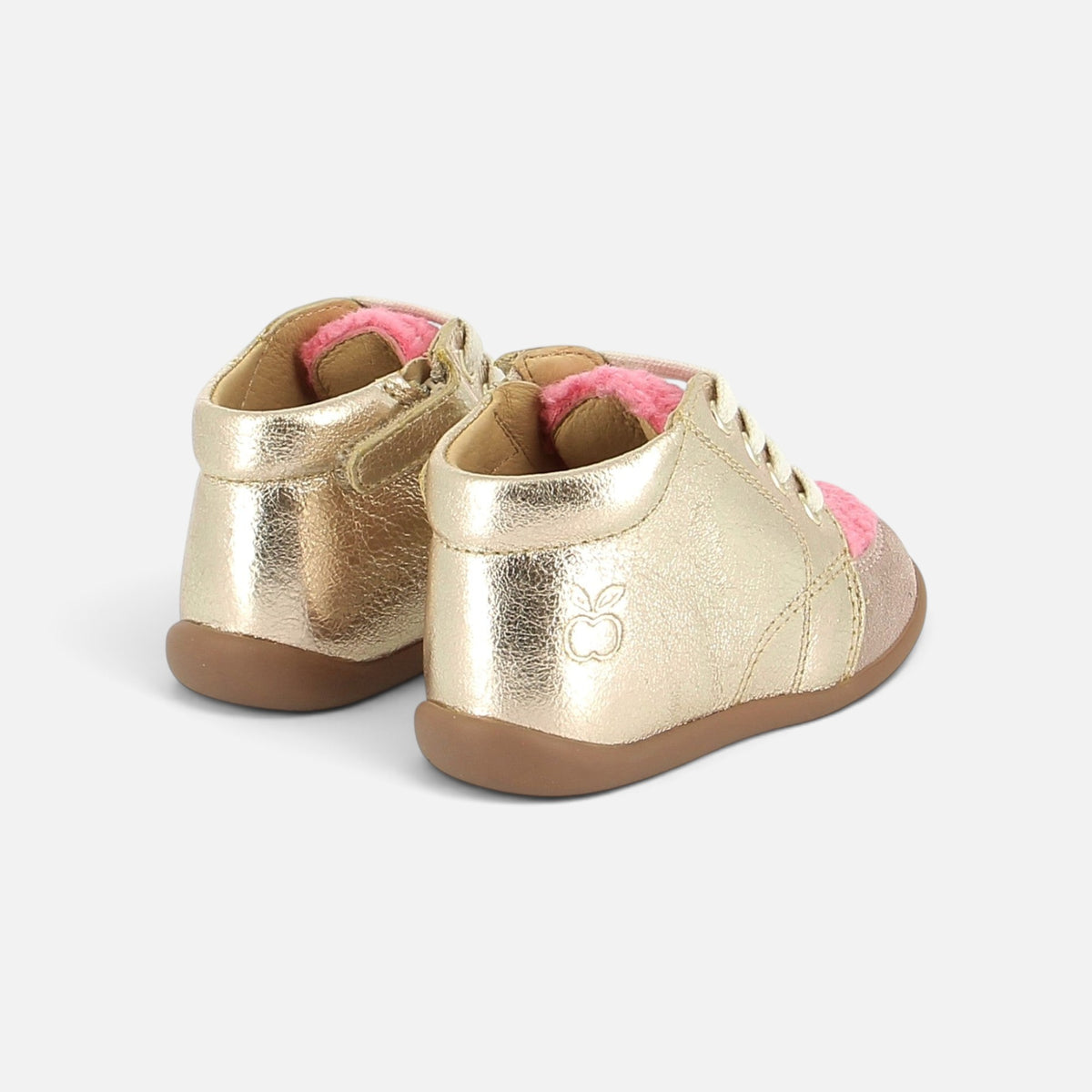
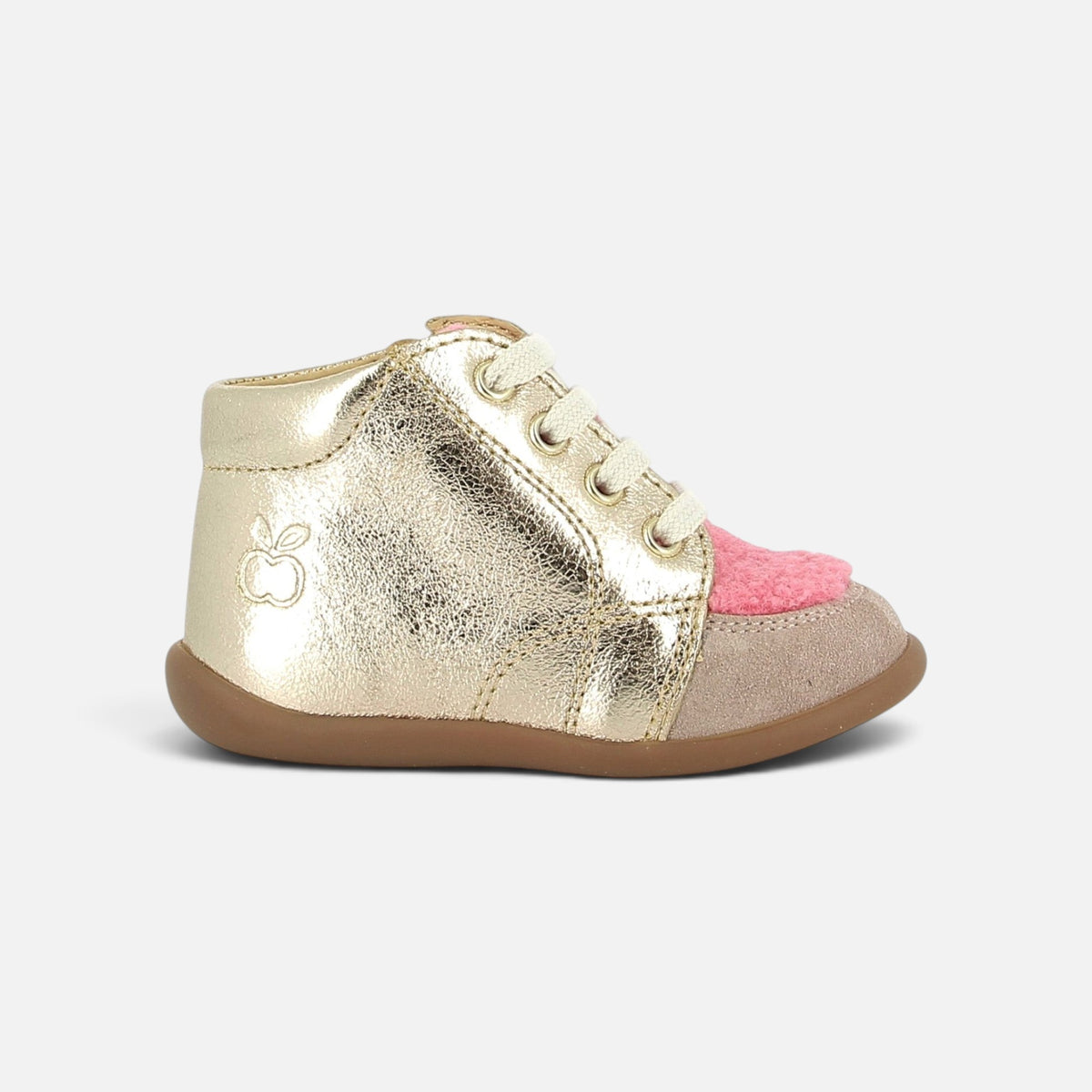
Developed by Pom d'Api
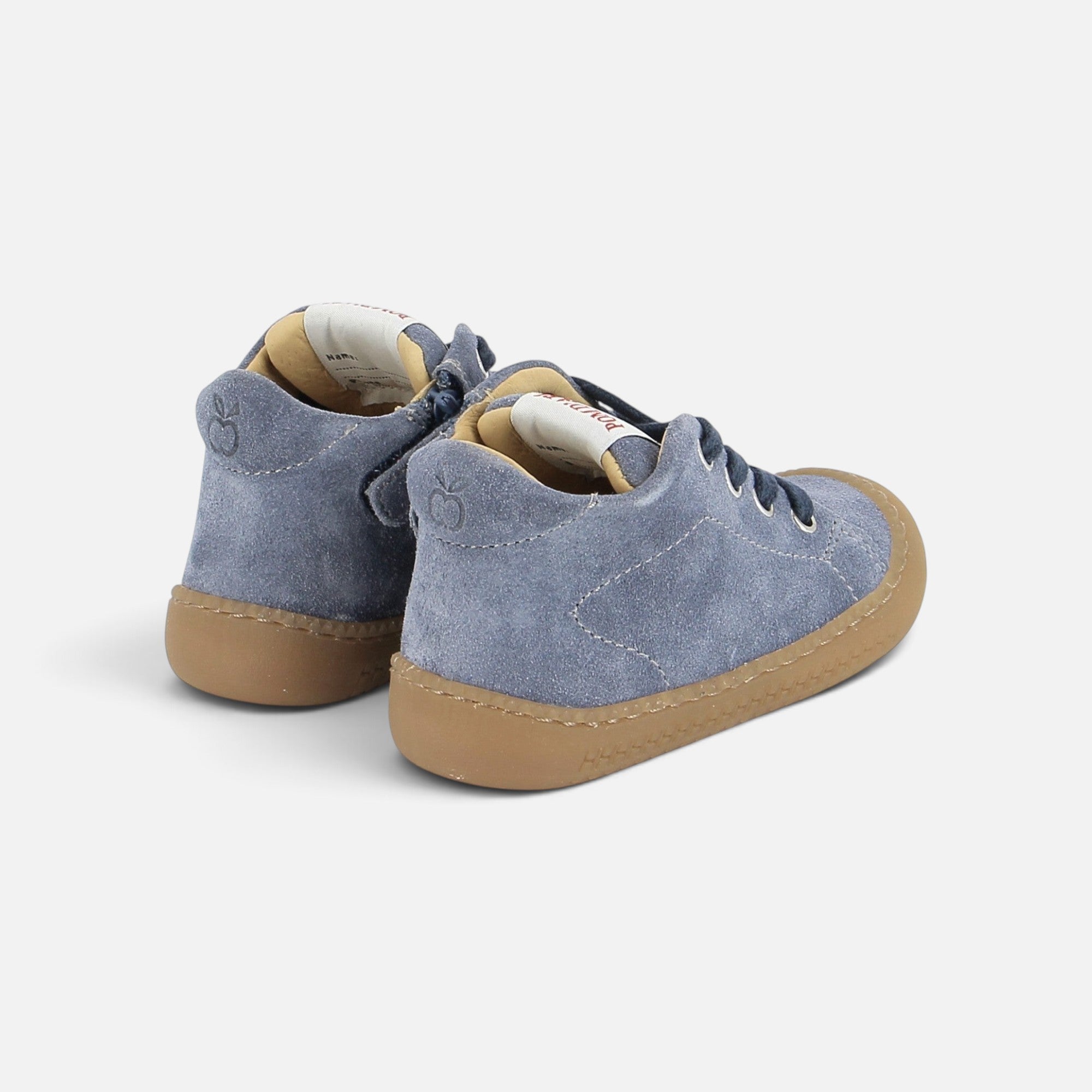
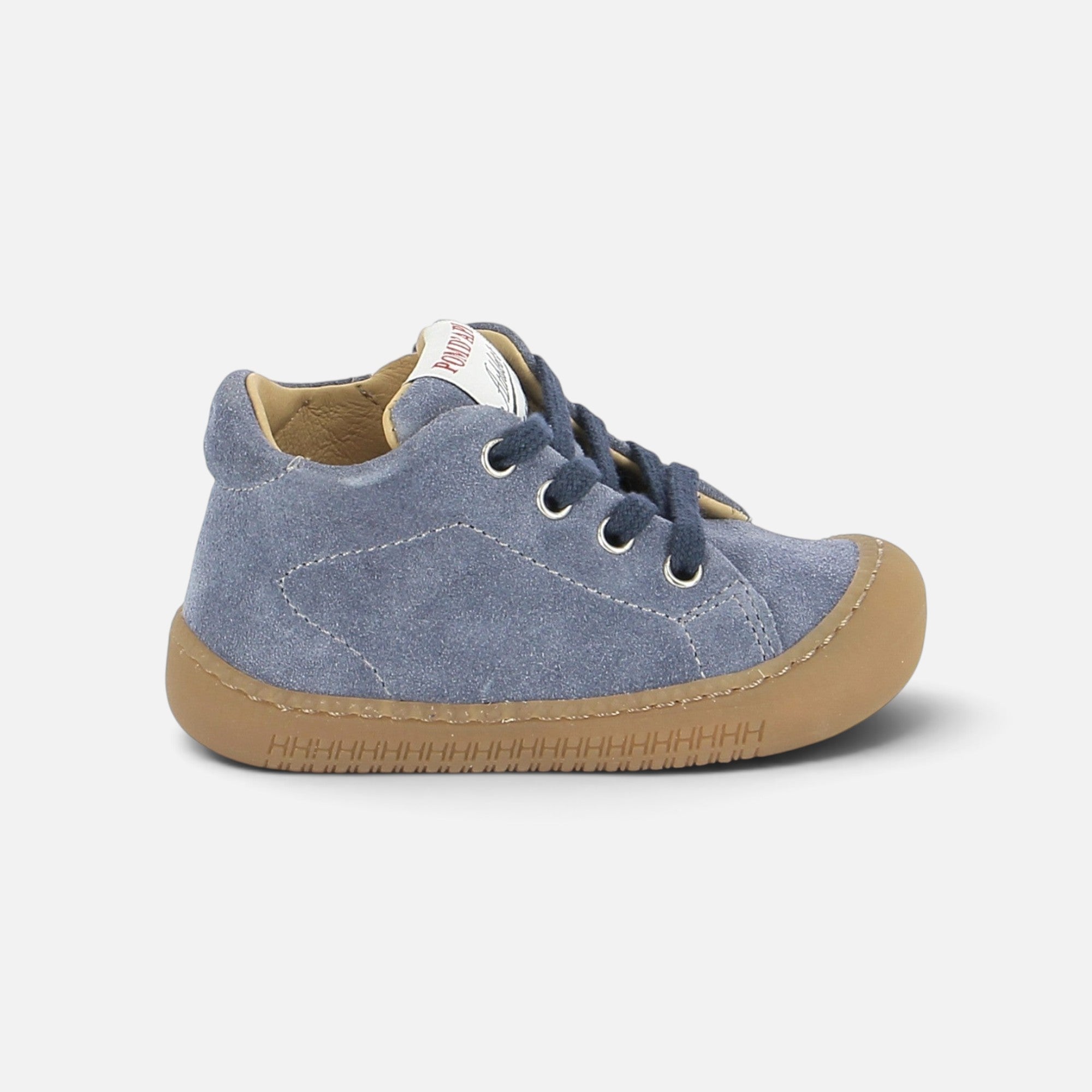
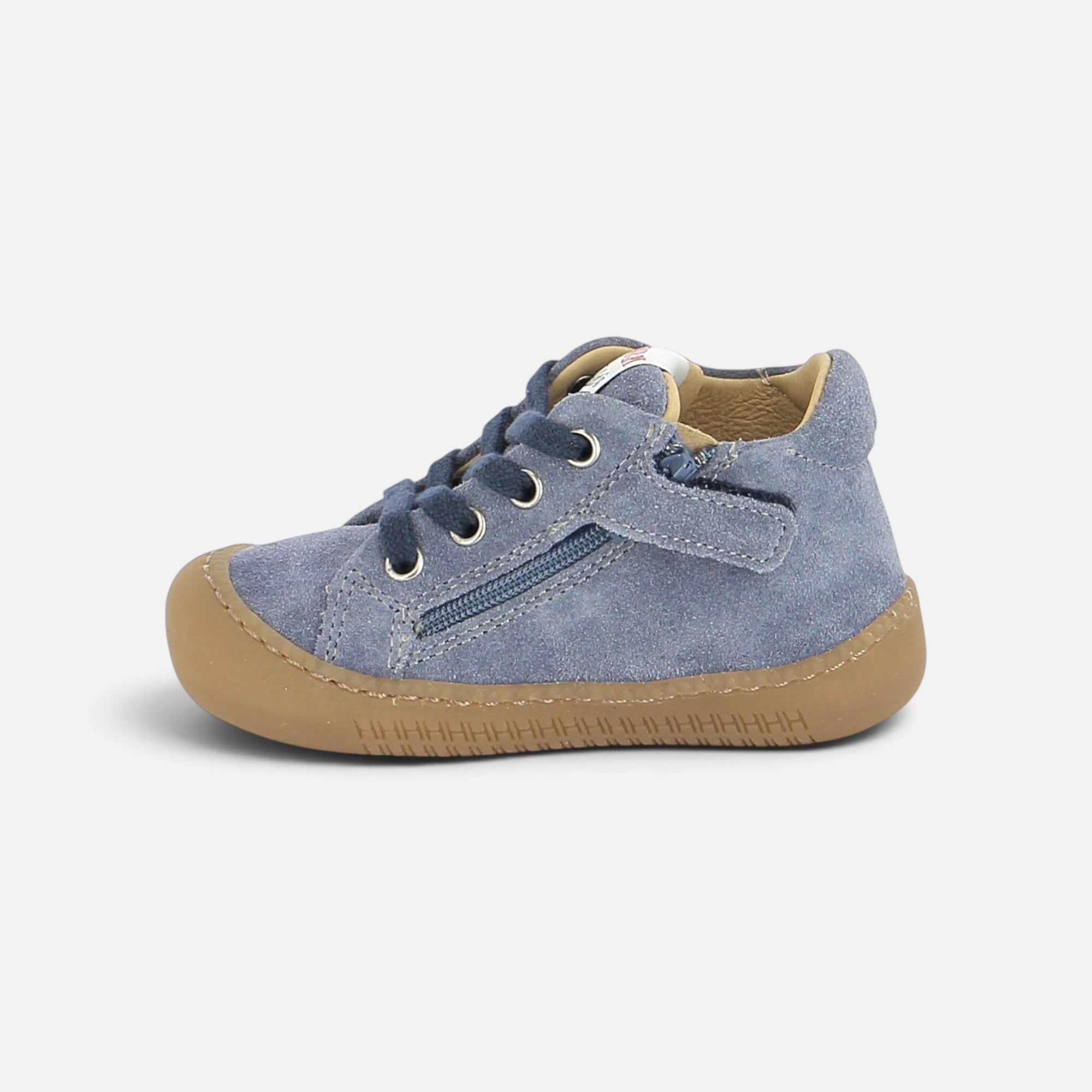
An Extra-Soft Model
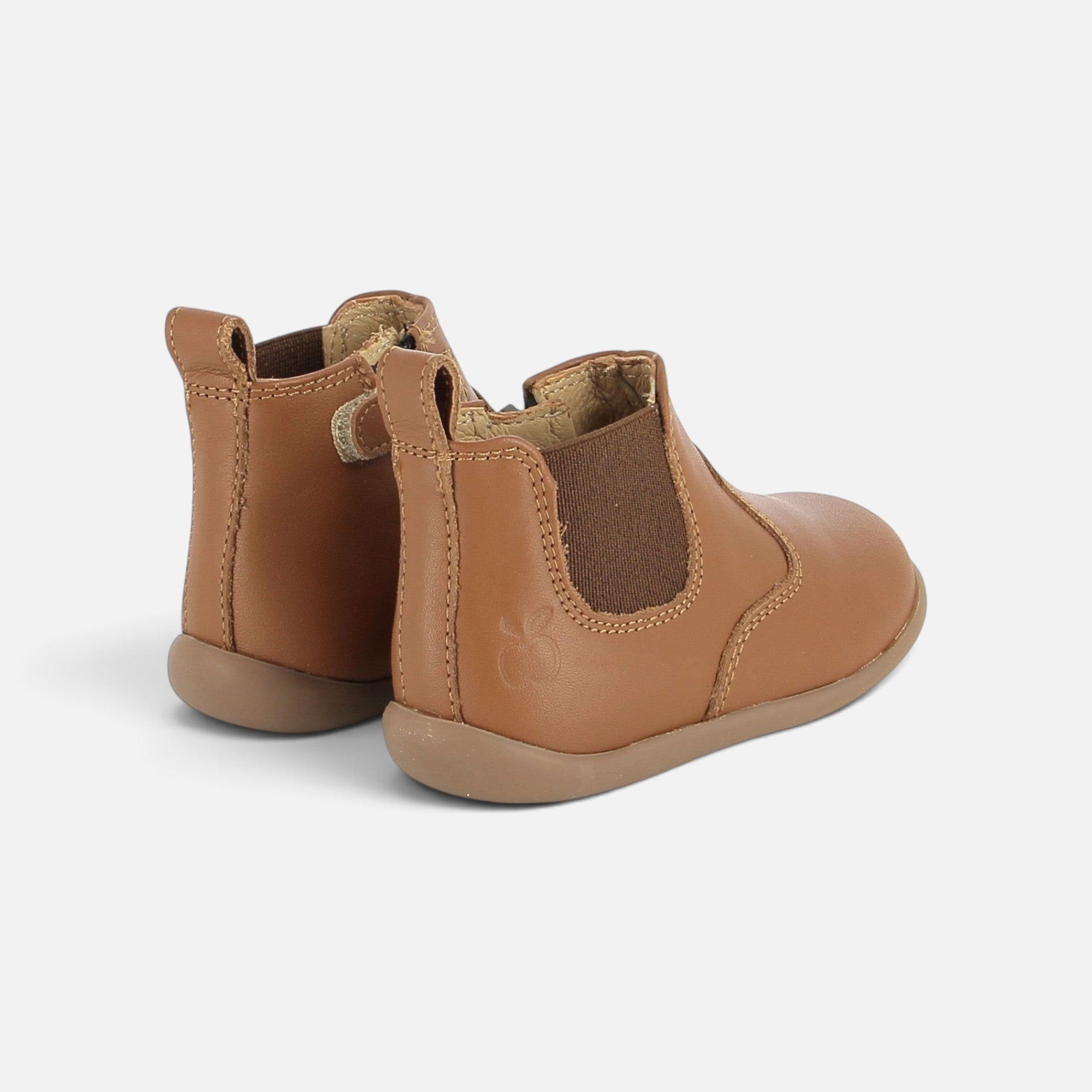
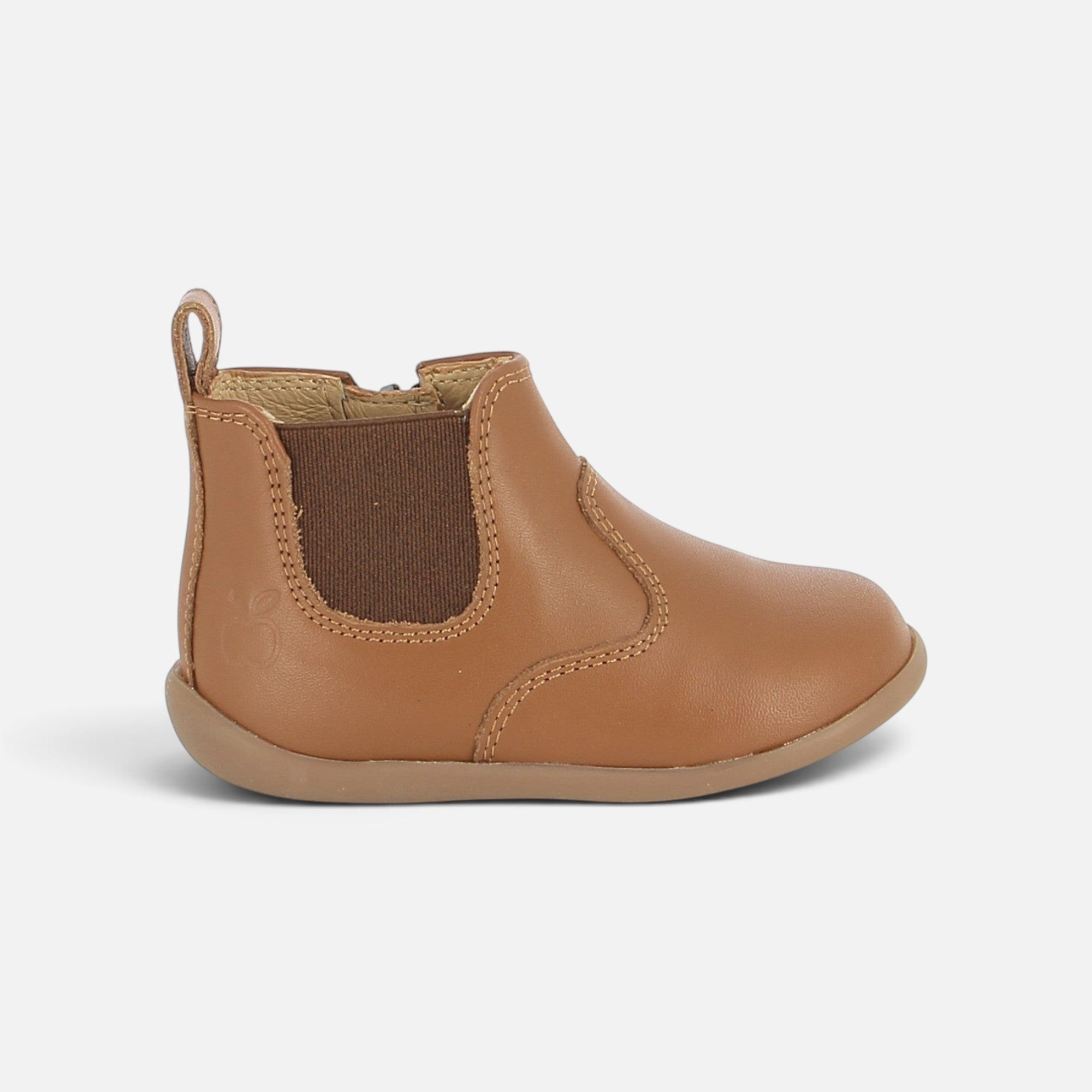
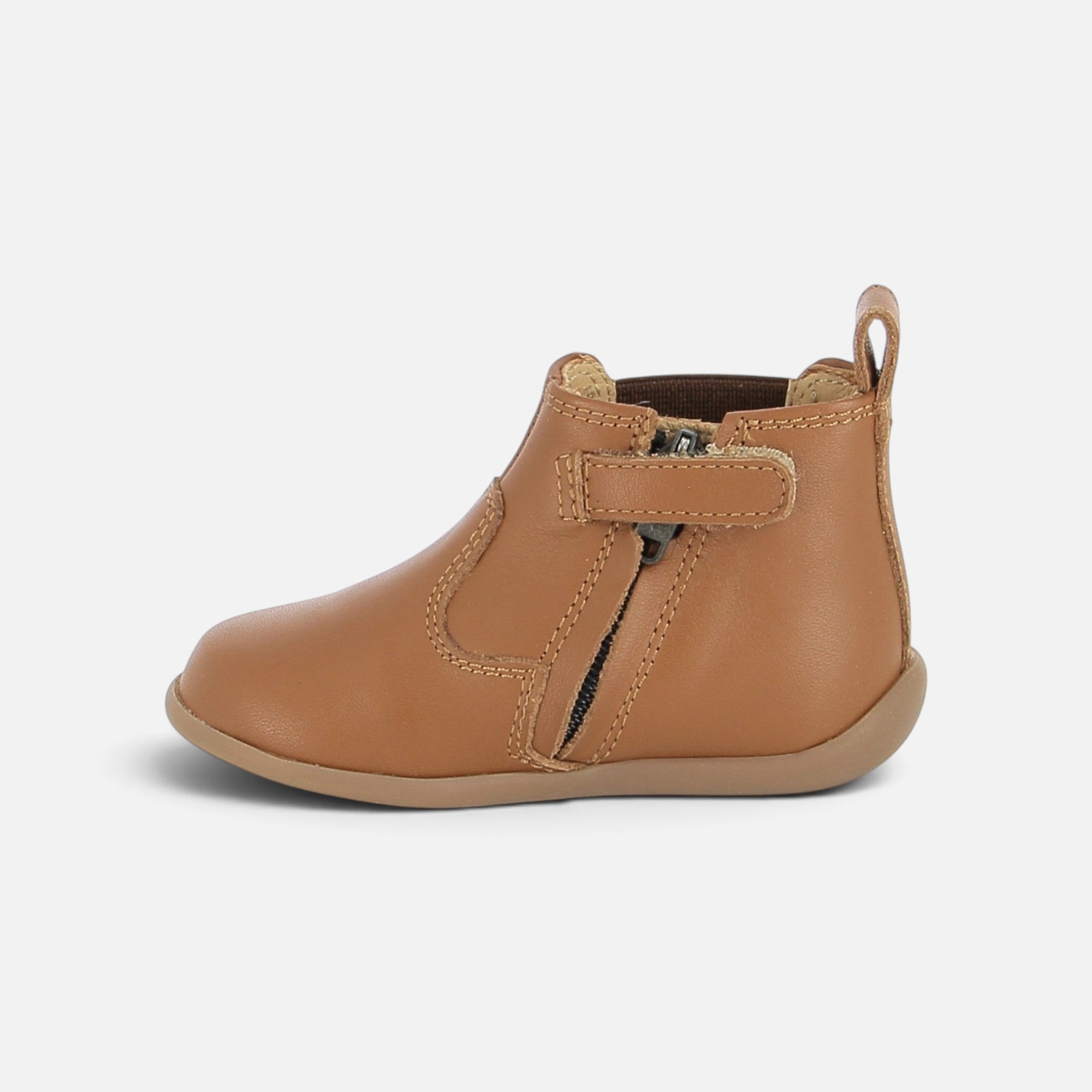
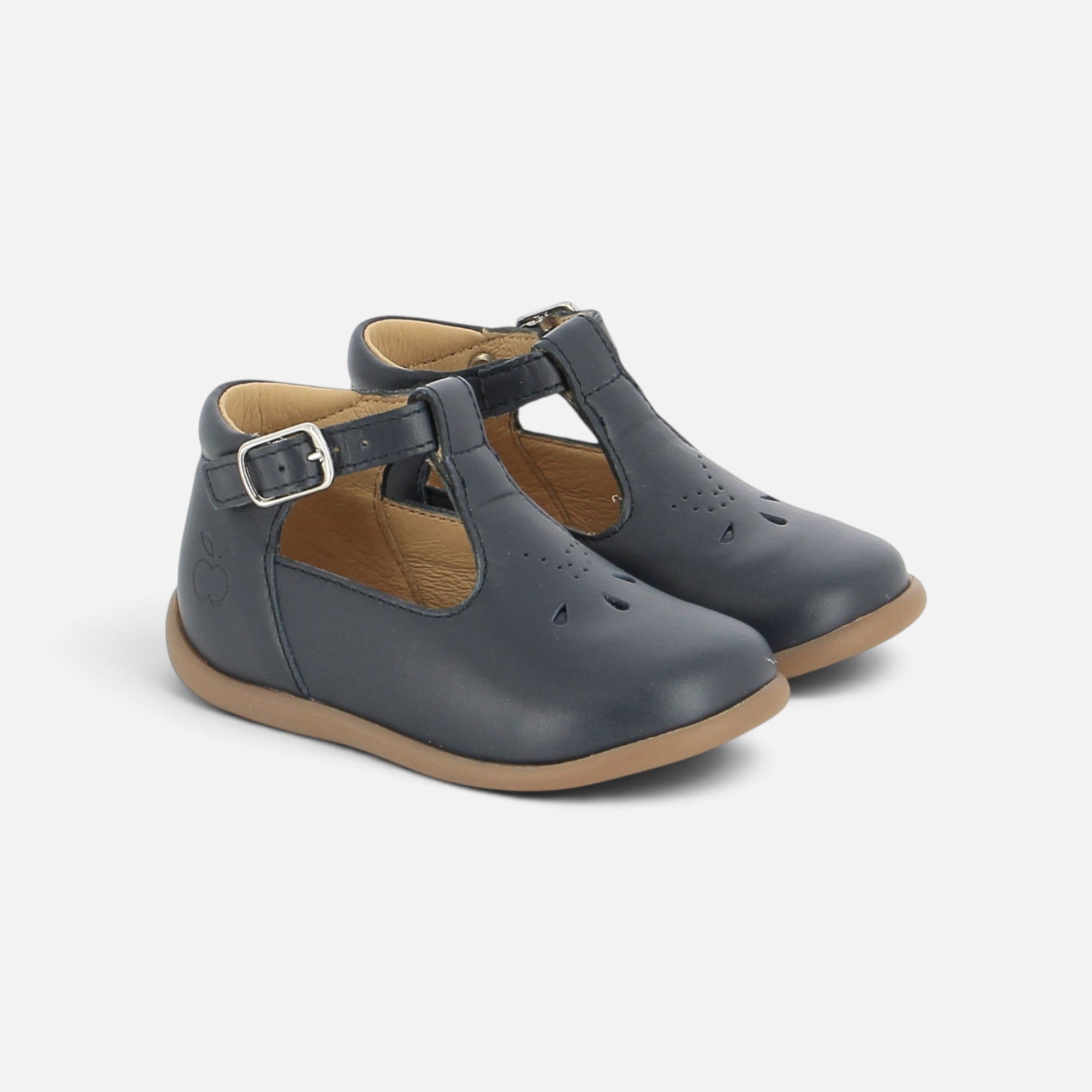
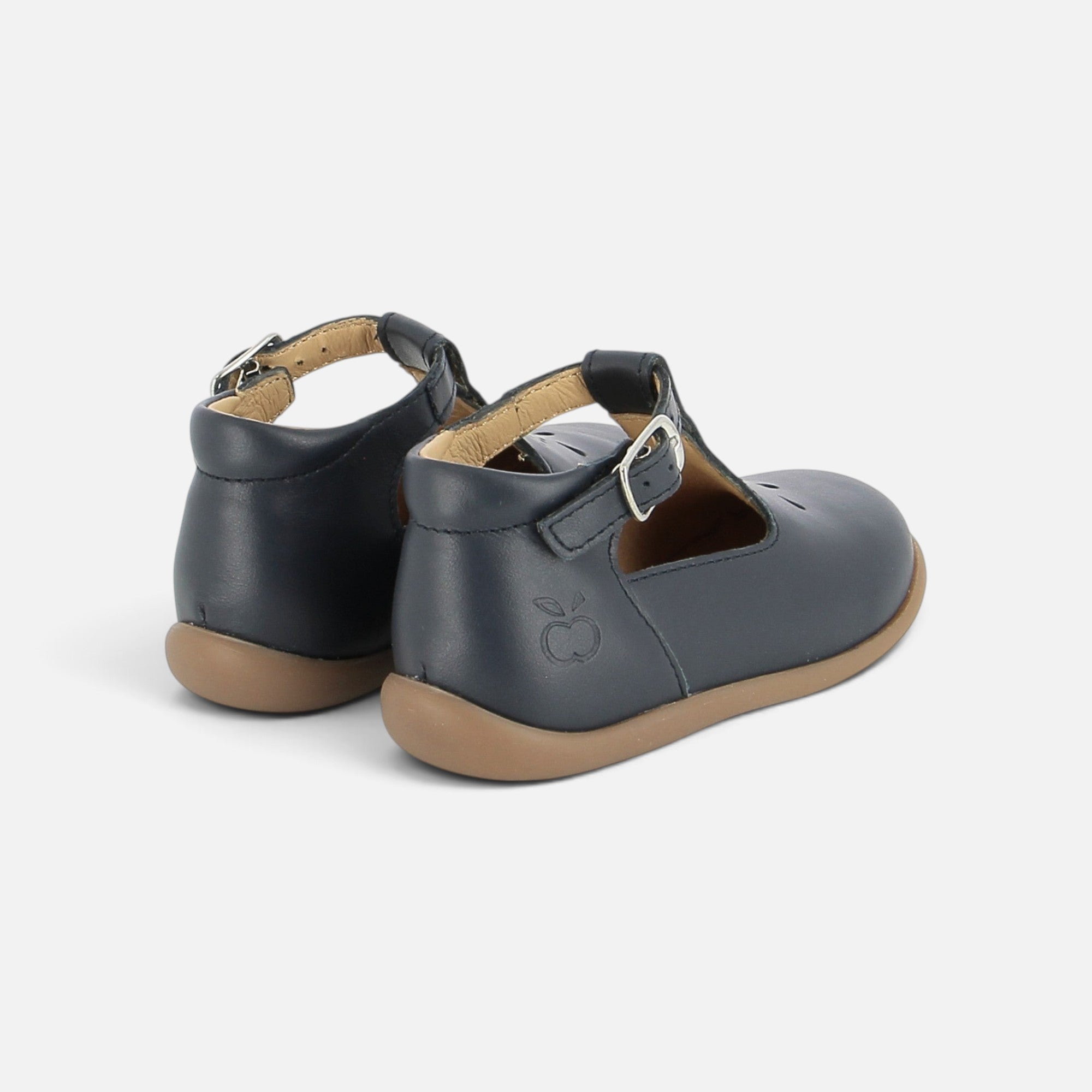
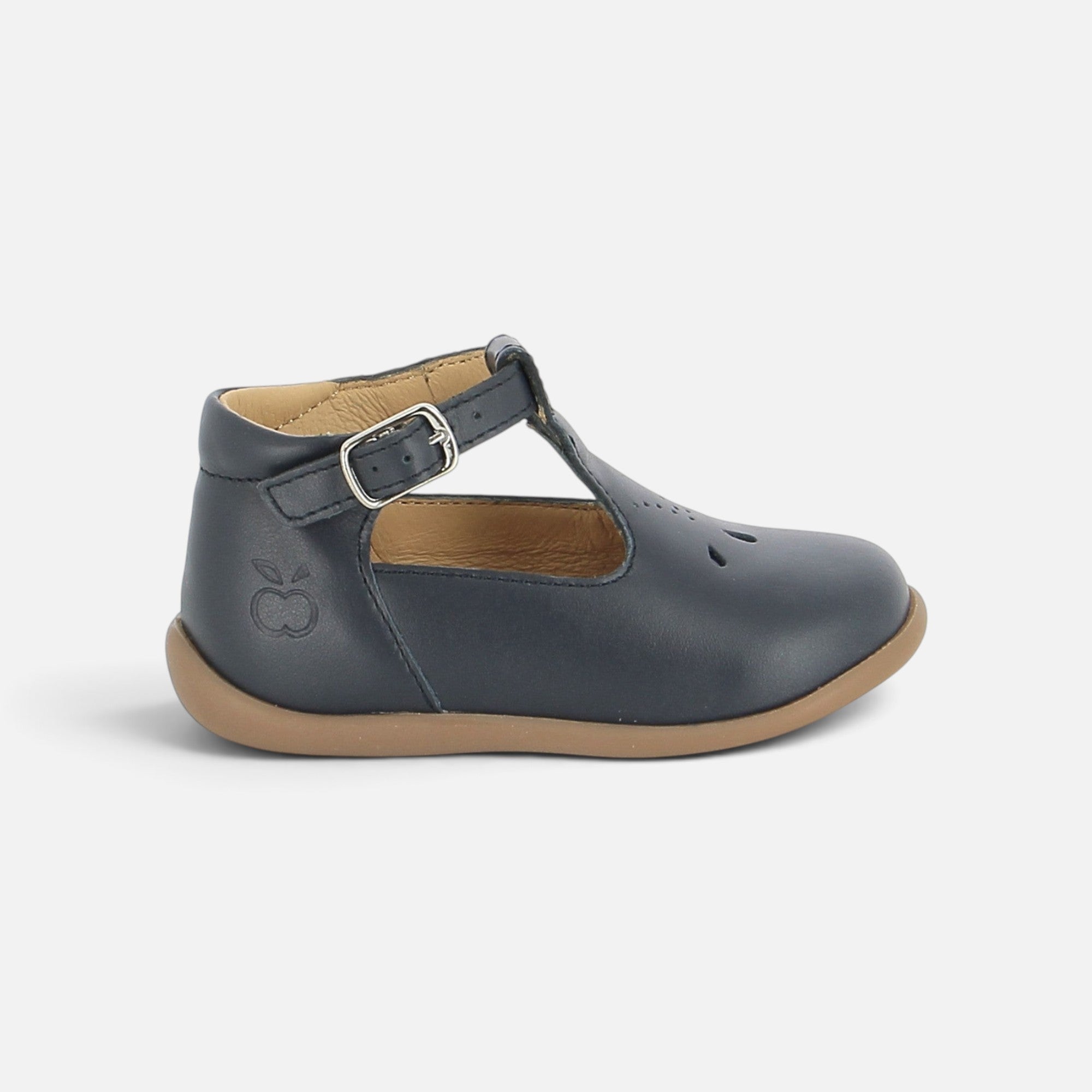
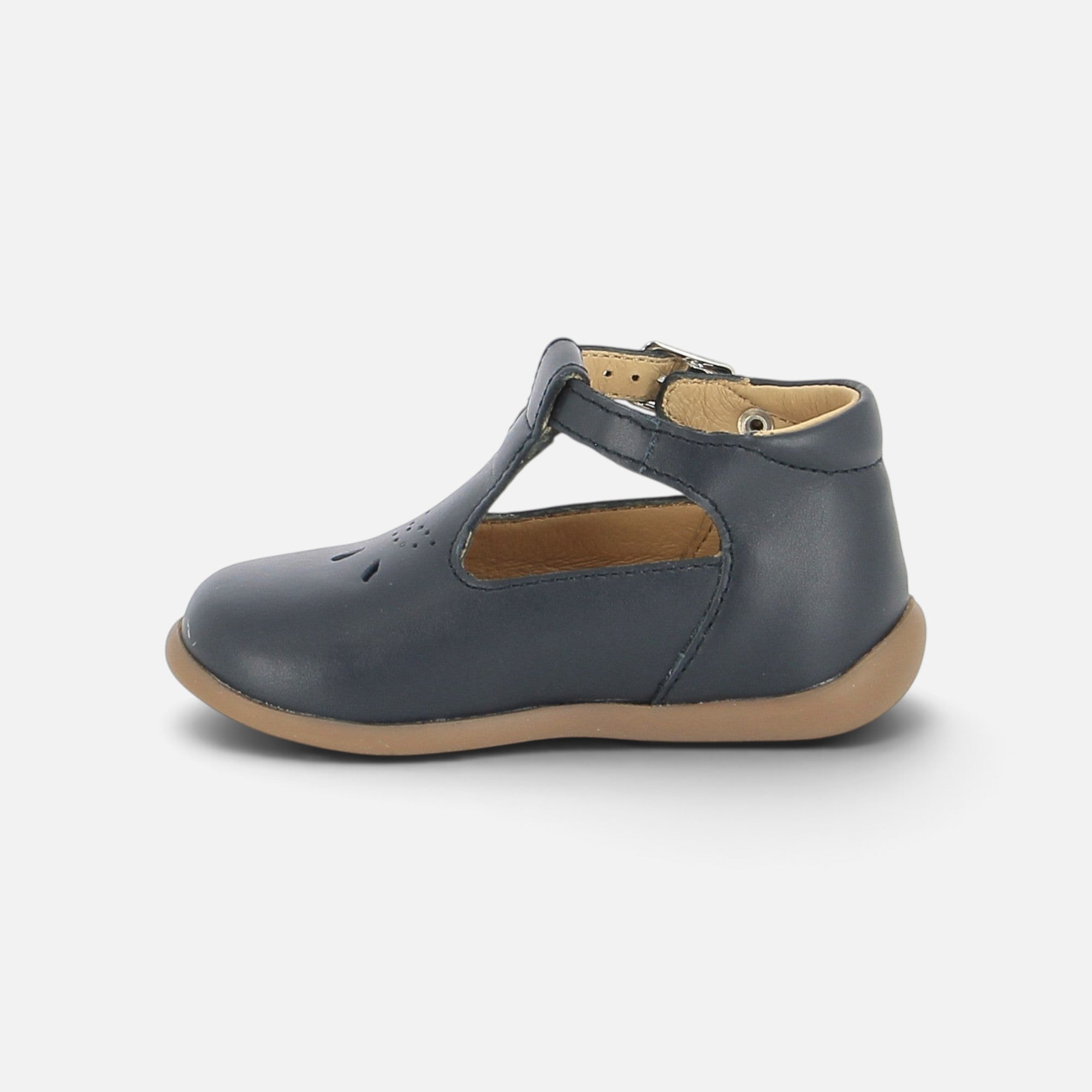
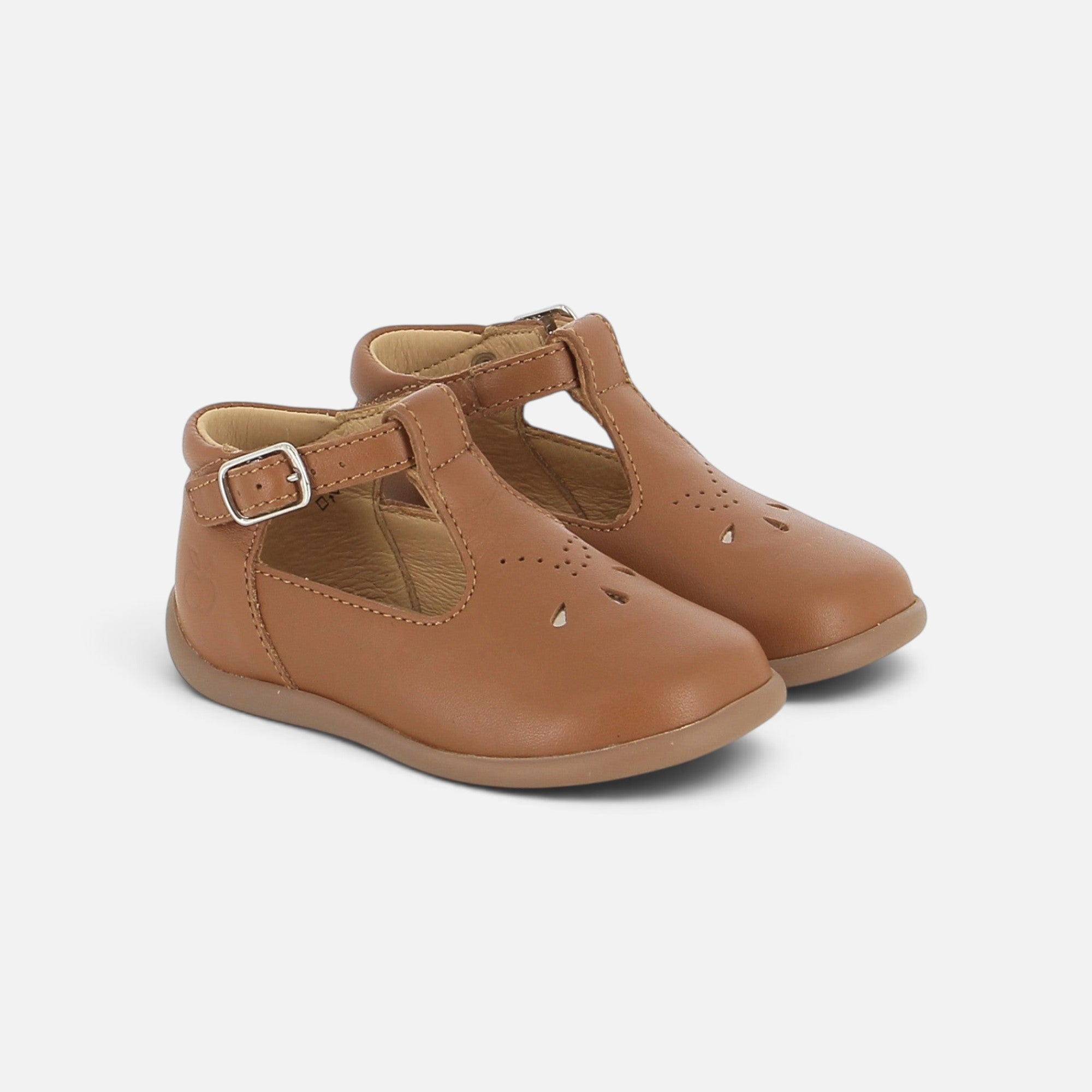
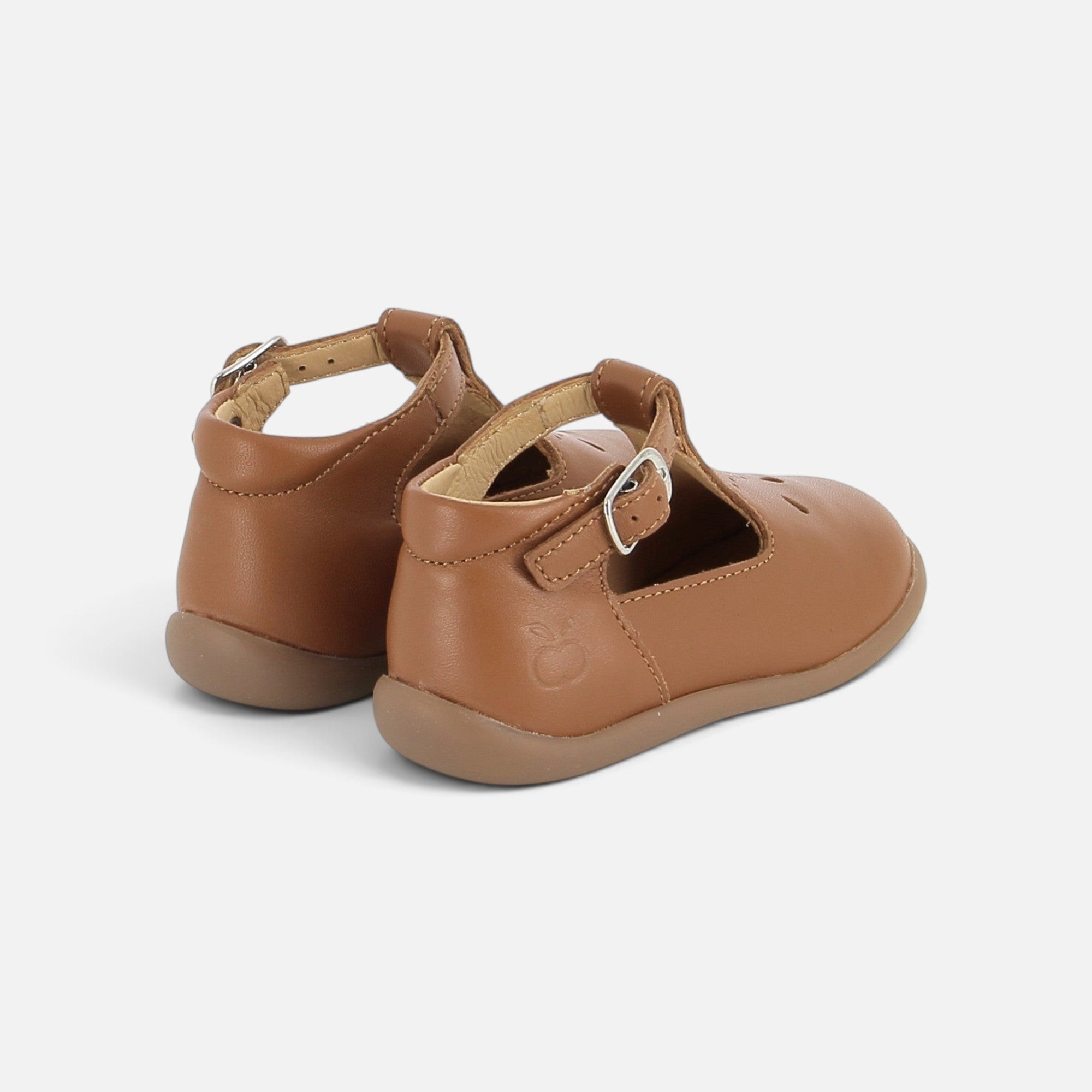
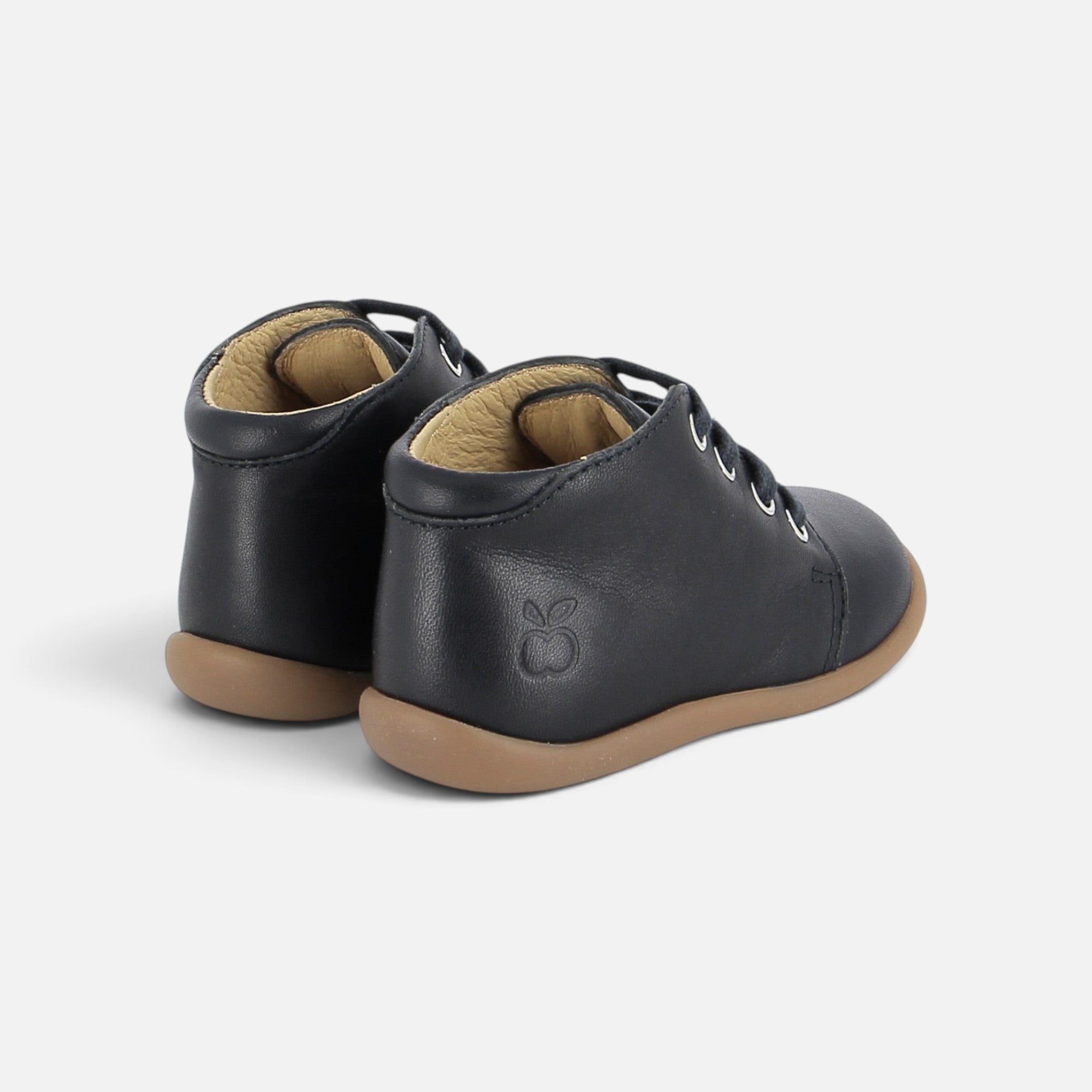
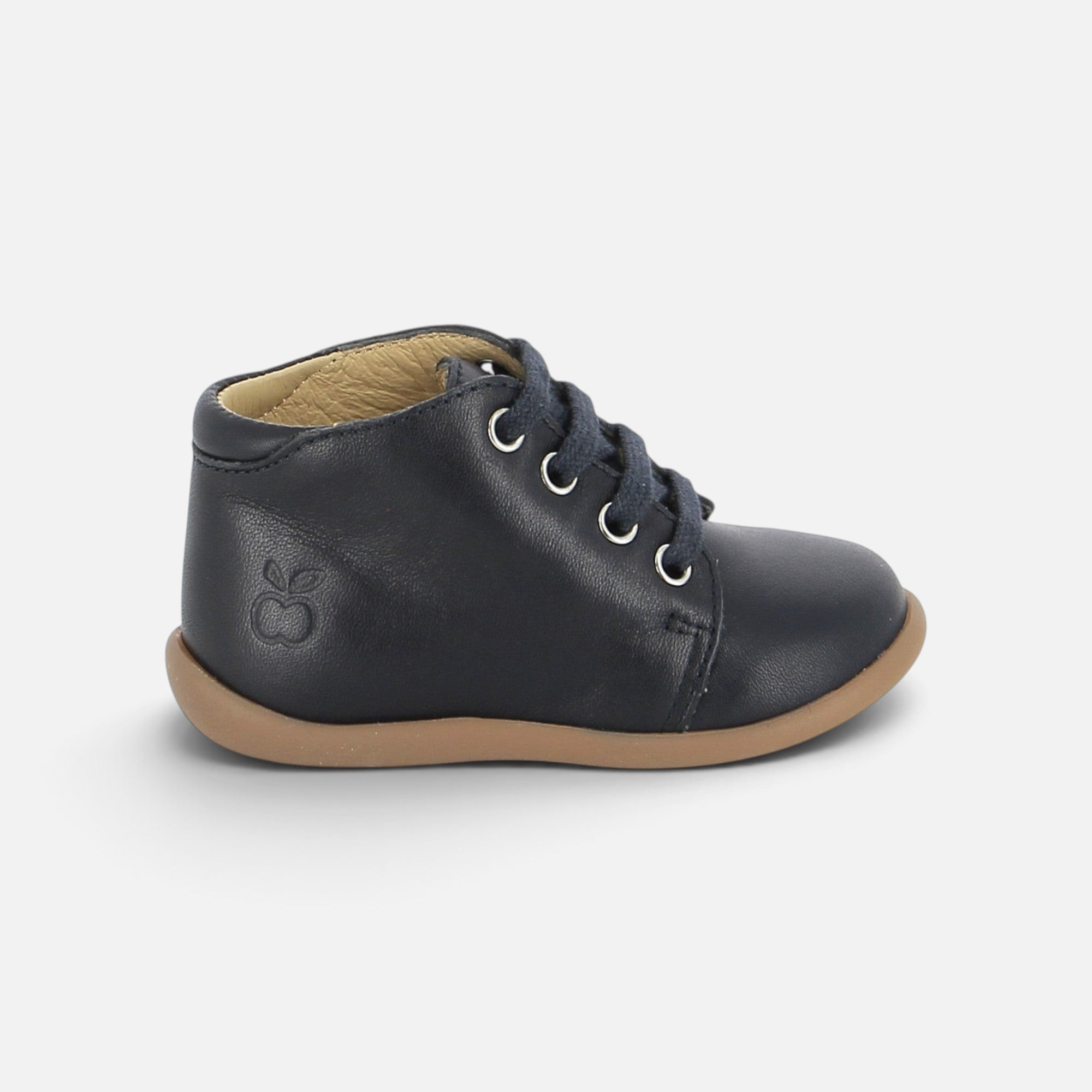
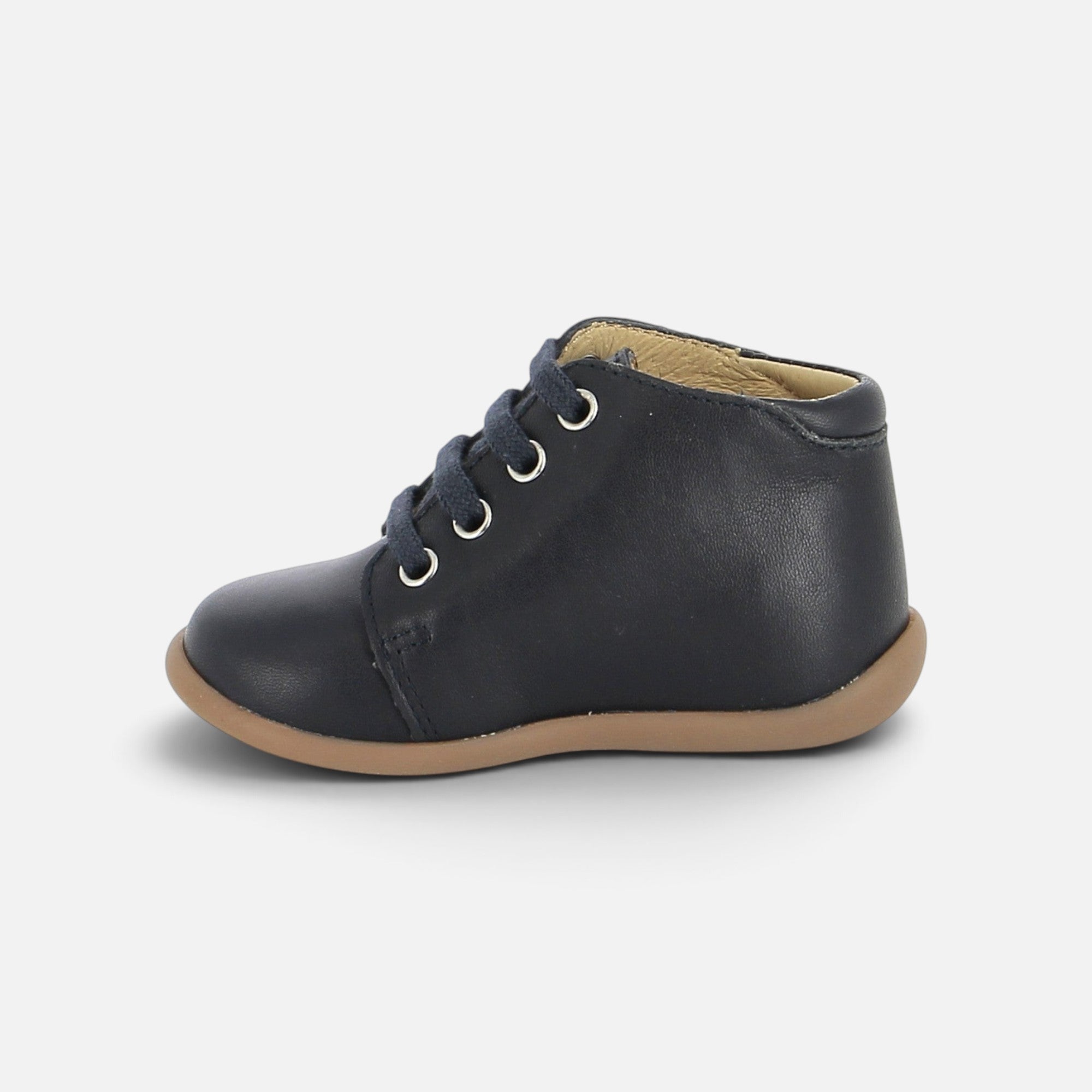
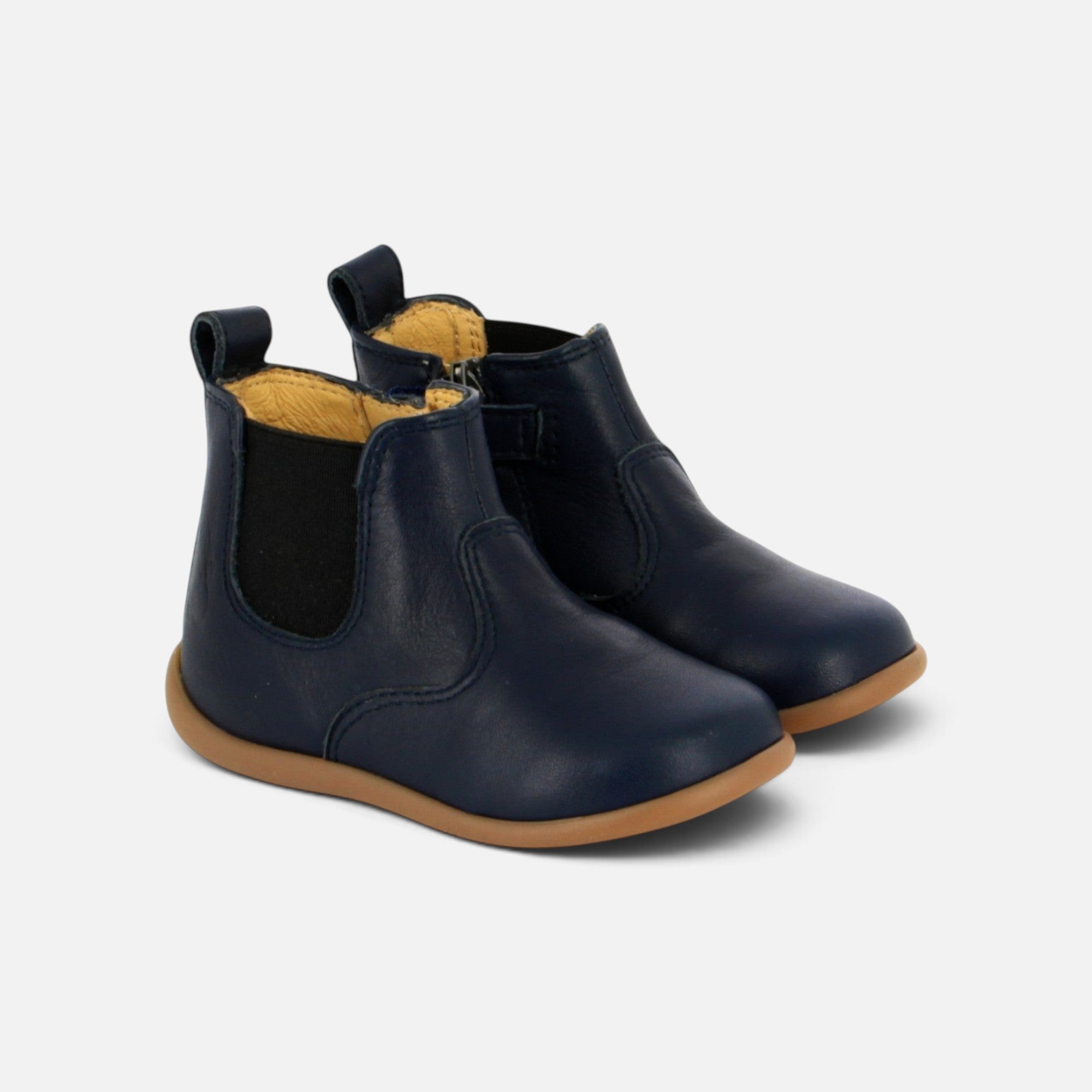
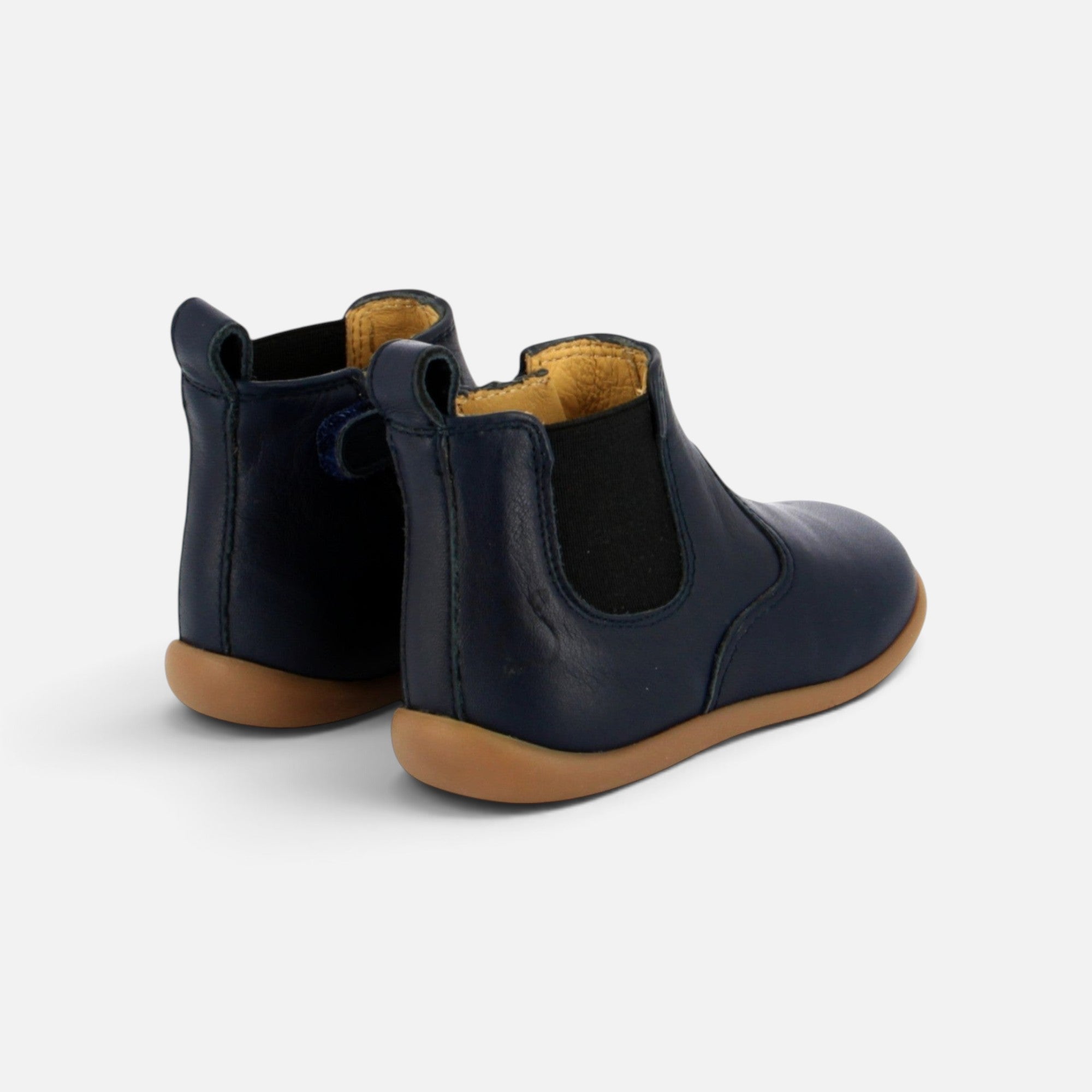
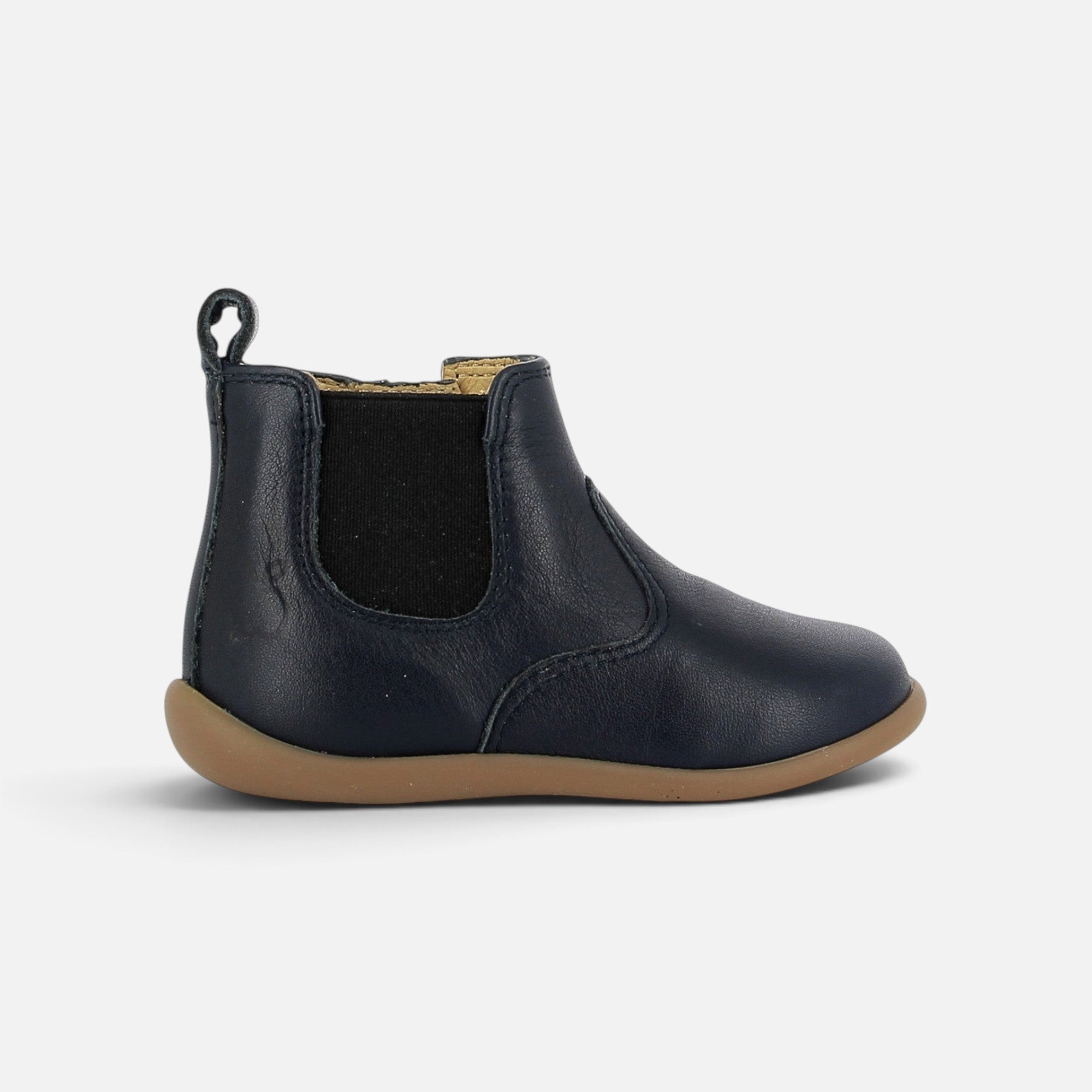
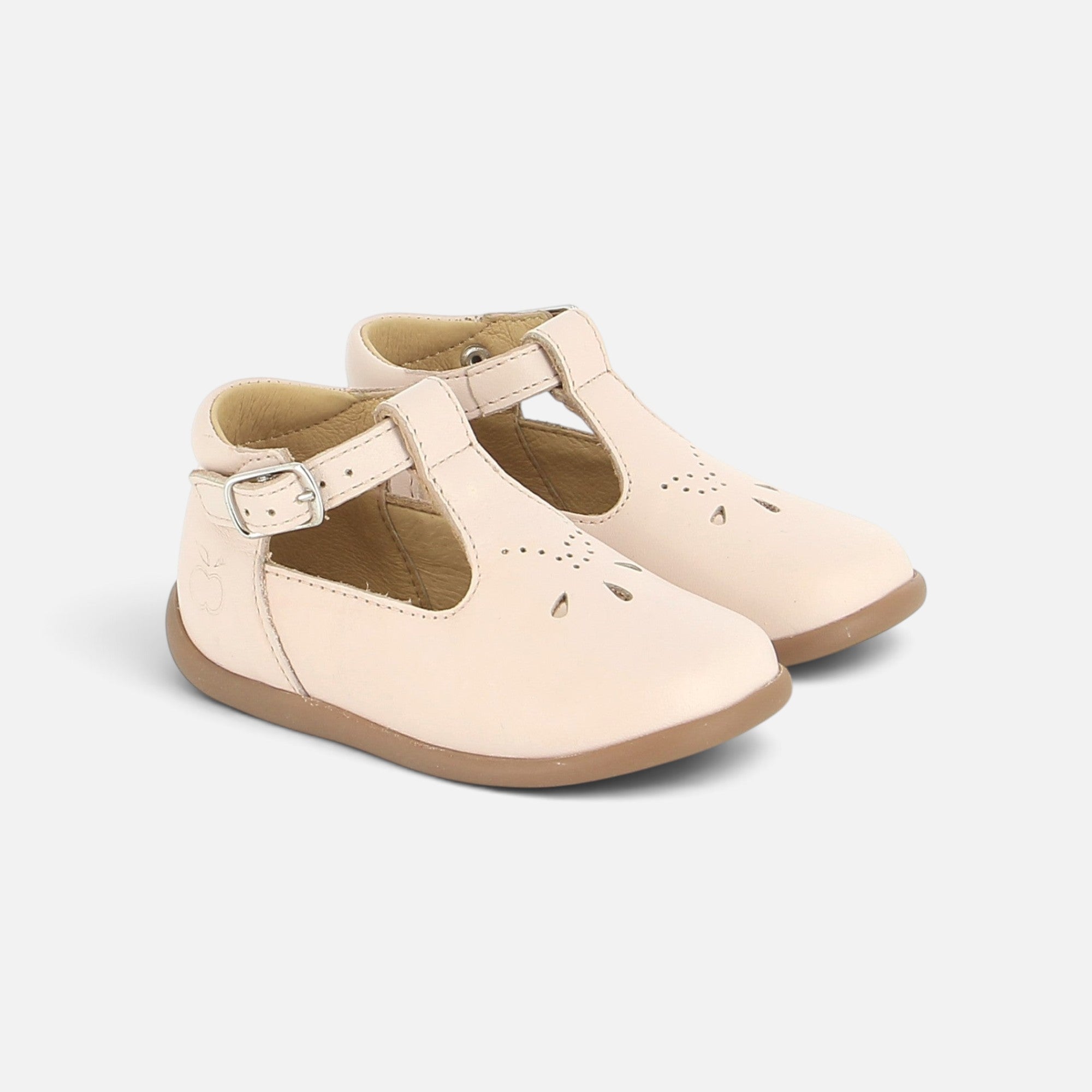
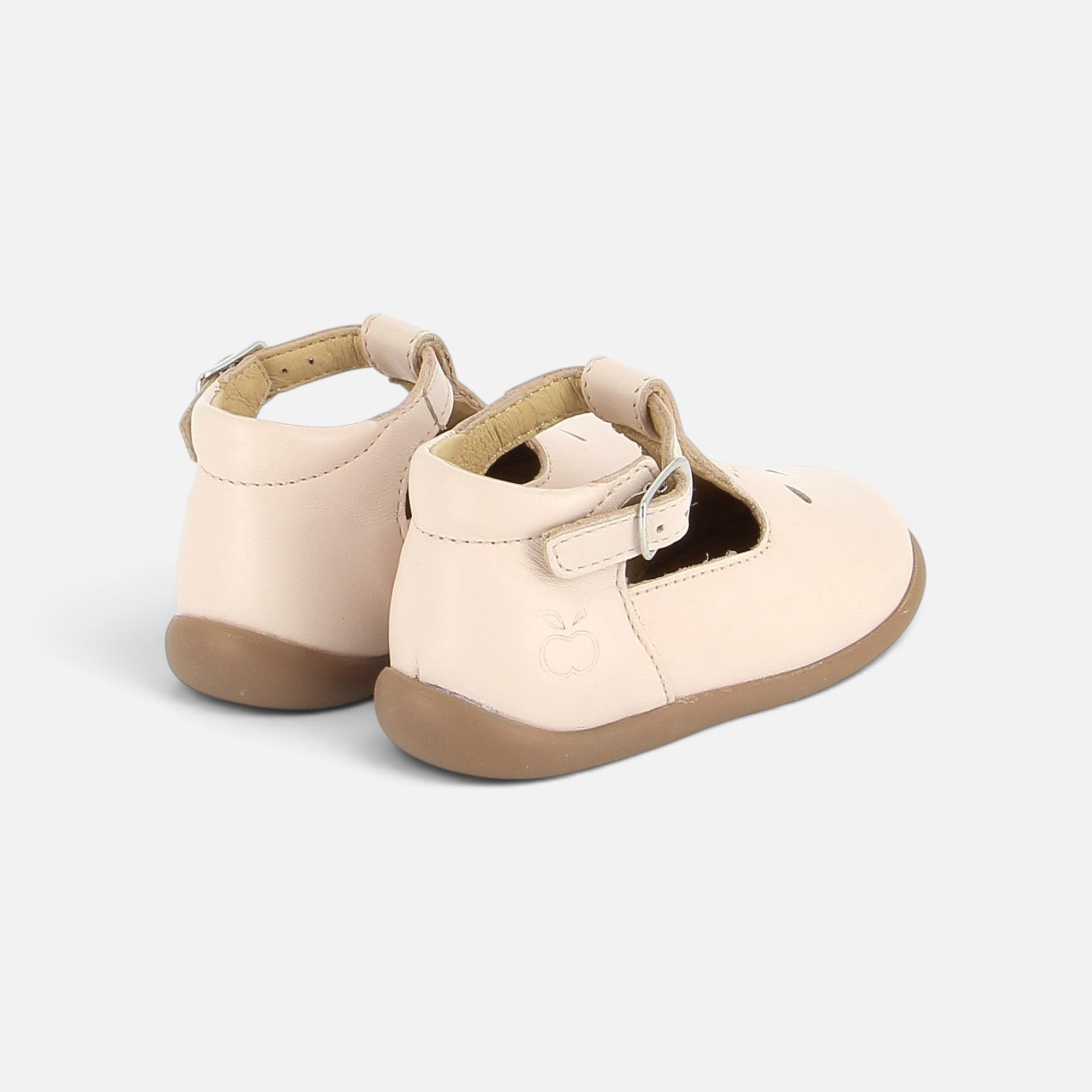
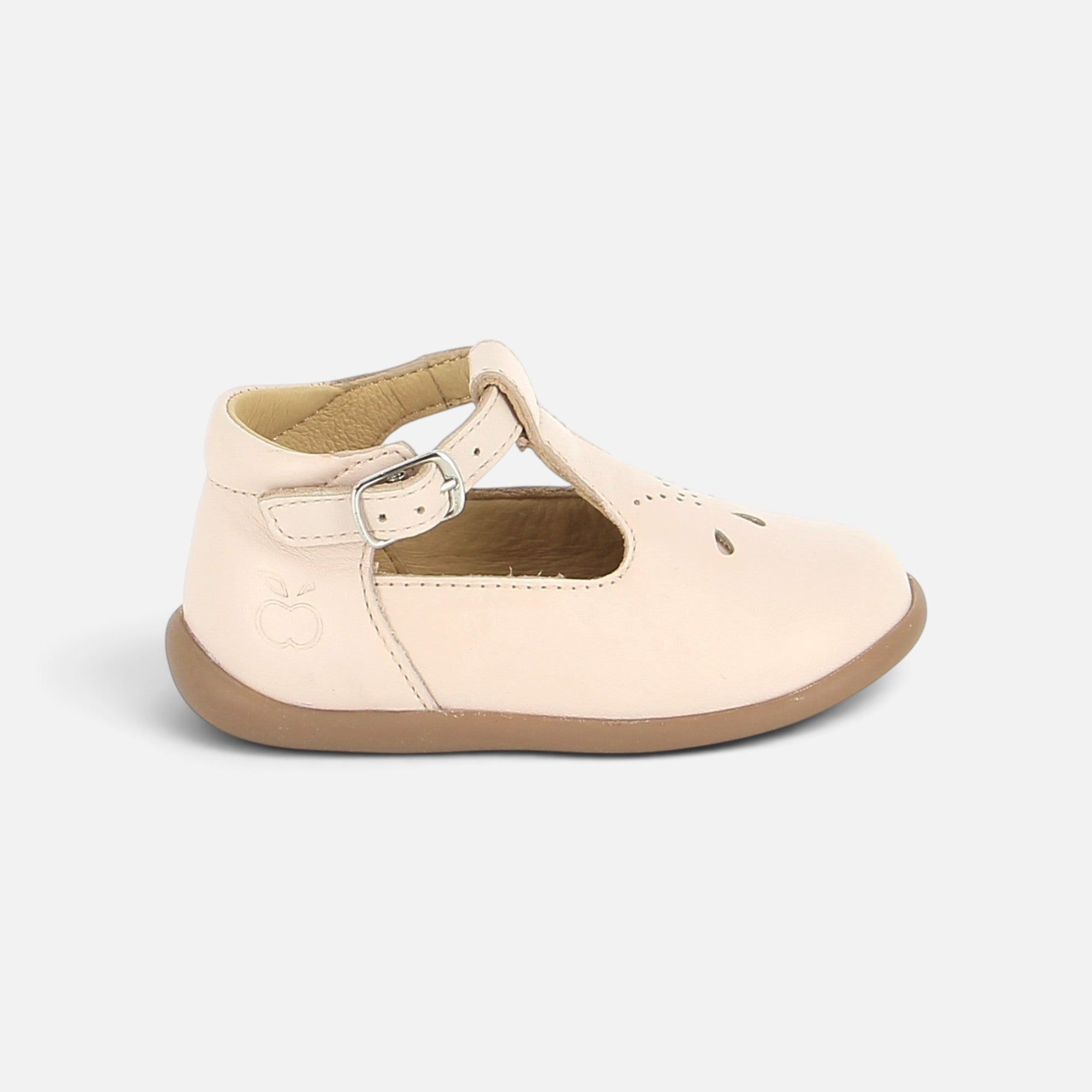
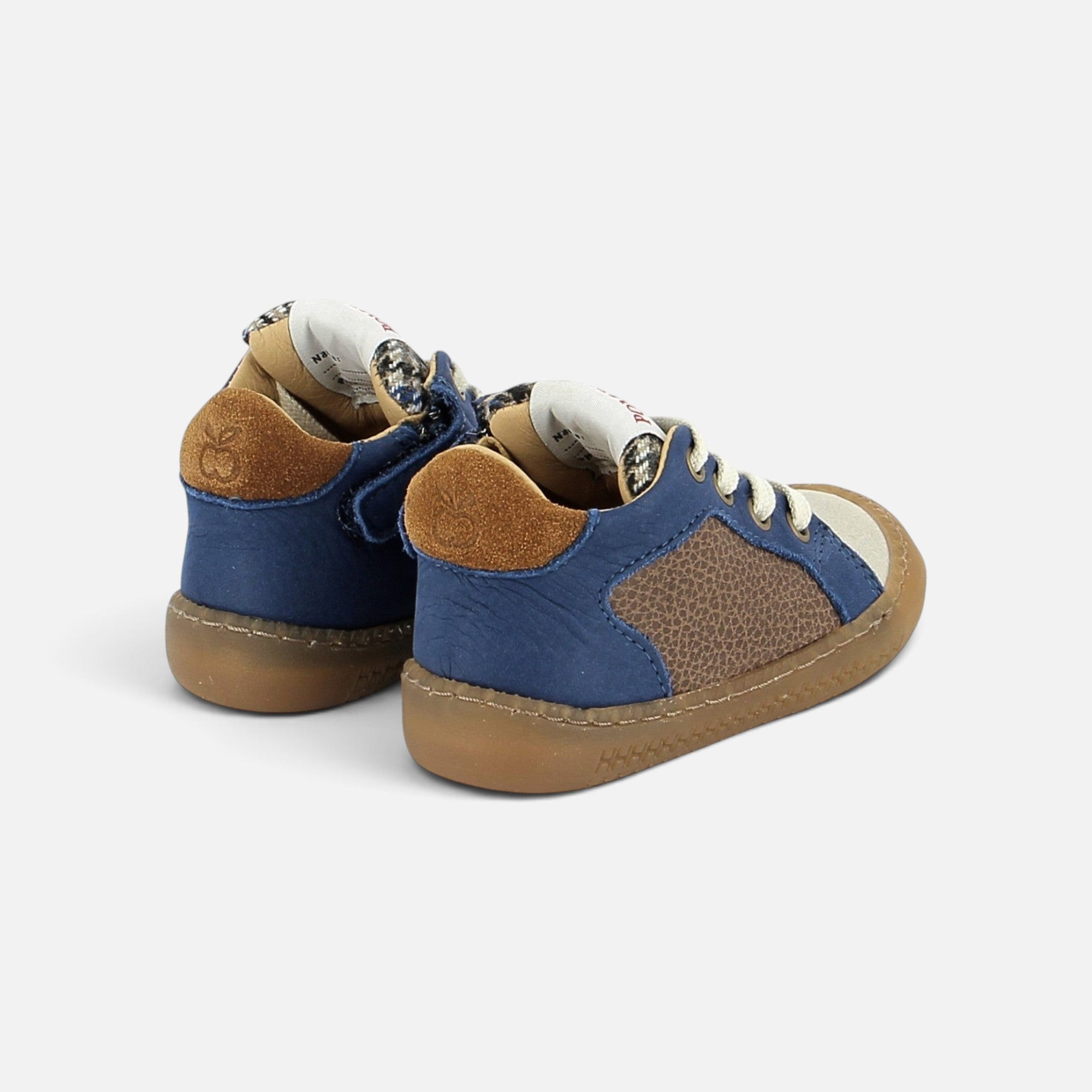
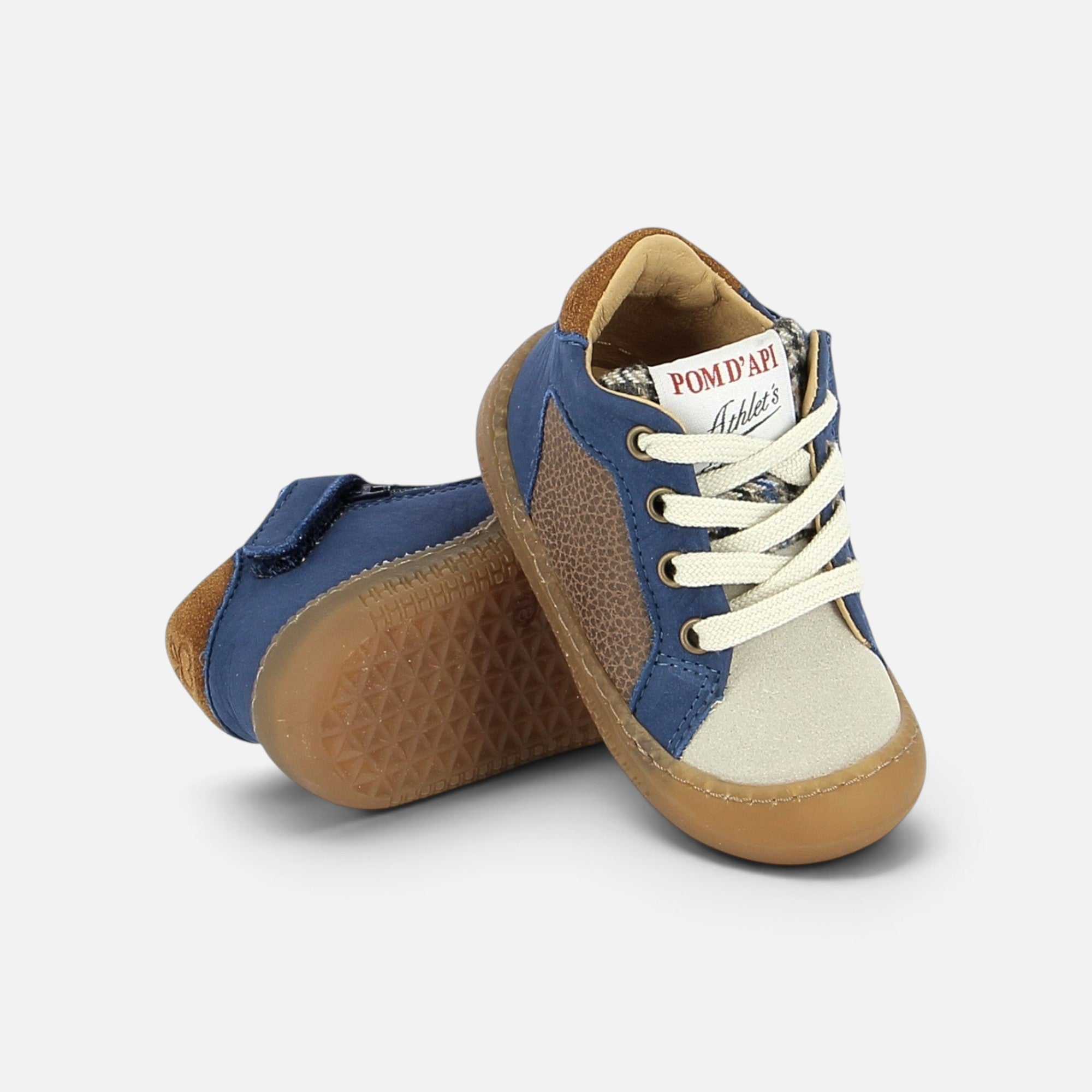
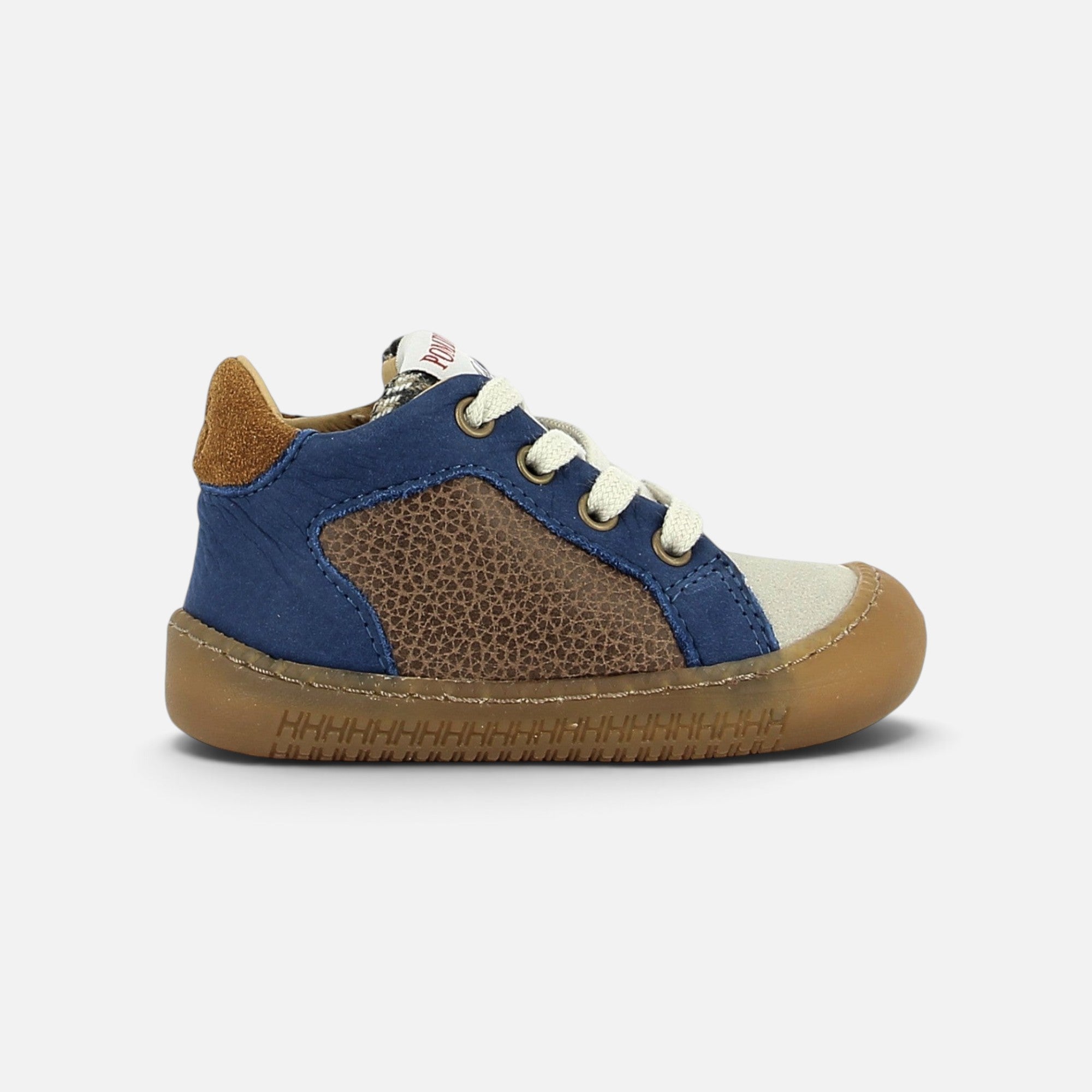
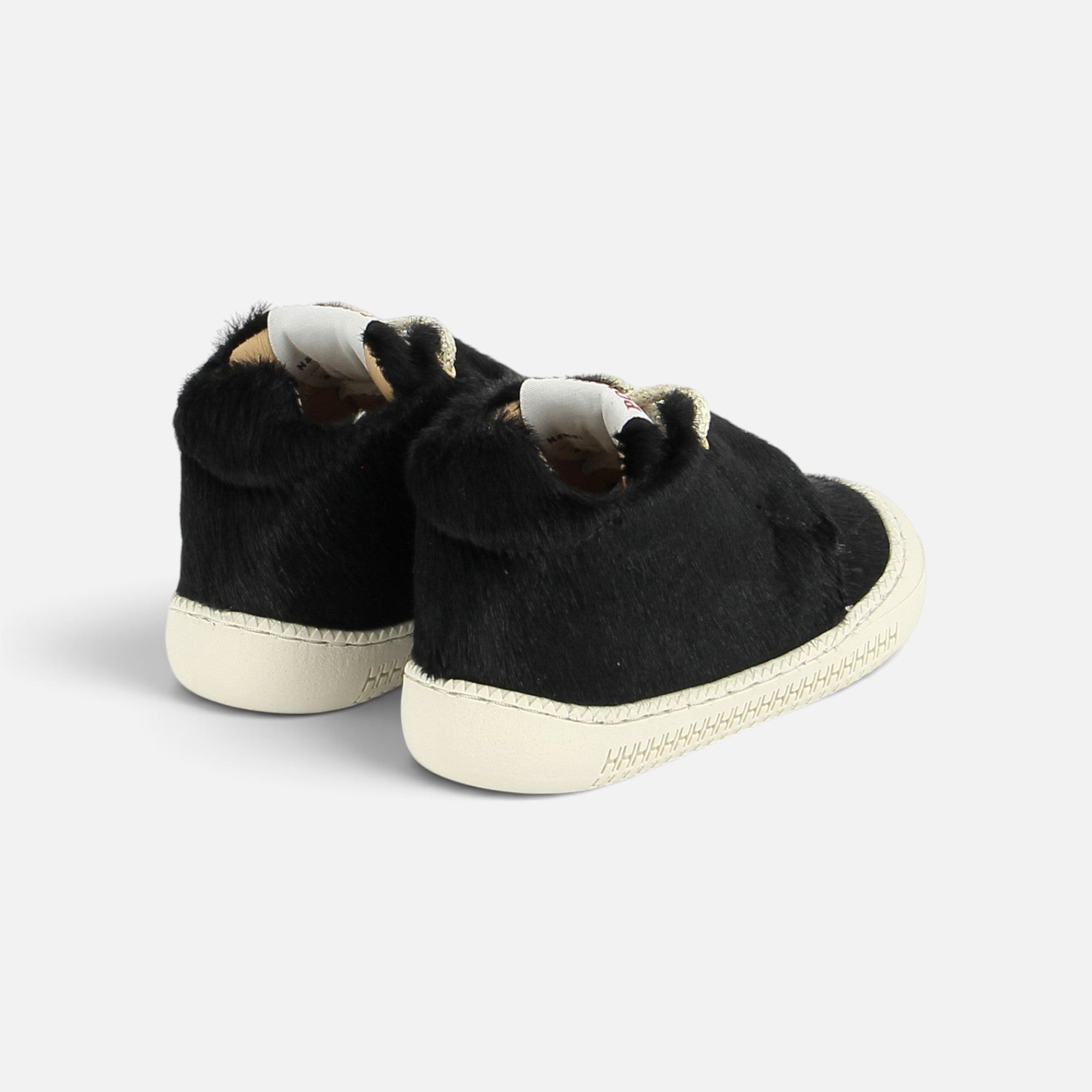
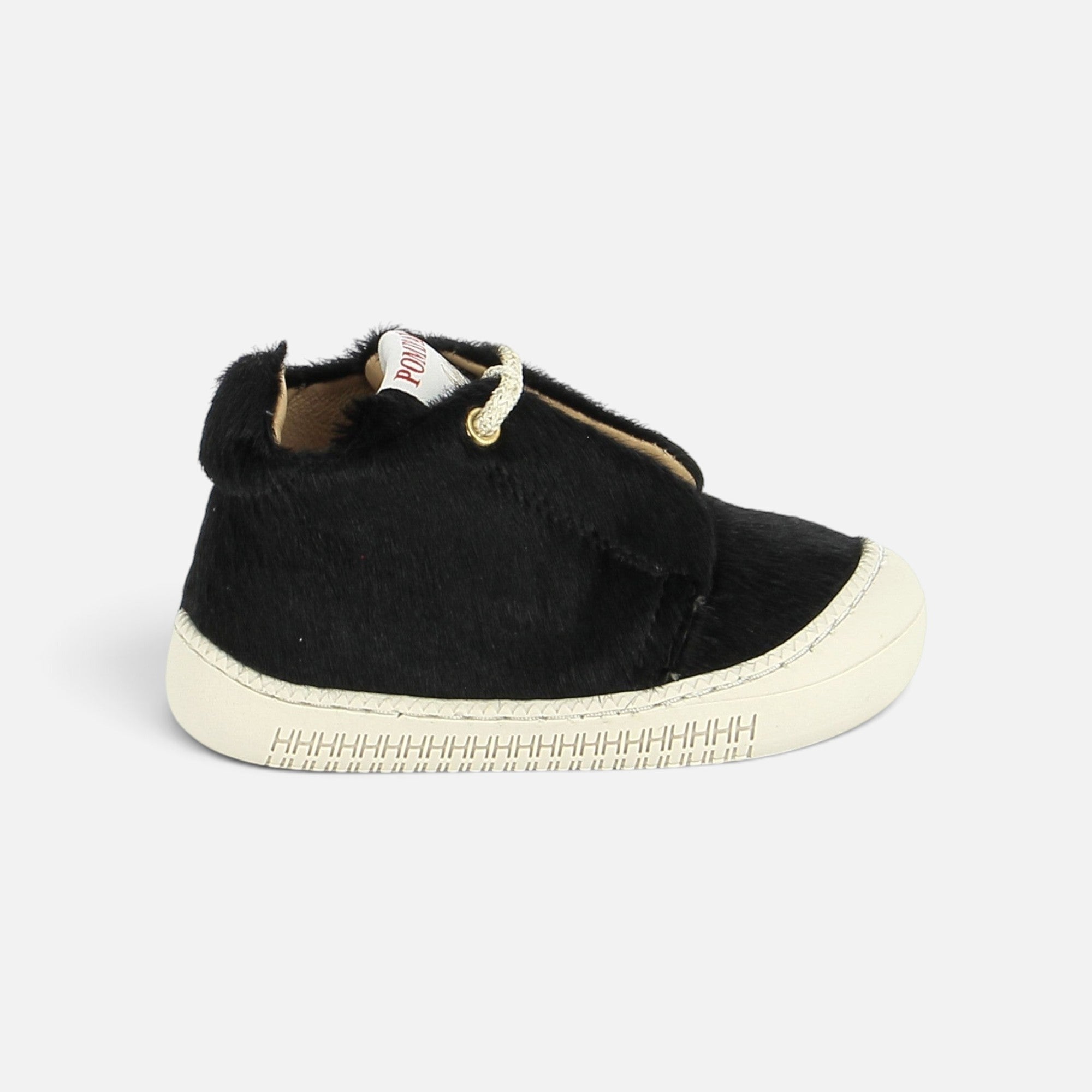
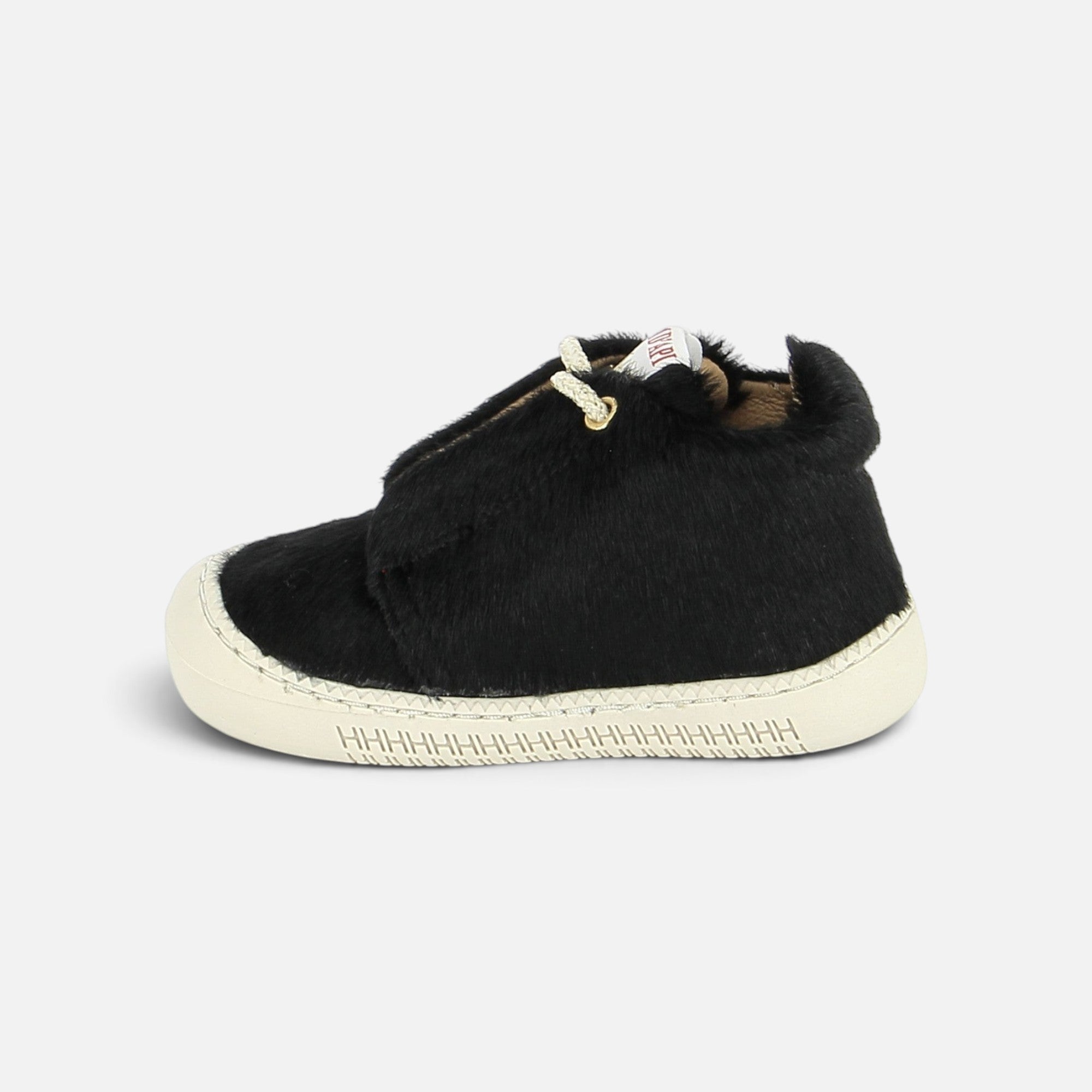
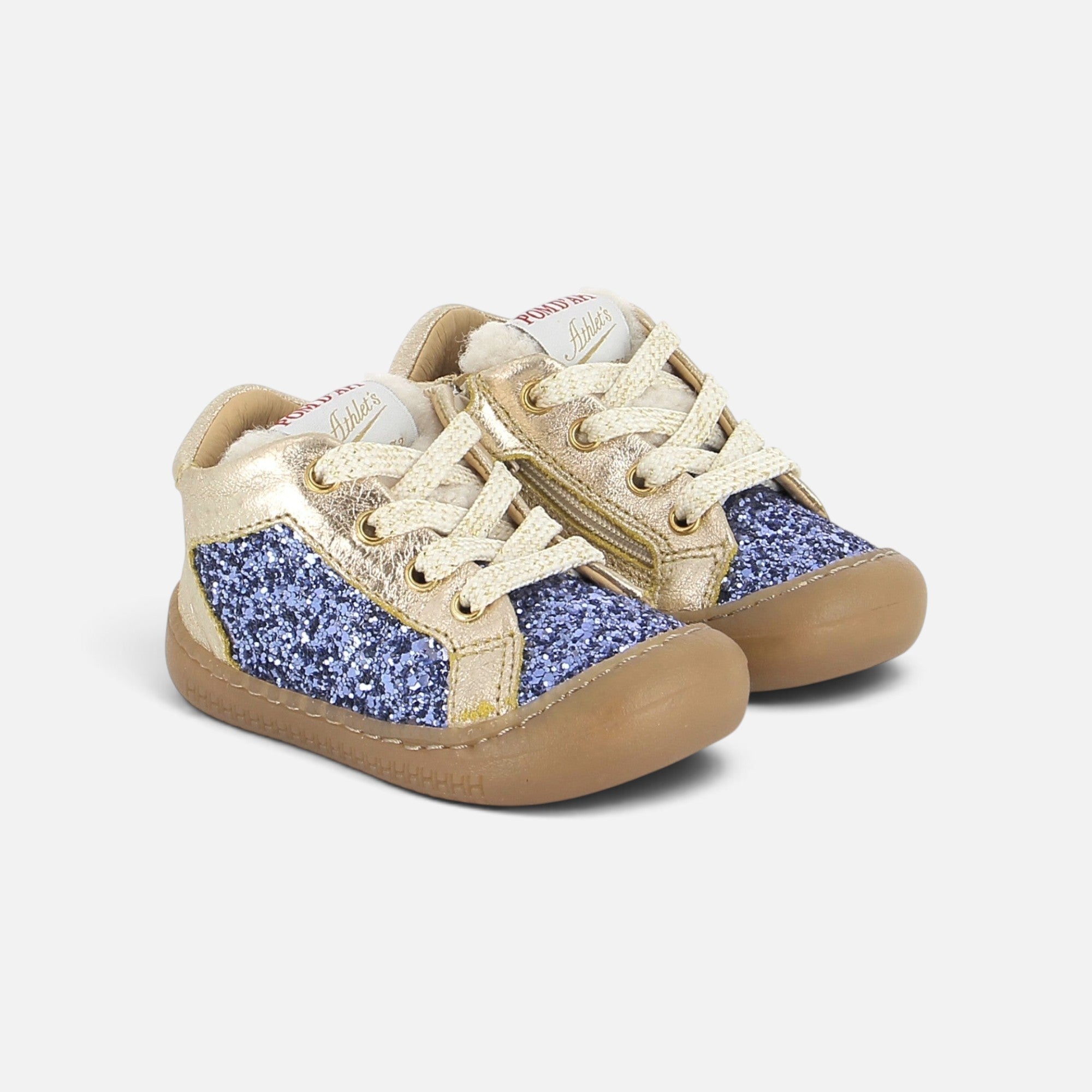
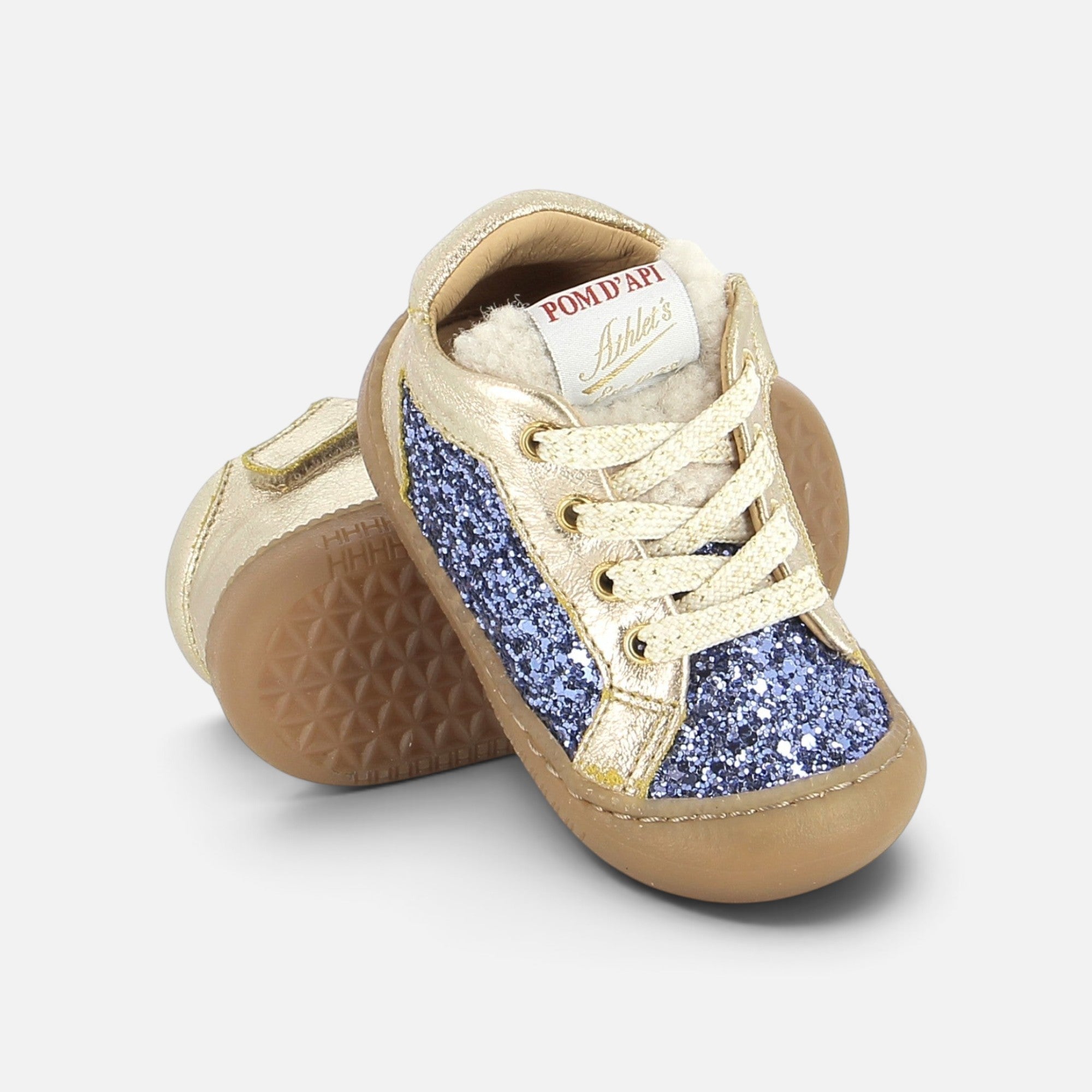
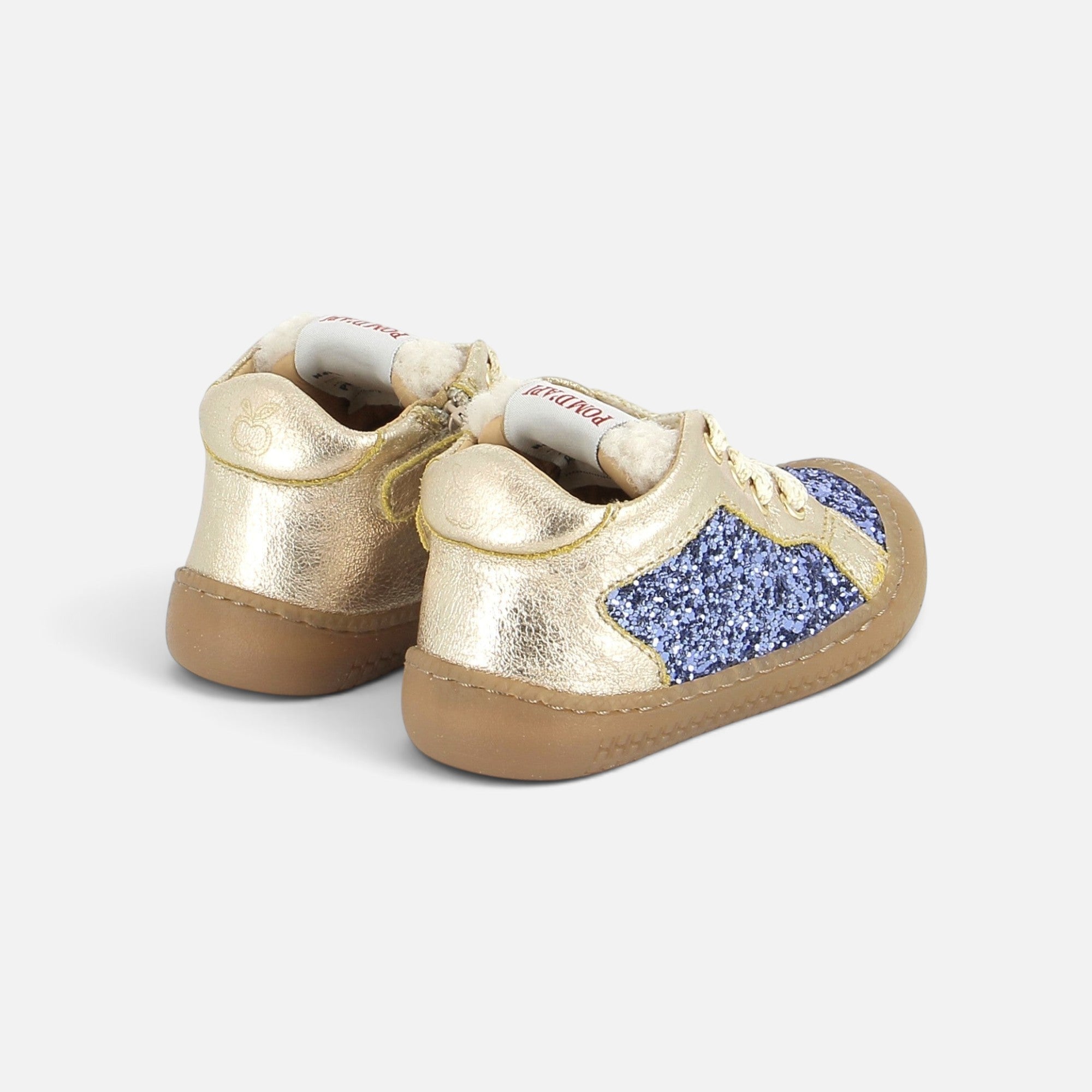
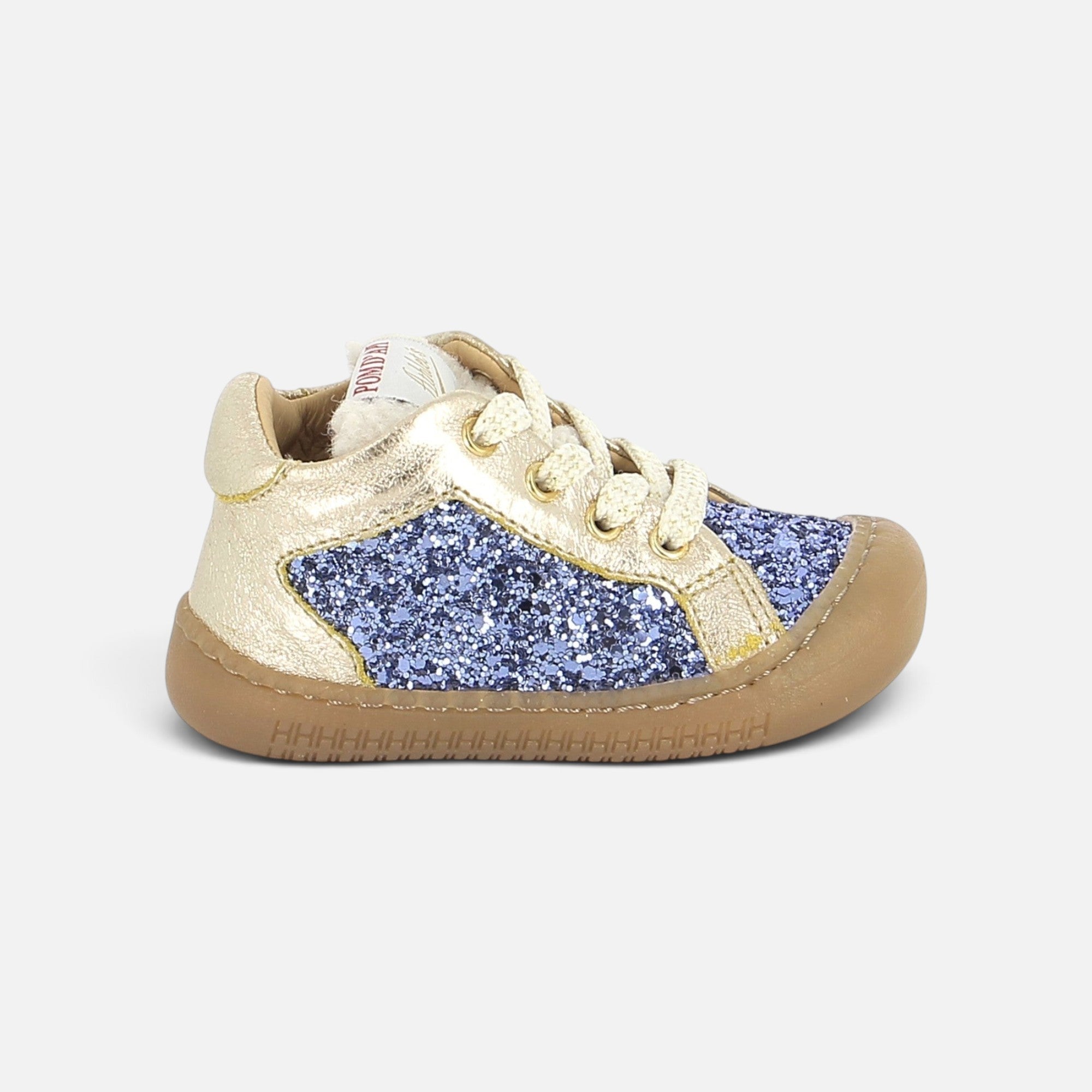
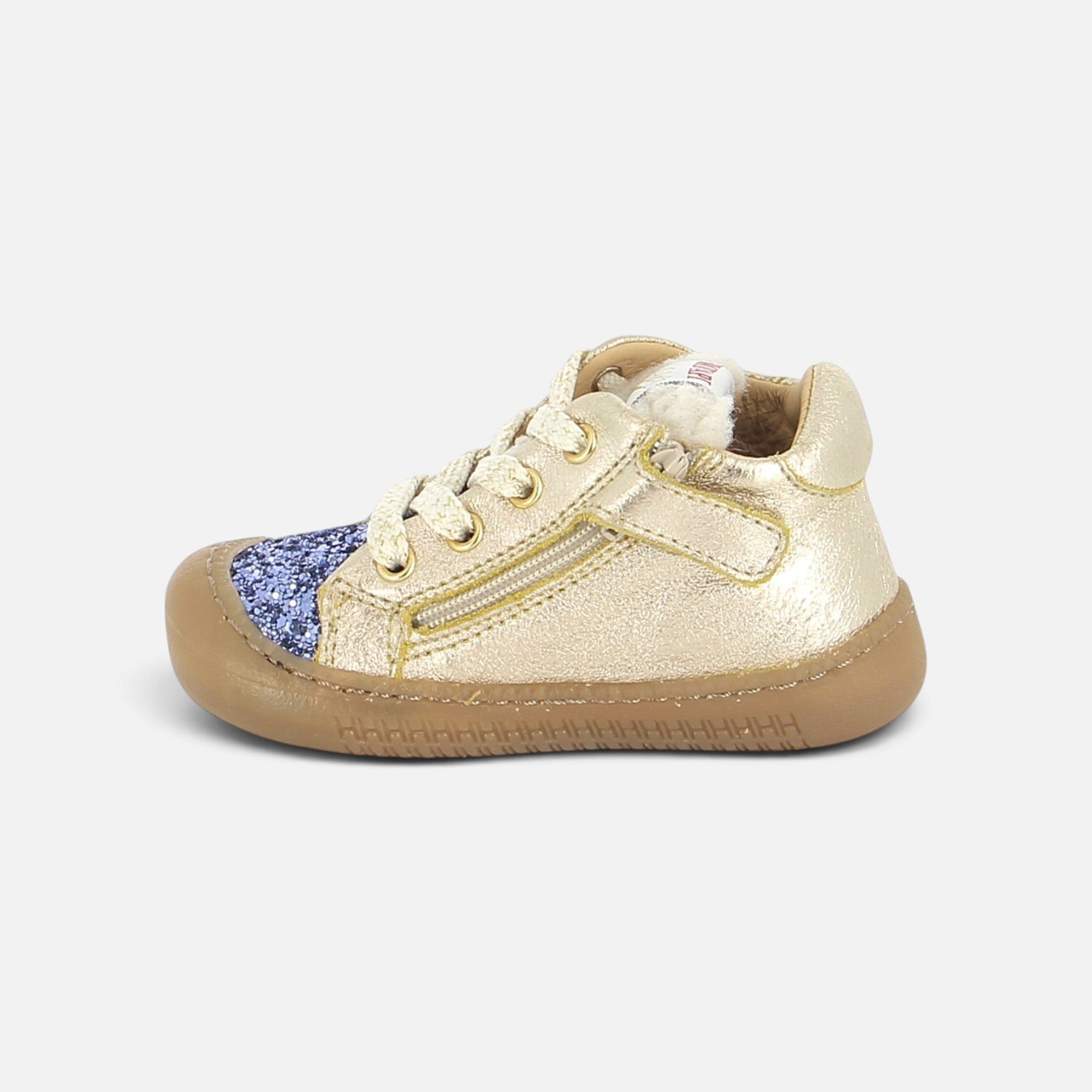
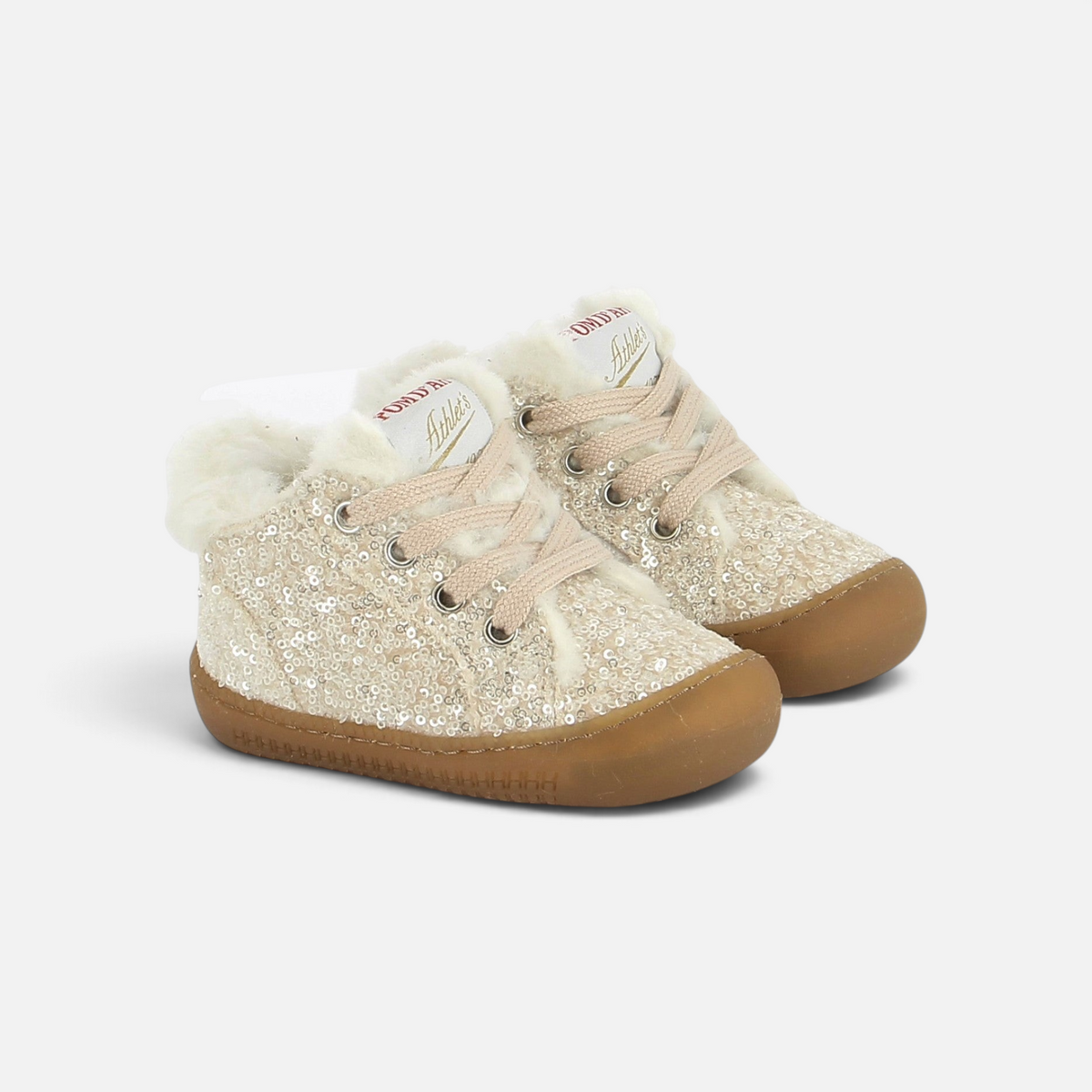
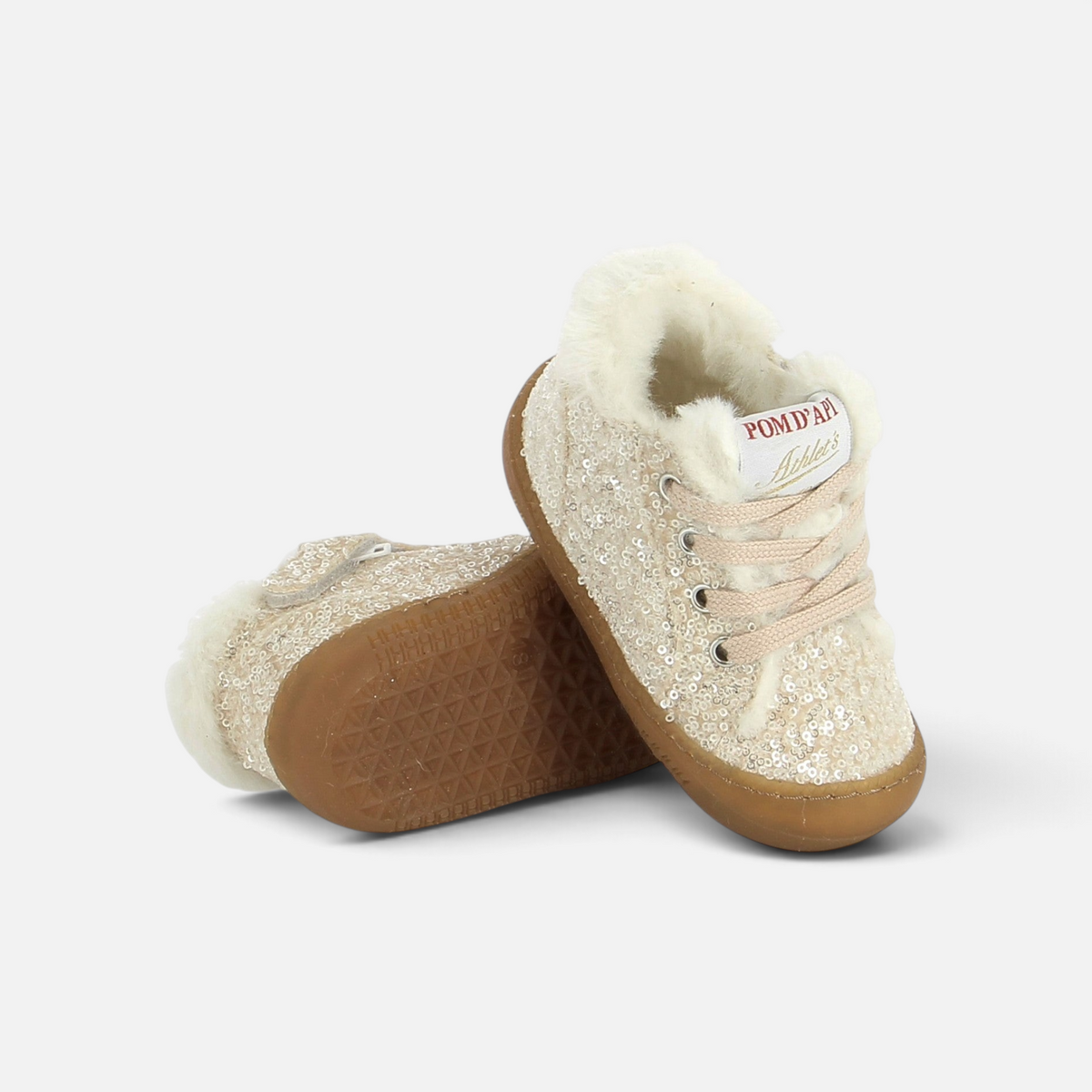
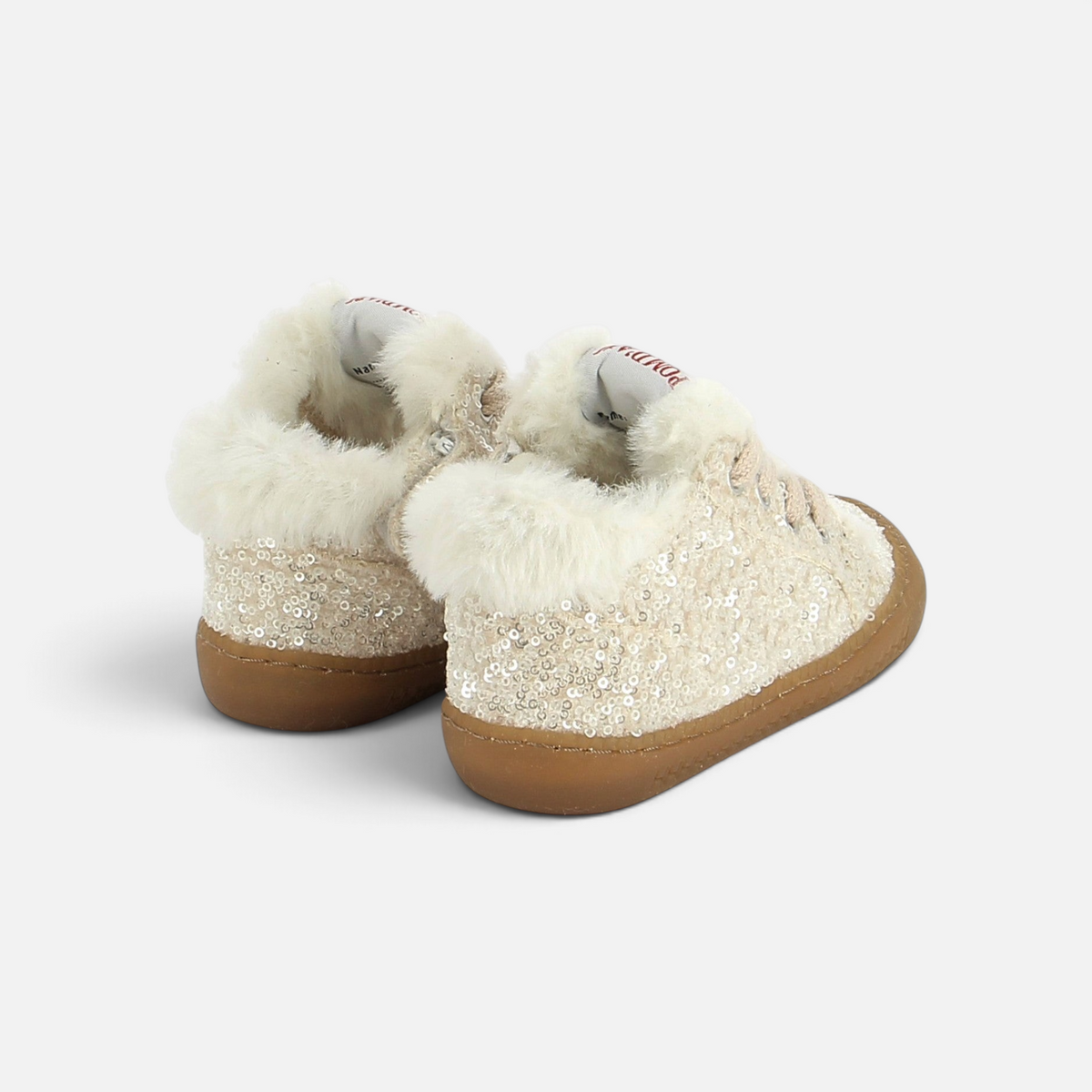
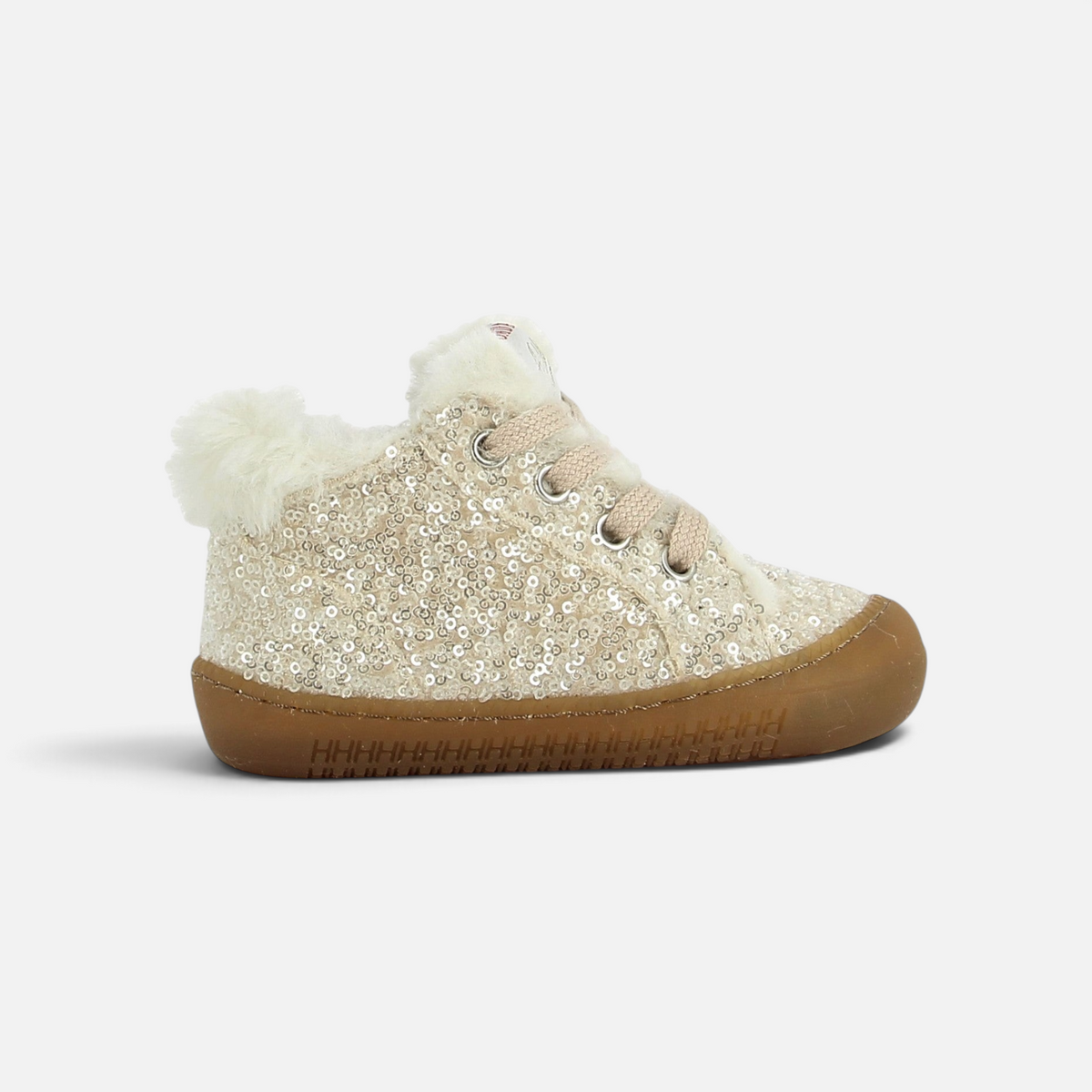
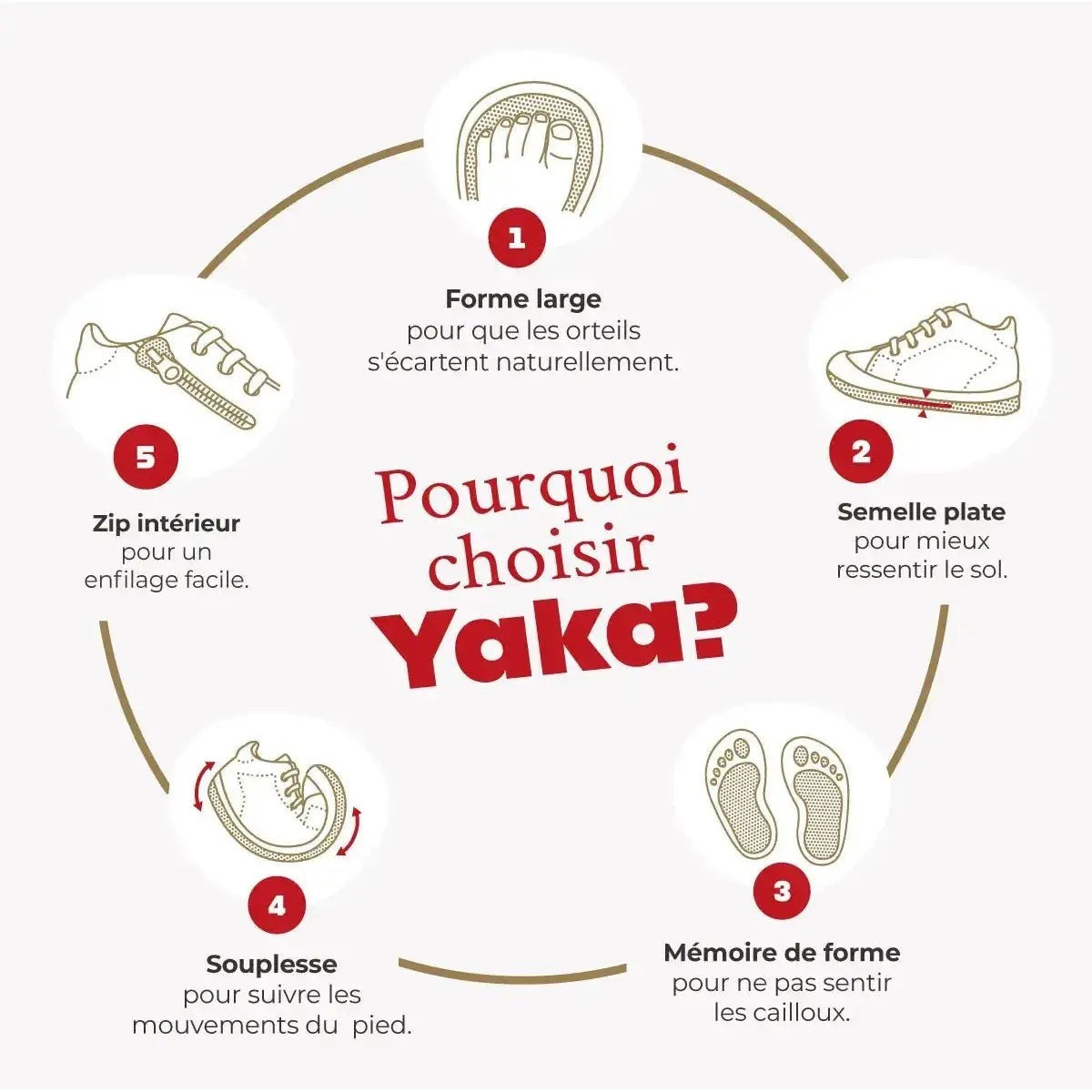
Designed with a barefoot philosophy to support a child’s first steps, the Yaka model is flexible and lightweight. It provides protection while respecting the foot’s natural physiology to recreate the sensation of walking barefoot. The flexibility is multidirectional and adapts to every movement.
Discover its other benefits!
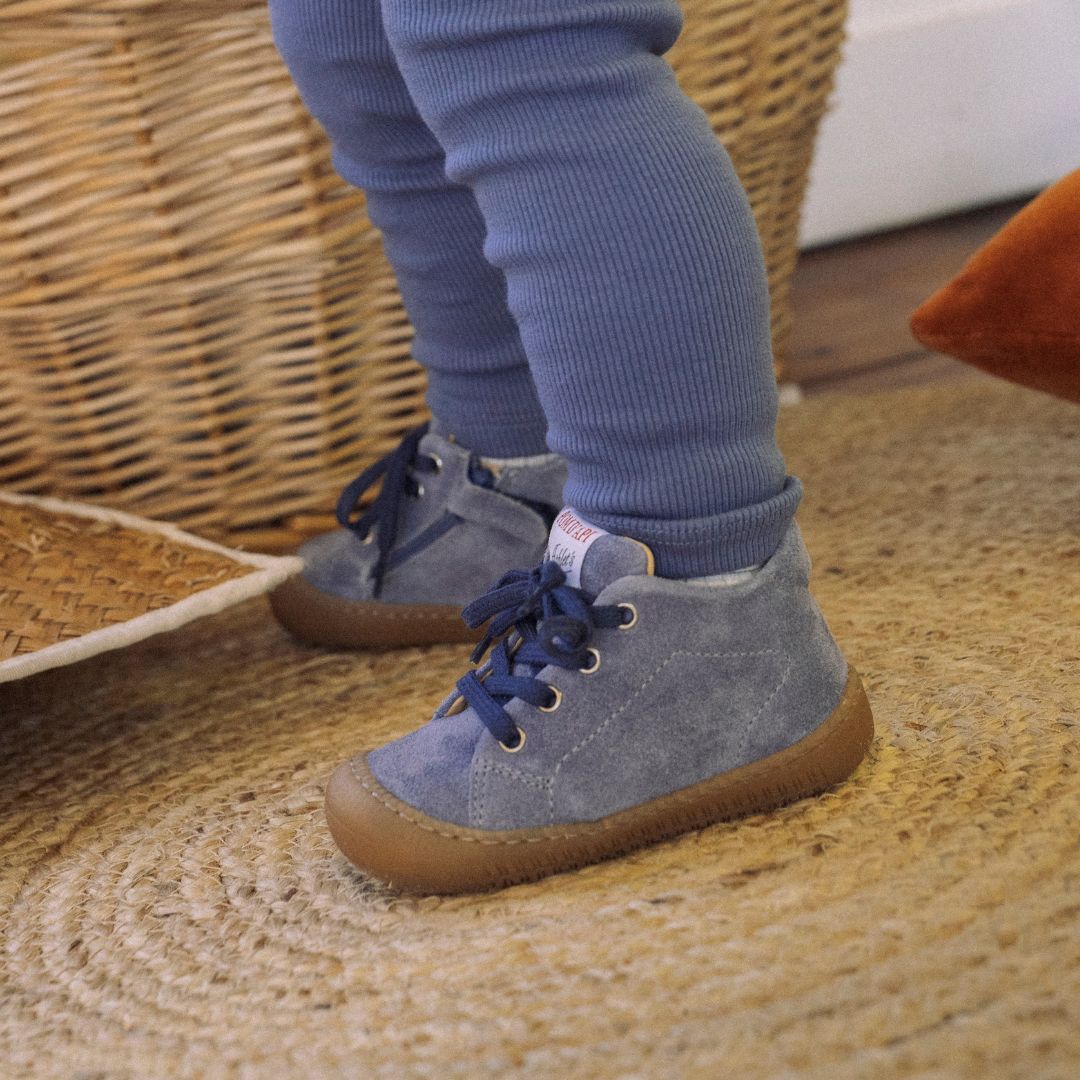
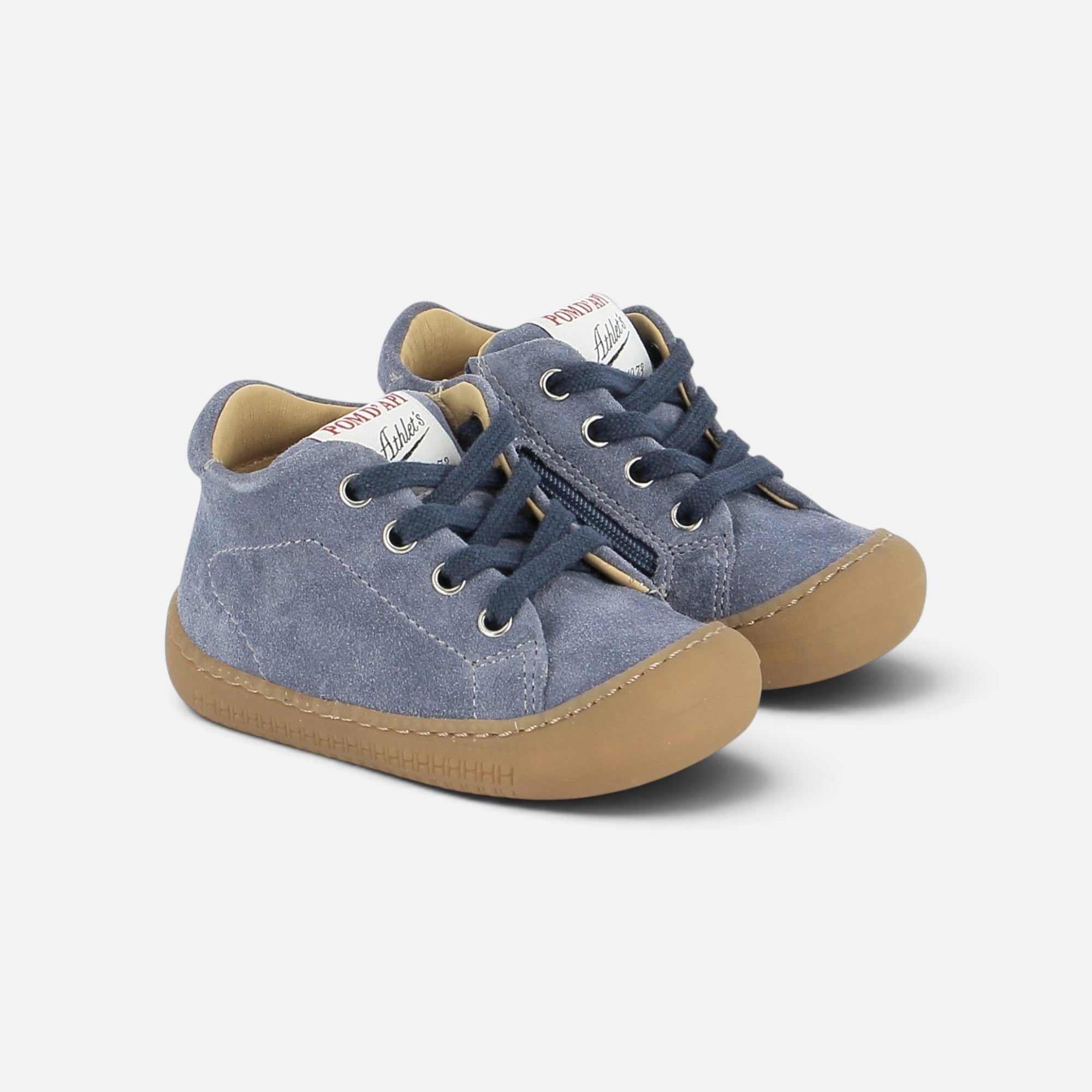
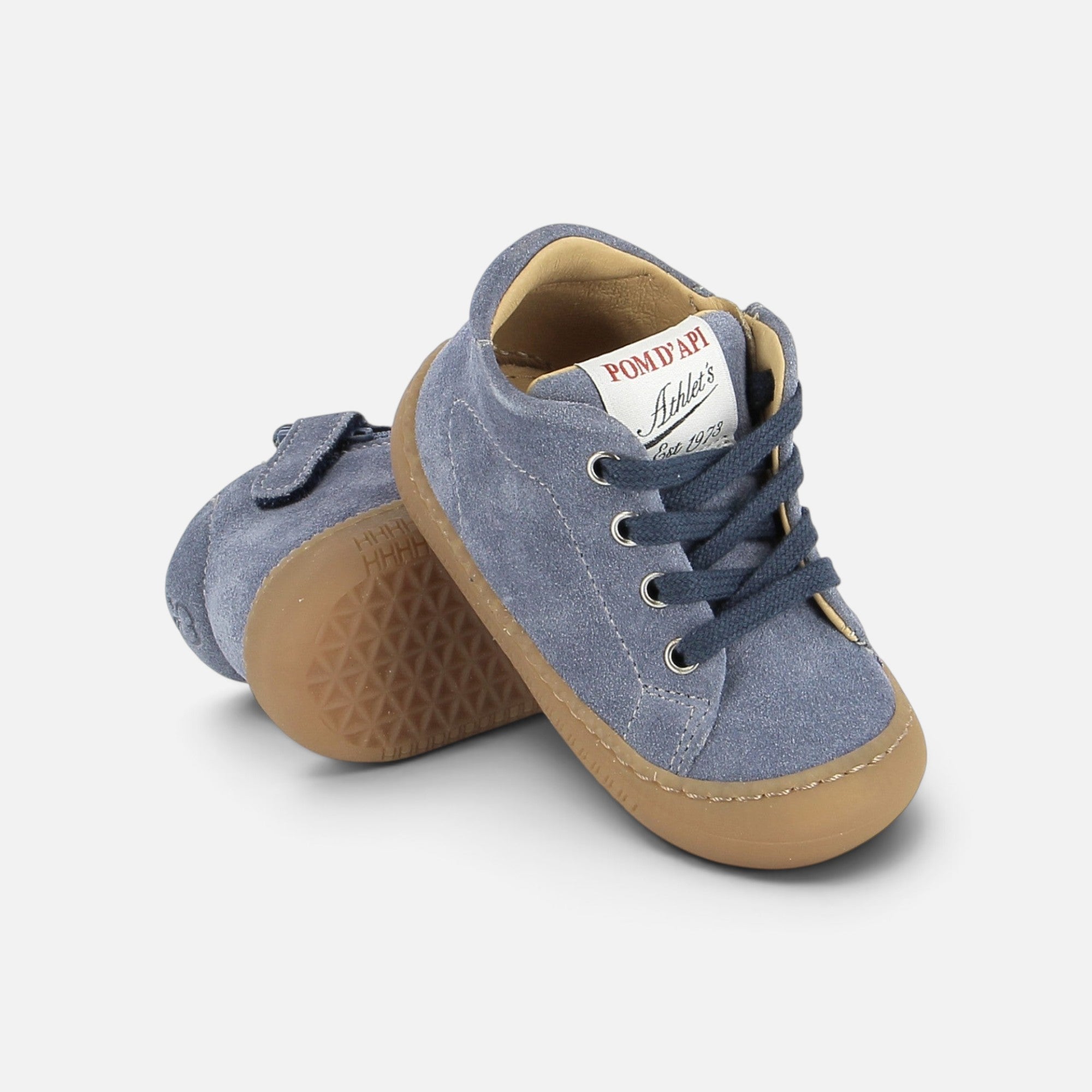
Developed by Pom d'Api
An Extra-Soft Model
Designed with a barefoot philosophy to support a child’s first steps, the Yaka model is flexible and lightweight. It provides protection while respecting the foot’s natural physiology to recreate the sensation of walking barefoot. The flexibility is multidirectional and adapts to every movement.
Discover its other benefits!


Developed by Pom d'Api
An Extra-Soft Model
Designed with a barefoot philosophy to support a child’s first steps, the Yaka model is flexible and lightweight. It provides protection while respecting the foot’s natural physiology to recreate the sensation of walking barefoot. The flexibility is multidirectional and adapts to every movement.
Discover its other benefits!


Developed by Pom d'Api
An Extra-Soft Model
Designed with a barefoot philosophy to support a child’s first steps, the Yaka model is flexible and lightweight. It provides protection while respecting the foot’s natural physiology to recreate the sensation of walking barefoot. The flexibility is multidirectional and adapts to every movement.
Discover its other benefits!


Developed by Pom d'Api
An Extra-Soft Model
Designed with a barefoot philosophy to support a child’s first steps, the Yaka model is flexible and lightweight. It provides protection while respecting the foot’s natural physiology to recreate the sensation of walking barefoot. The flexibility is multidirectional and adapts to every movement.
Discover its other benefits!
Developed by Pom d'Api
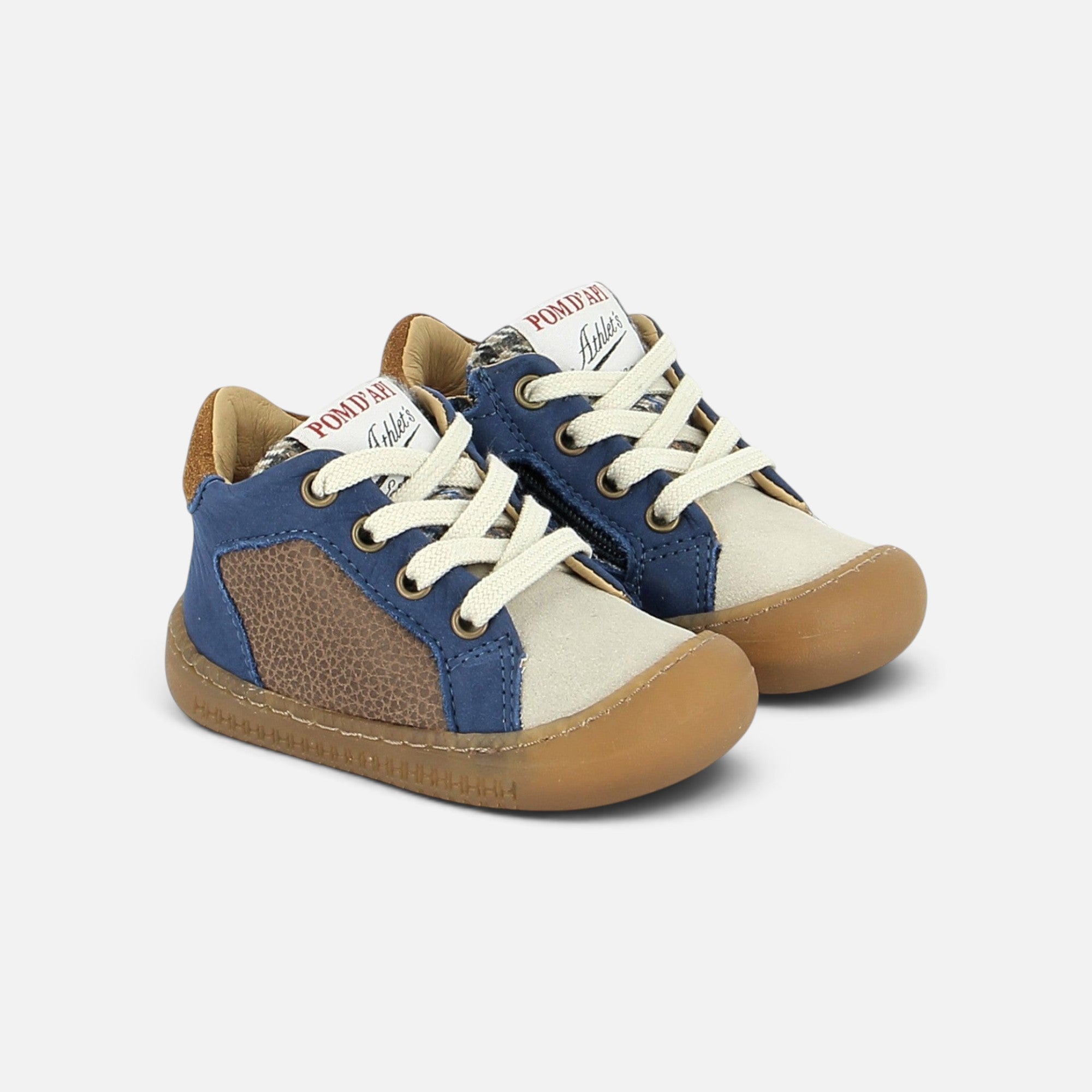
An Extra-Soft Model
Designed with a barefoot philosophy to support a child’s first steps, the Yaka model is flexible and lightweight. It provides protection while respecting the foot’s natural physiology to recreate the sensation of walking barefoot. The flexibility is multidirectional and adapts to every movement.
Discover its other benefits!


Developed by Pom d'Api
An Extra-Soft Model
Designed with a barefoot philosophy to support a child’s first steps, the Yaka model is flexible and lightweight. It provides protection while respecting the foot’s natural physiology to recreate the sensation of walking barefoot. The flexibility is multidirectional and adapts to every movement.
Discover its other benefits!


Developed by Pom d'Api
An Extra-Soft Model
Designed with a barefoot philosophy to support a child’s first steps, the Yaka model is flexible and lightweight. It provides protection while respecting the foot’s natural physiology to recreate the sensation of walking barefoot. The flexibility is multidirectional and adapts to every movement.
Discover its other benefits!


Developed by Pom d'Api
An Extra-Soft Model
Designed with a barefoot philosophy to support a child’s first steps, the Yaka model is flexible and lightweight. It provides protection while respecting the foot’s natural physiology to recreate the sensation of walking barefoot. The flexibility is multidirectional and adapts to every movement.
Discover its other benefits!


Developed by Pom d'Api
An Extra-Soft Model
Designed with a barefoot philosophy to support a child’s first steps, the Yaka model is flexible and lightweight. It provides protection while respecting the foot’s natural physiology to recreate the sensation of walking barefoot. The flexibility is multidirectional and adapts to every movement.
Discover its other benefits!
Developed by Pom d'Api
An Extra-Soft Model
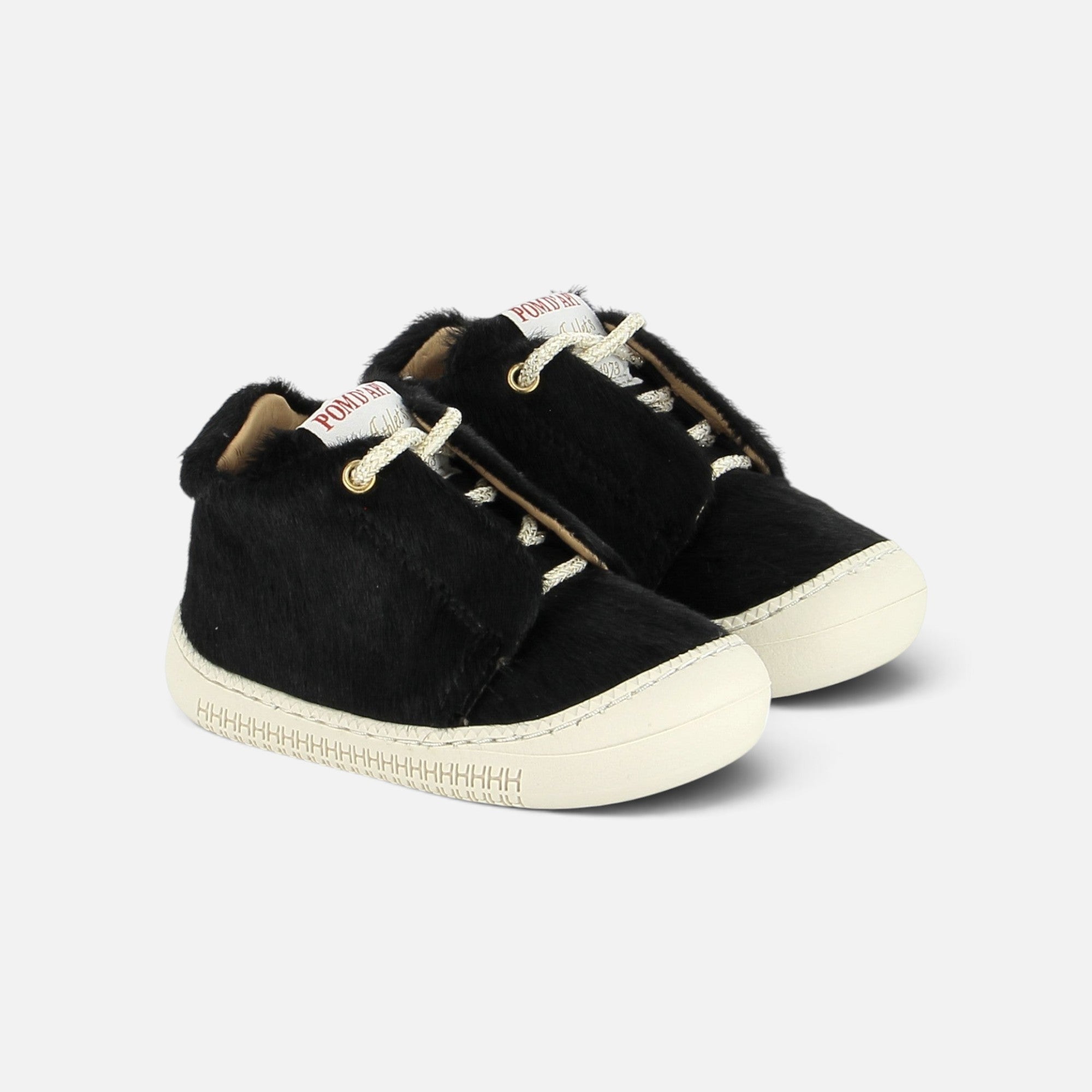
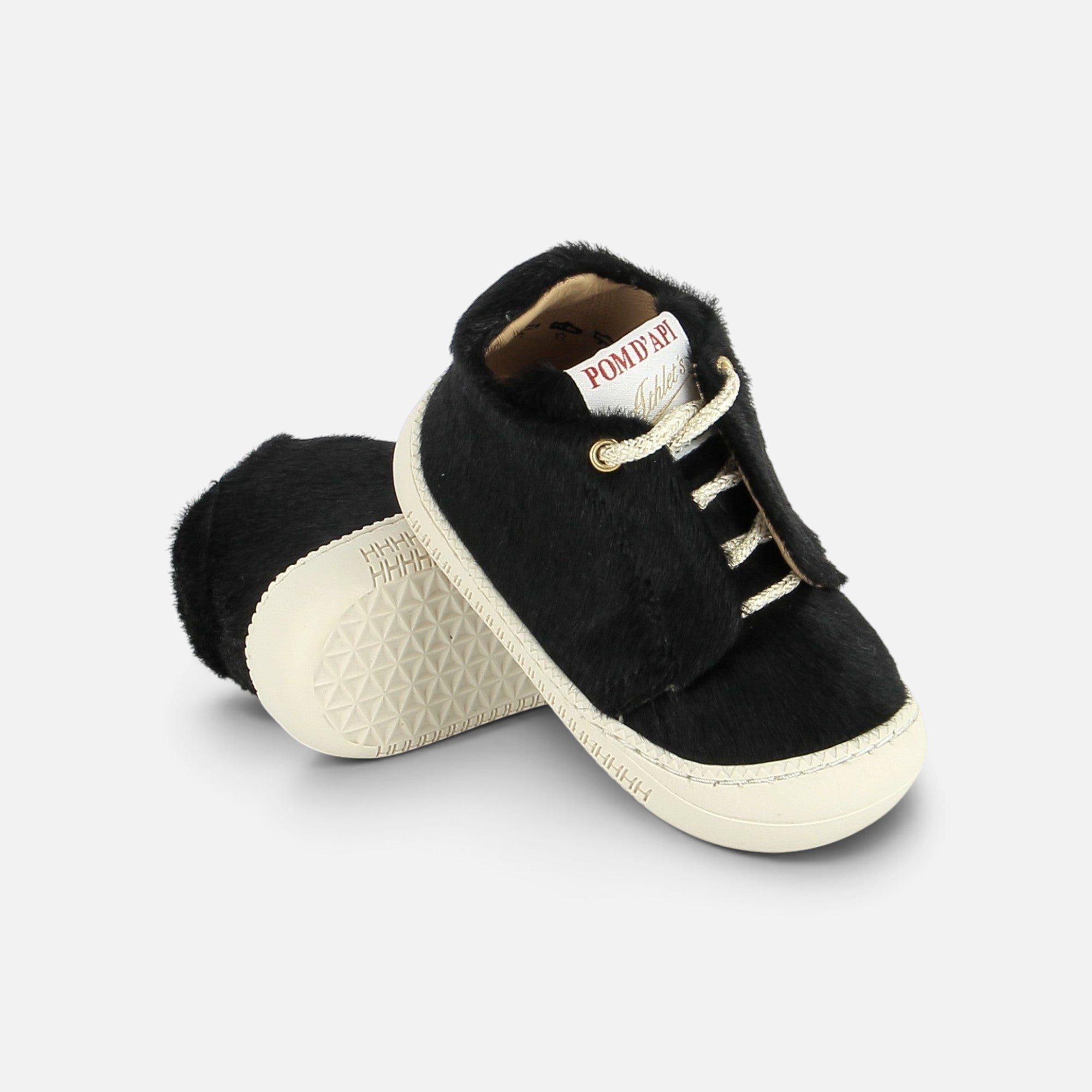
Designed with a barefoot philosophy to support a child’s first steps, the Yaka model is flexible and lightweight. It provides protection while respecting the foot’s natural physiology to recreate the sensation of walking barefoot. The flexibility is multidirectional and adapts to every movement.
Discover its other benefits!


Developed by Pom d'Api
An Extra-Soft Model
Designed with a barefoot philosophy to support a child’s first steps, the Yaka model is flexible and lightweight. It provides protection while respecting the foot’s natural physiology to recreate the sensation of walking barefoot. The flexibility is multidirectional and adapts to every movement.
Discover its other benefits!


Developed by Pom d'Api
An Extra-Soft Model
Designed with a barefoot philosophy to support a child’s first steps, the Yaka model is flexible and lightweight. It provides protection while respecting the foot’s natural physiology to recreate the sensation of walking barefoot. The flexibility is multidirectional and adapts to every movement.
Discover its other benefits!
Developed by Pom d'Api
An Extra-Soft Model
Designed with a barefoot philosophy to support a child’s first steps, the Yaka model is flexible and lightweight. It provides protection while respecting the foot’s natural physiology to recreate the sensation of walking barefoot. The flexibility is multidirectional and adapts to every movement.
Discover its other benefits!
Developed by Pom d'Api
An Extra-Soft Model
Designed with a barefoot philosophy to support a child’s first steps, the Yaka model is flexible and lightweight. It provides protection while respecting the foot’s natural physiology to recreate the sensation of walking barefoot. The flexibility is multidirectional and adapts to every movement.
Discover its other benefits!
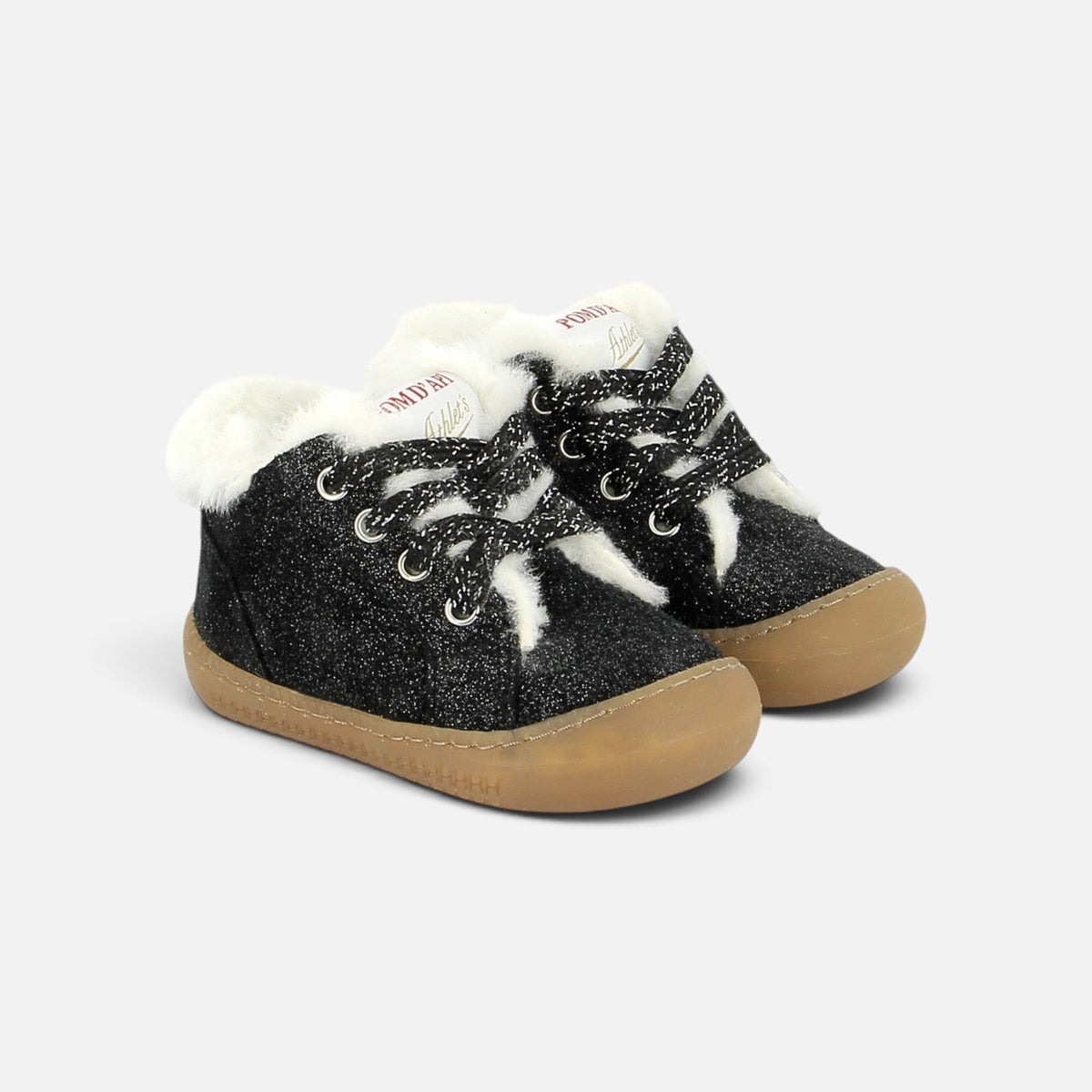
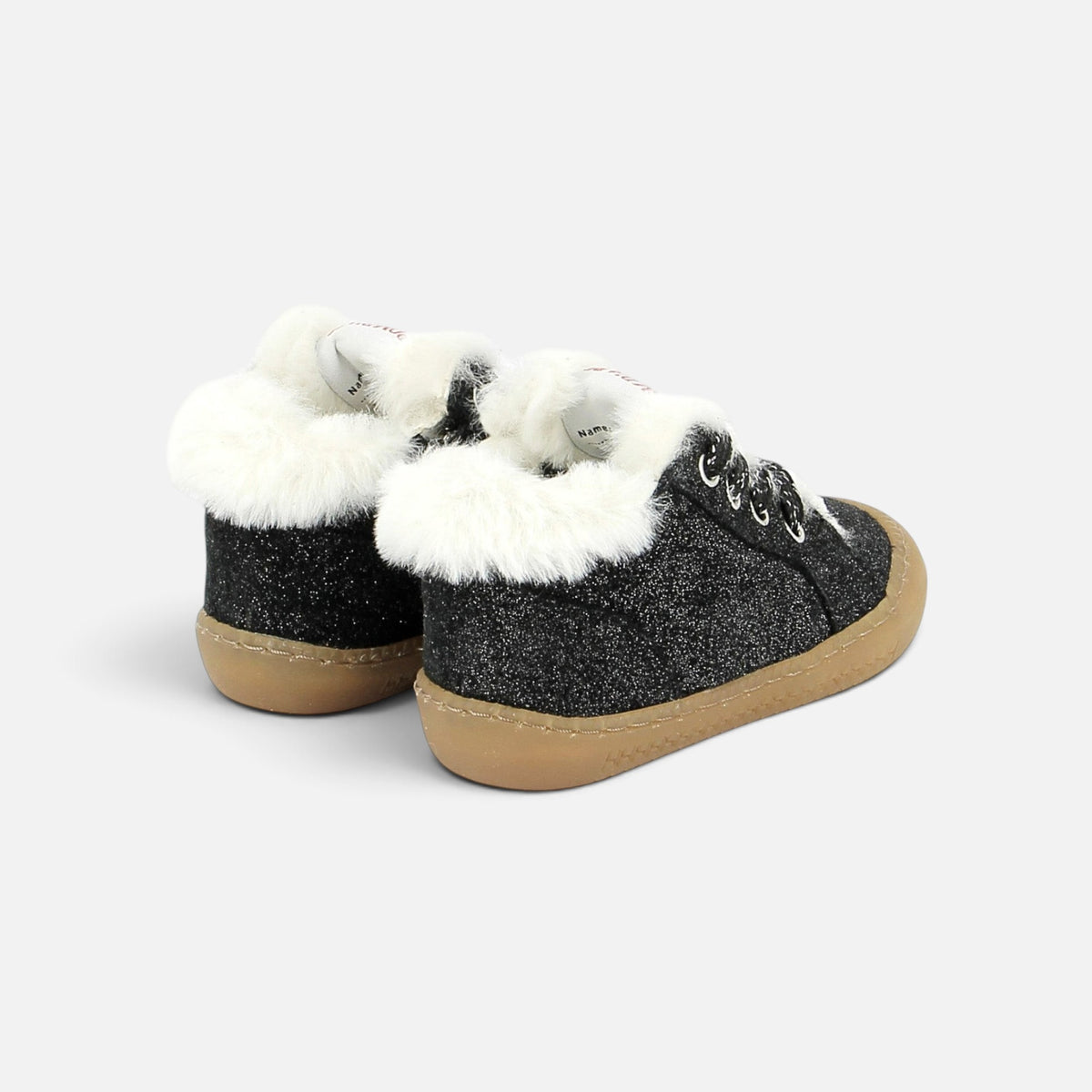
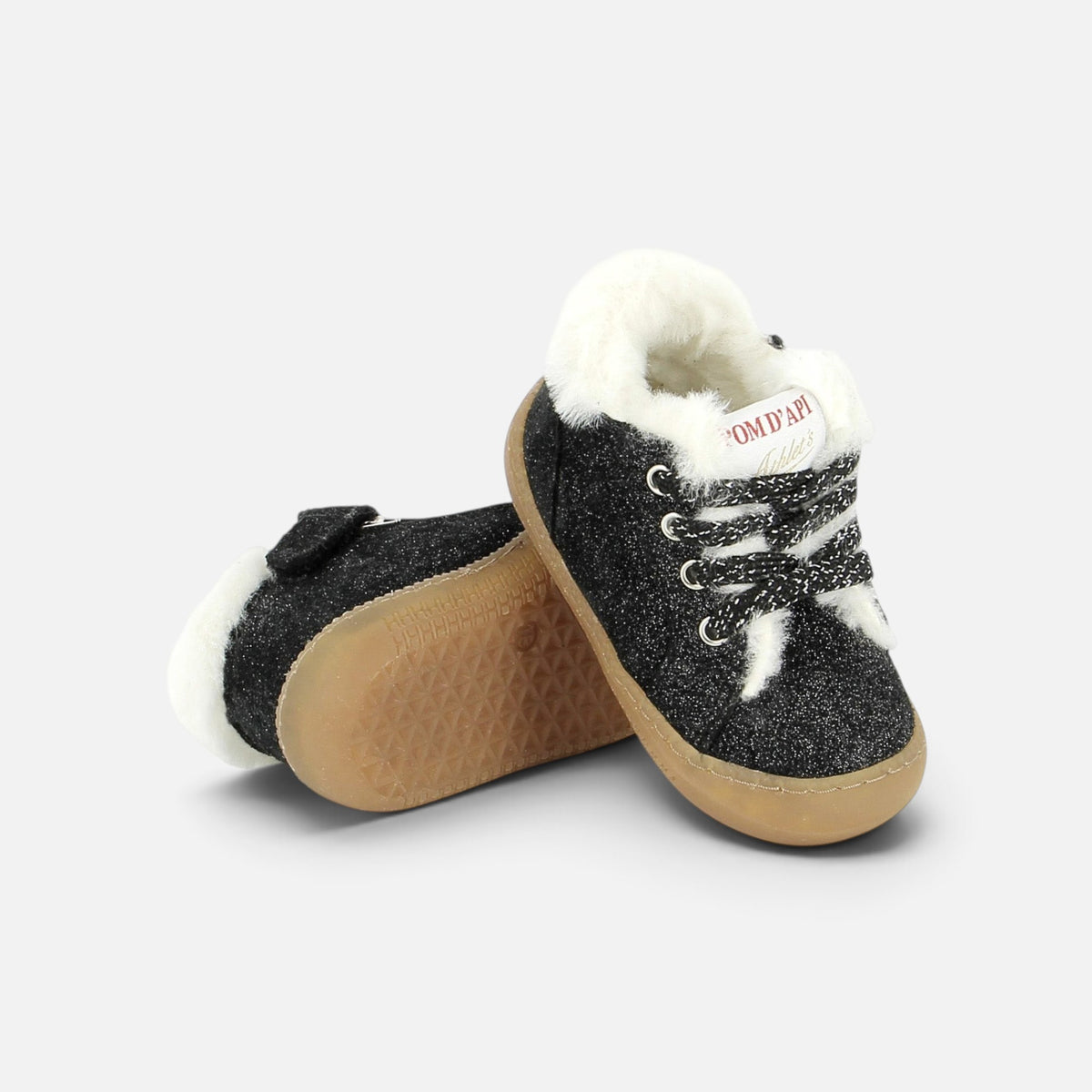
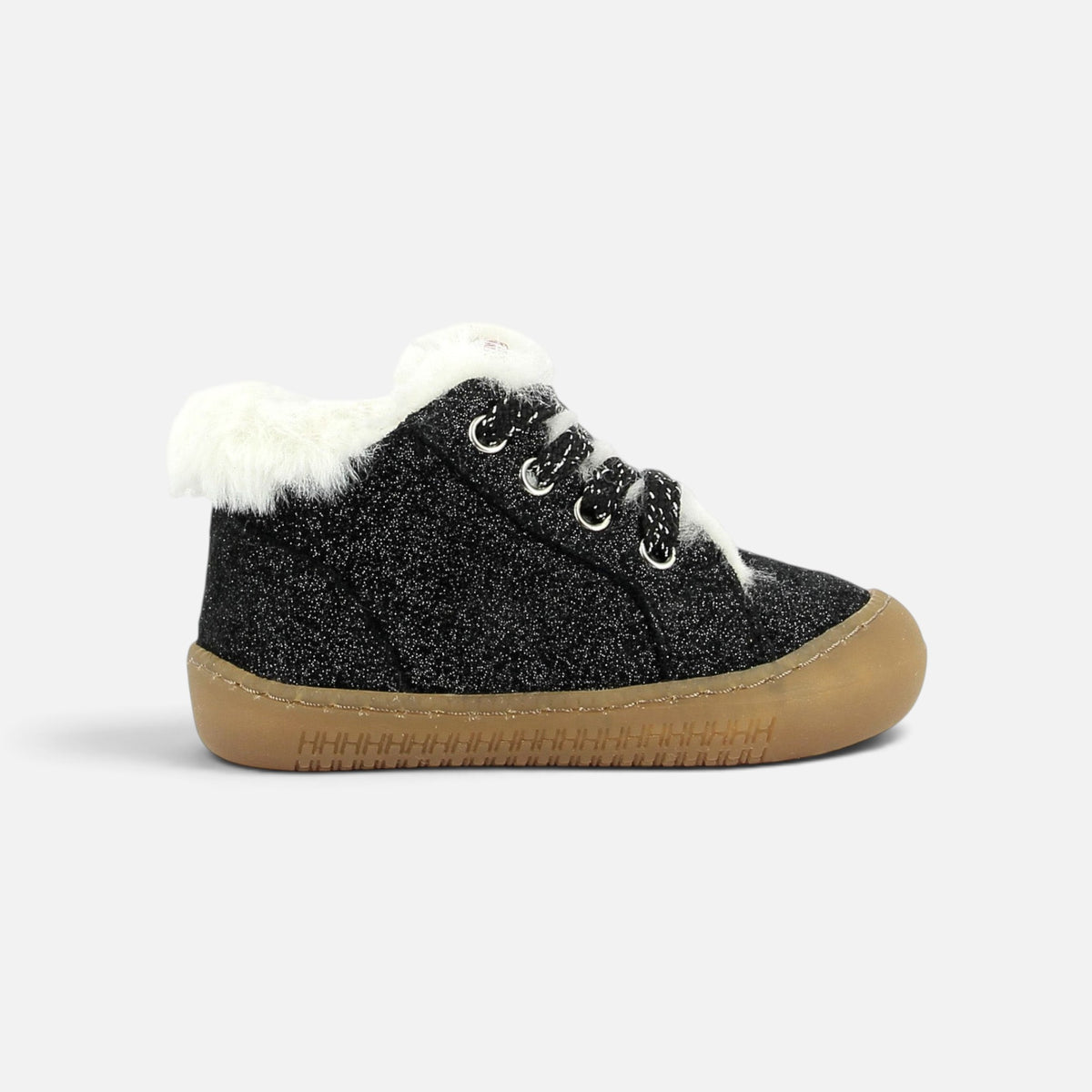
Patented technology Pom d'Api
The Anti-Twist© Process
A sole featuring a heel shank. This reinforcement prevents any risk of twisting in the ankle and instep. This targeted support allows the front of the shoe to be very flexible, while providing slight support at the back. This model supports the natural movement with every step.


Patented technology Pom d'Api
The Anti-Twist© Process
A sole featuring a heel shank. This reinforcement prevents any risk of twisting in the ankle and instep. This targeted support allows the front of the shoe to be very flexible, while providing slight support at the back. This model supports the natural movement with every step.


Patented technology Pom d'Api
The Anti-Twist© Process
A sole featuring a heel shank. This reinforcement prevents any risk of twisting in the ankle and instep. This targeted support allows the front of the shoe to be very flexible, while providing slight support at the back. This model supports the natural movement with every step.


Developed by Pom d'Api
An Extra-Soft Model
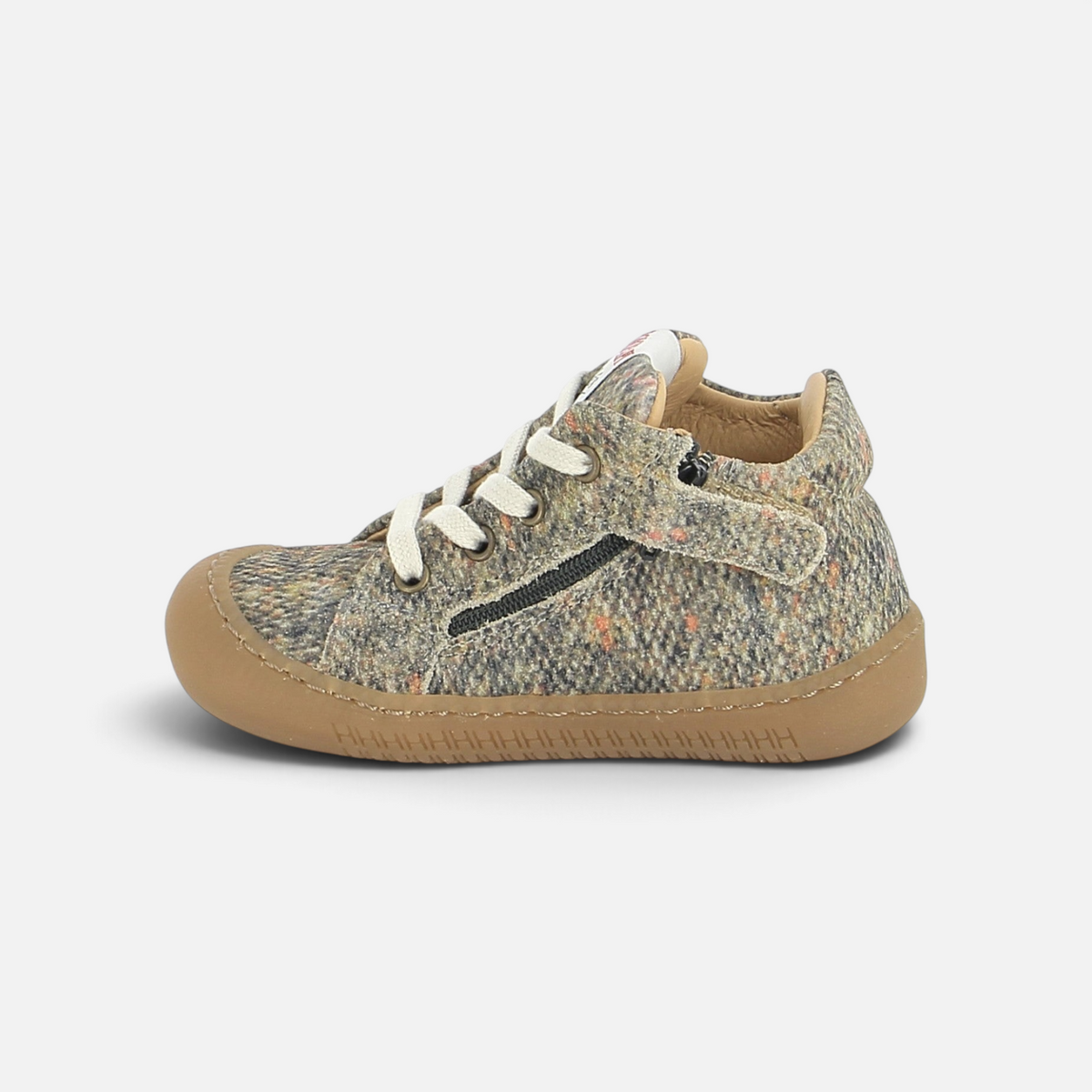
Designed with a barefoot philosophy to support a child’s first steps, the Yaka model is flexible and lightweight. It provides protection while respecting the foot’s natural physiology to recreate the sensation of walking barefoot. The flexibility is multidirectional and adapts to every movement.
Discover its other benefits!
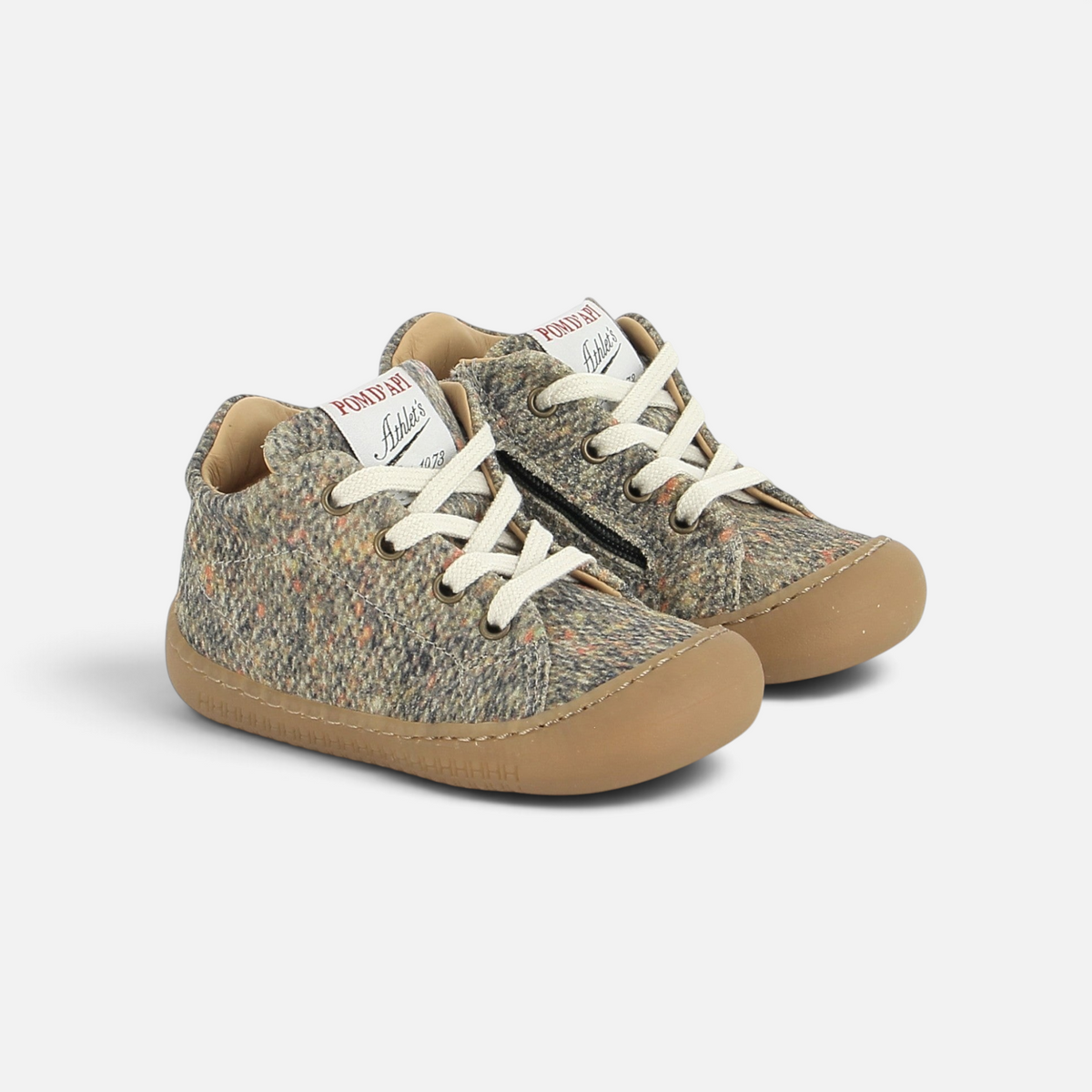
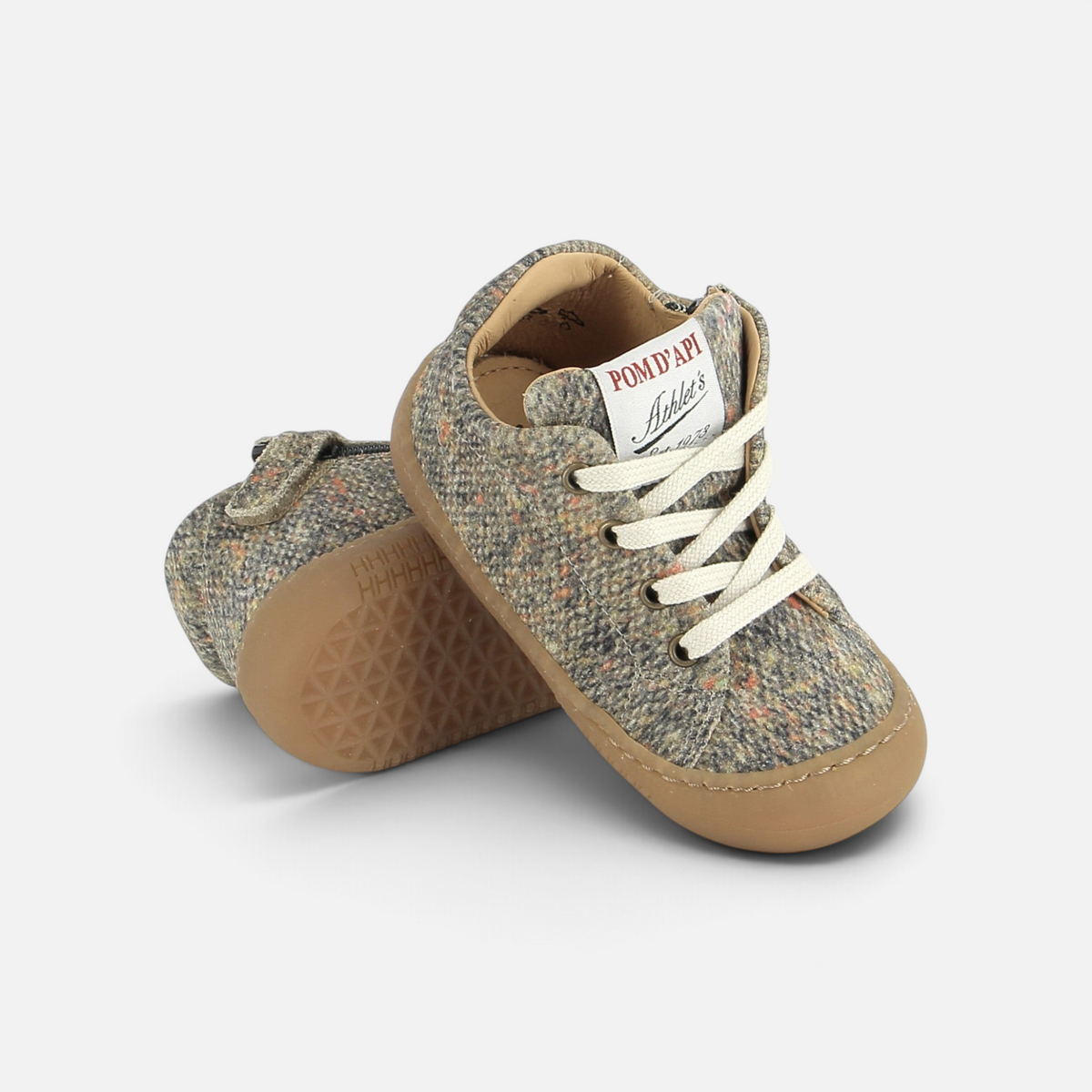
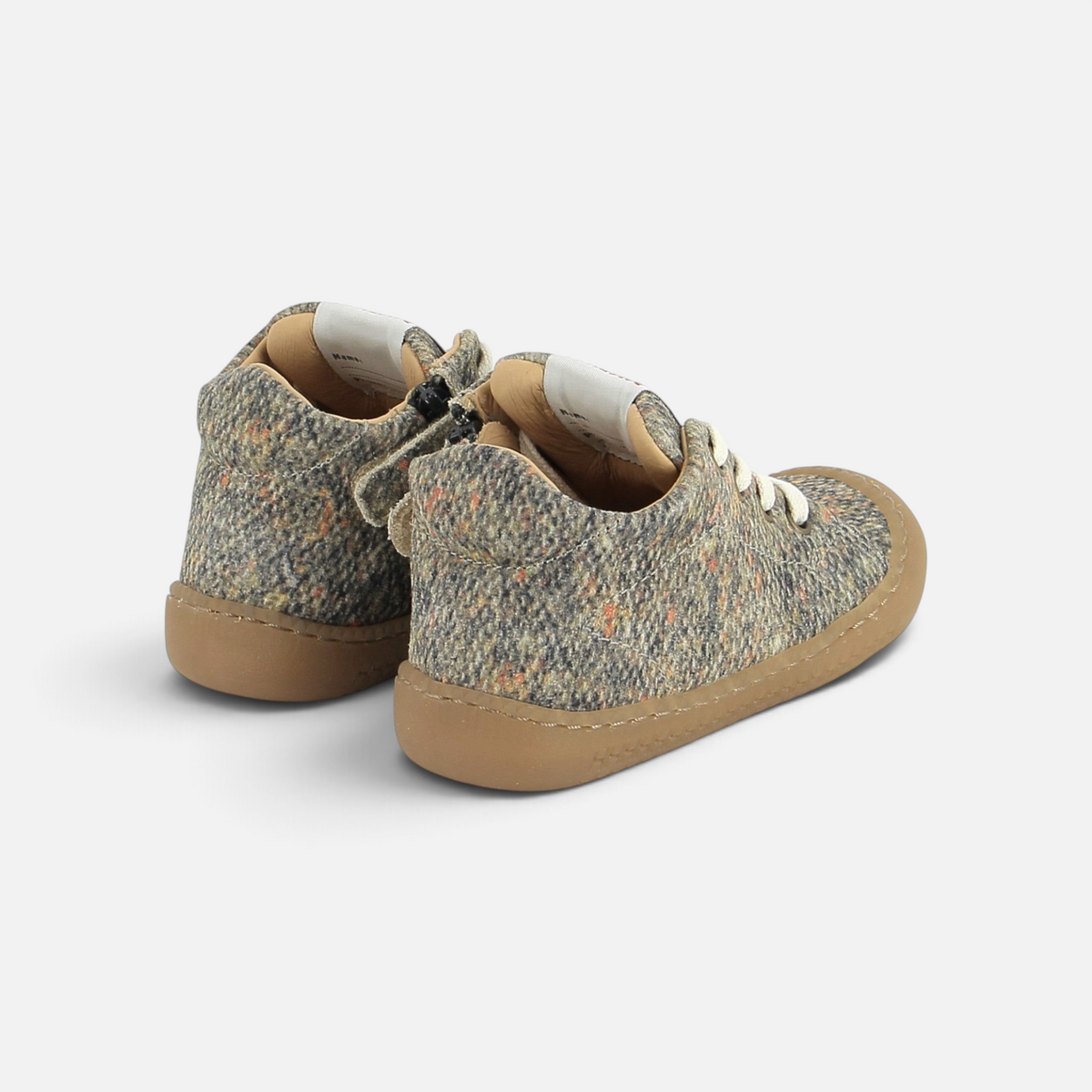
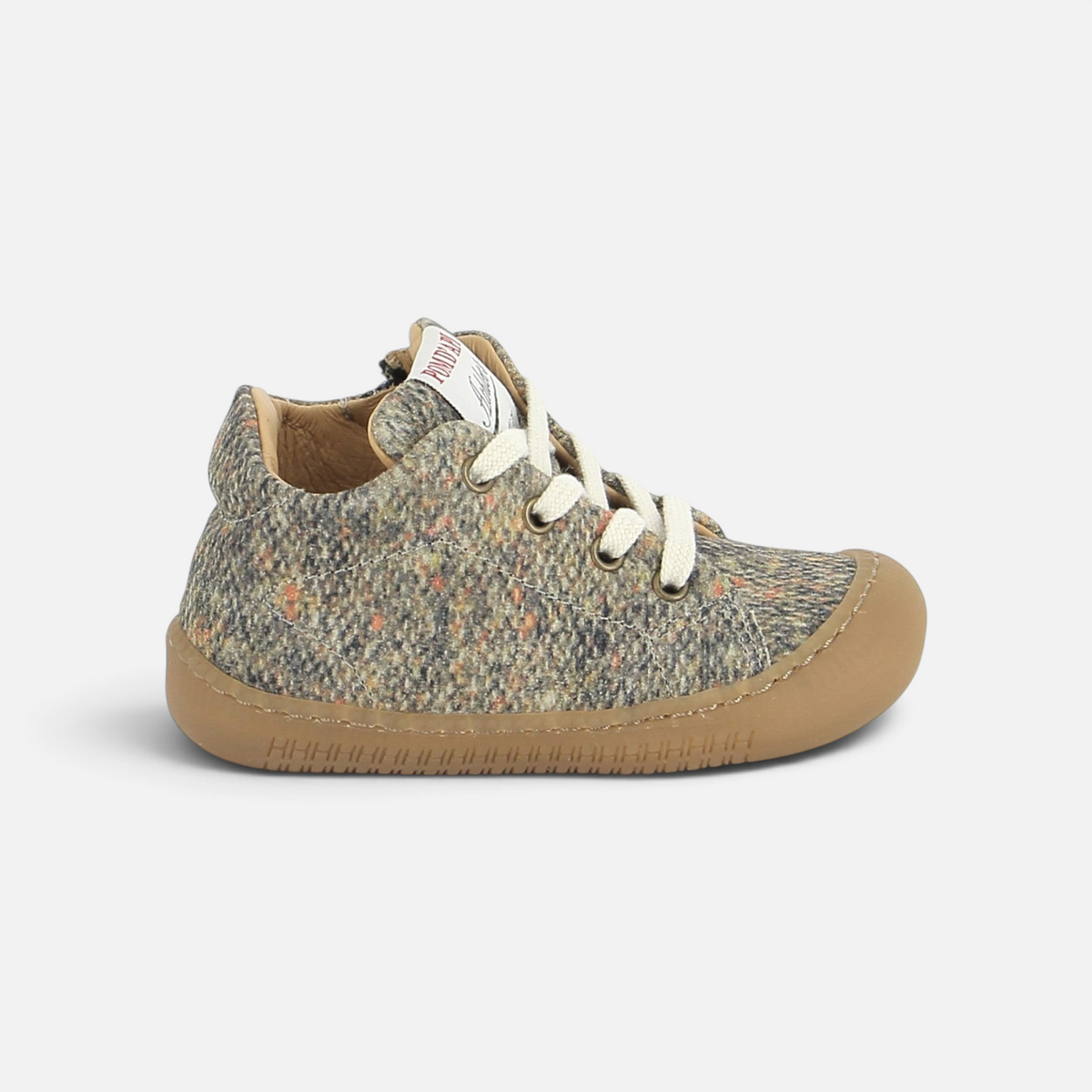
Developed by Pom d'Api
An Extra-Soft Model
Designed with a barefoot philosophy to support a child’s first steps, the Yaka model is flexible and lightweight. It provides protection while respecting the foot’s natural physiology to recreate the sensation of walking barefoot. The flexibility is multidirectional and adapts to every movement.
Discover its other benefits!


Developed by Pom d'Api
An Extra-Soft Model
Designed with a barefoot philosophy to support a child’s first steps, the Yaka model is flexible and lightweight. It provides protection while respecting the foot’s natural physiology to recreate the sensation of walking barefoot. The flexibility is multidirectional and adapts to every movement.
Discover its other benefits!
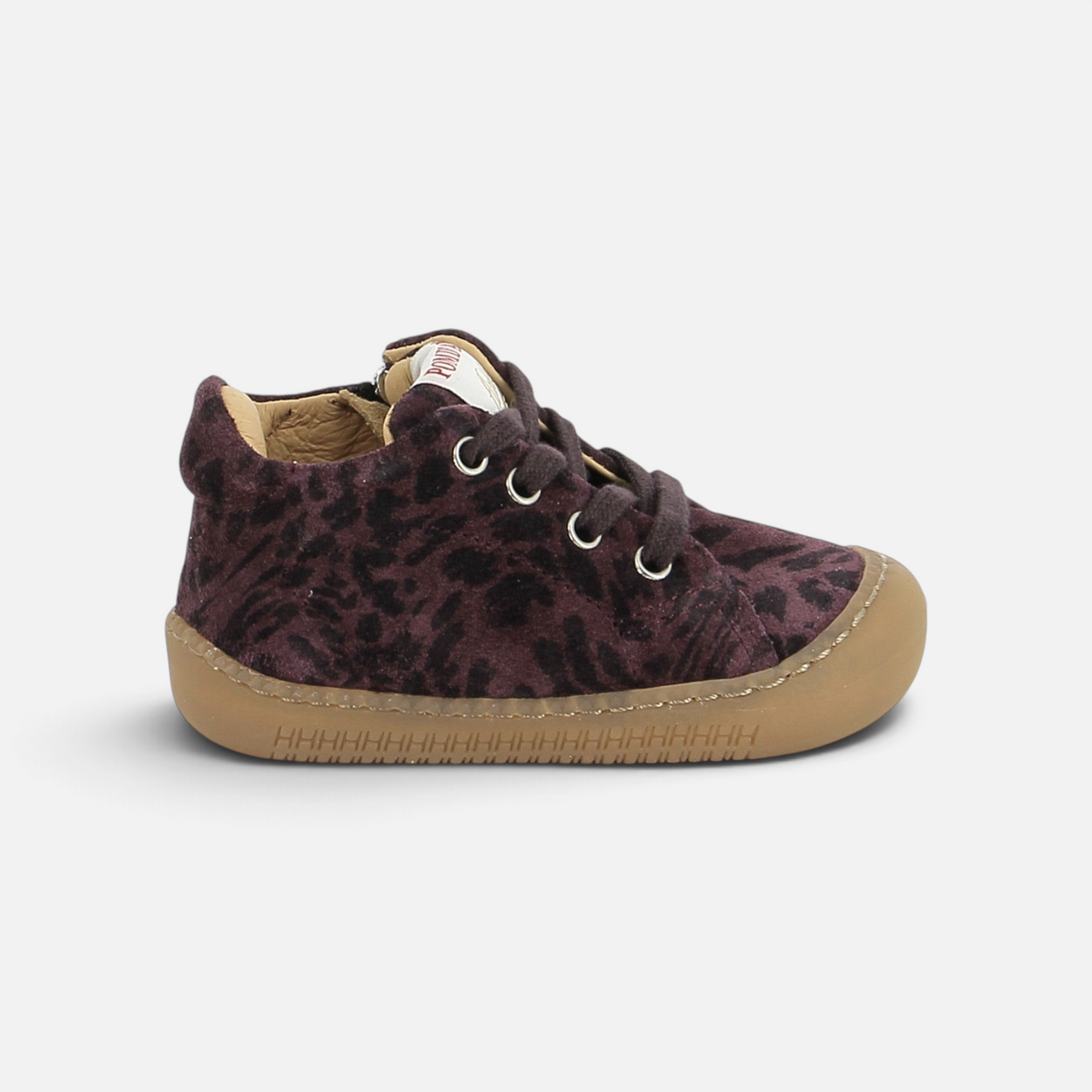
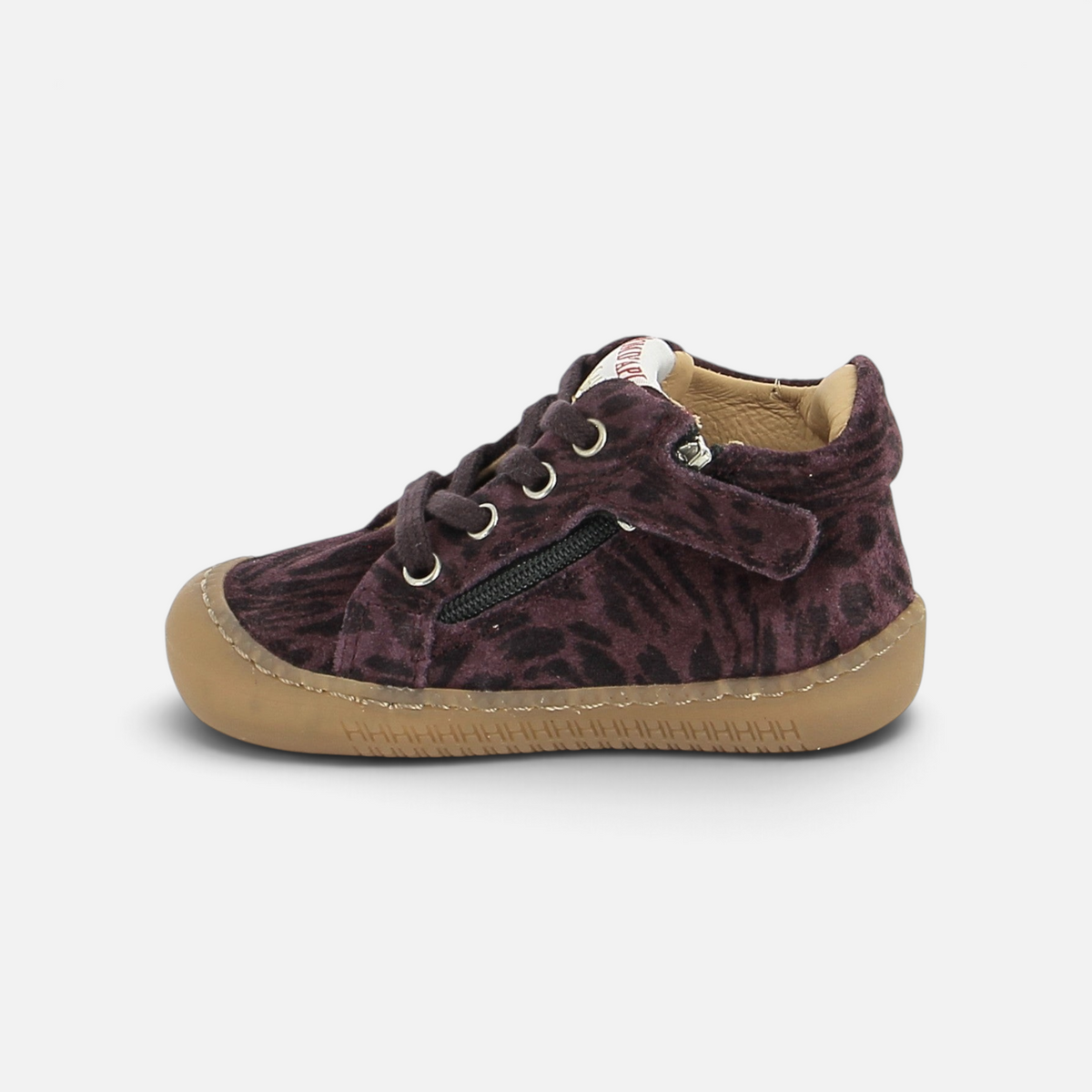
Developed by Pom d'Api
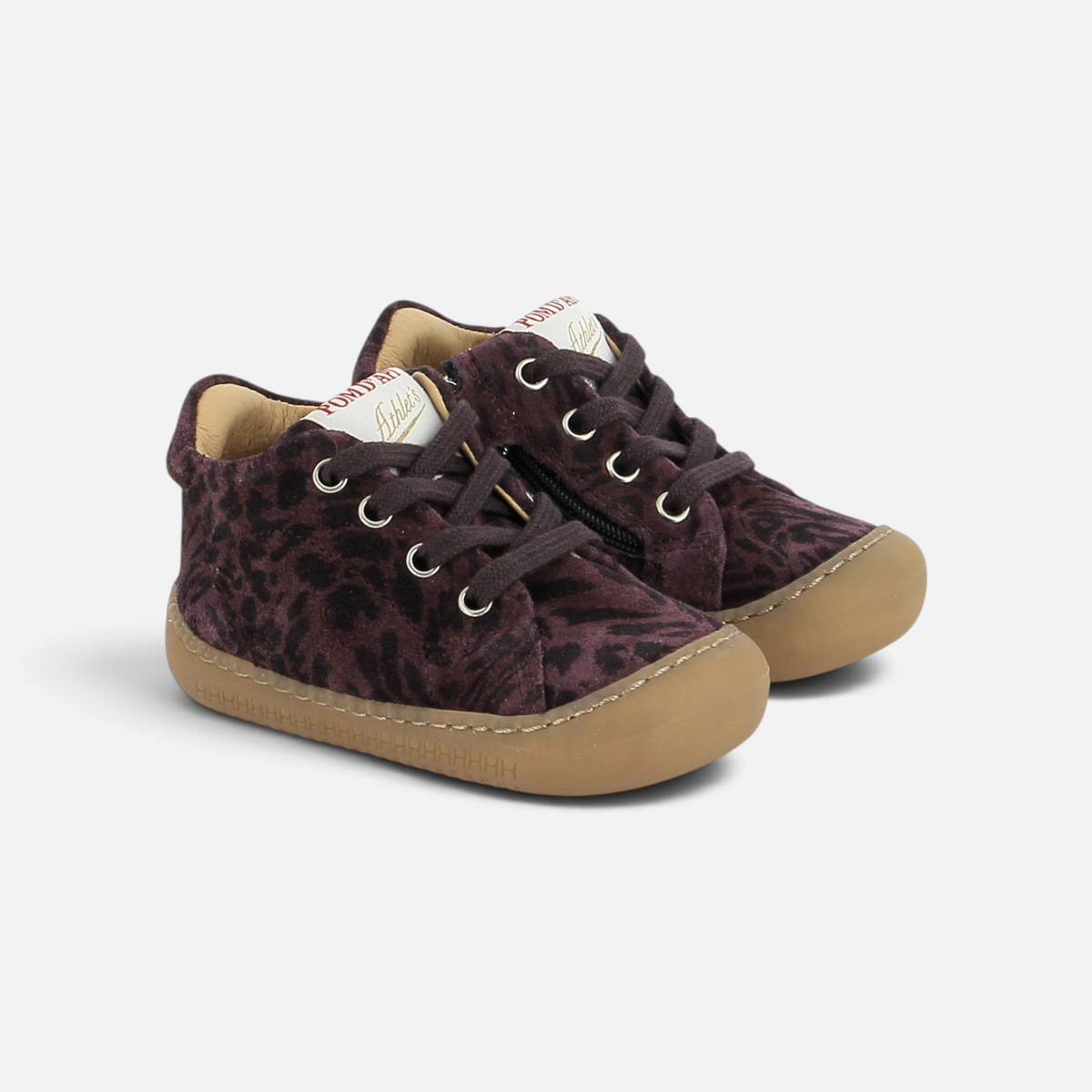
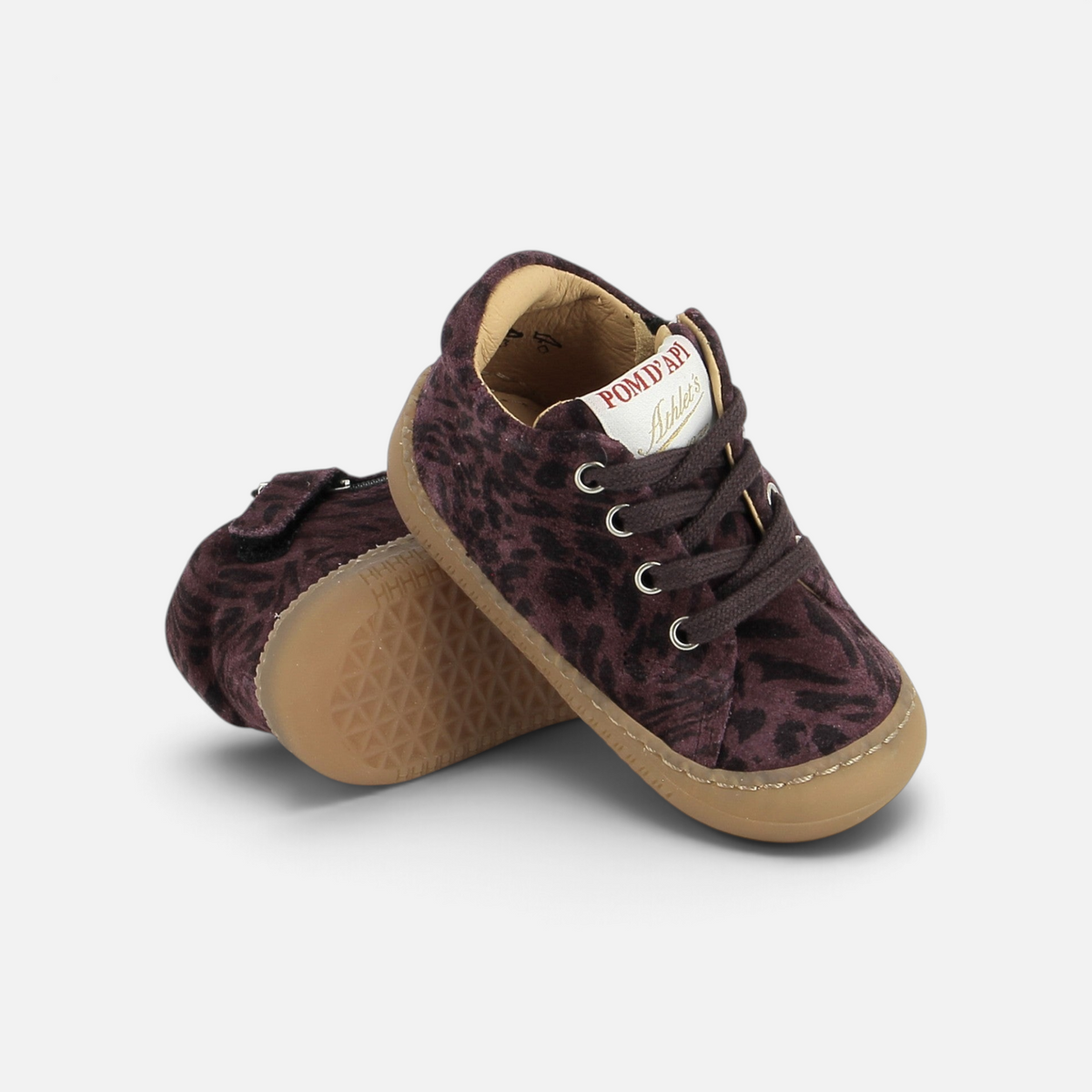
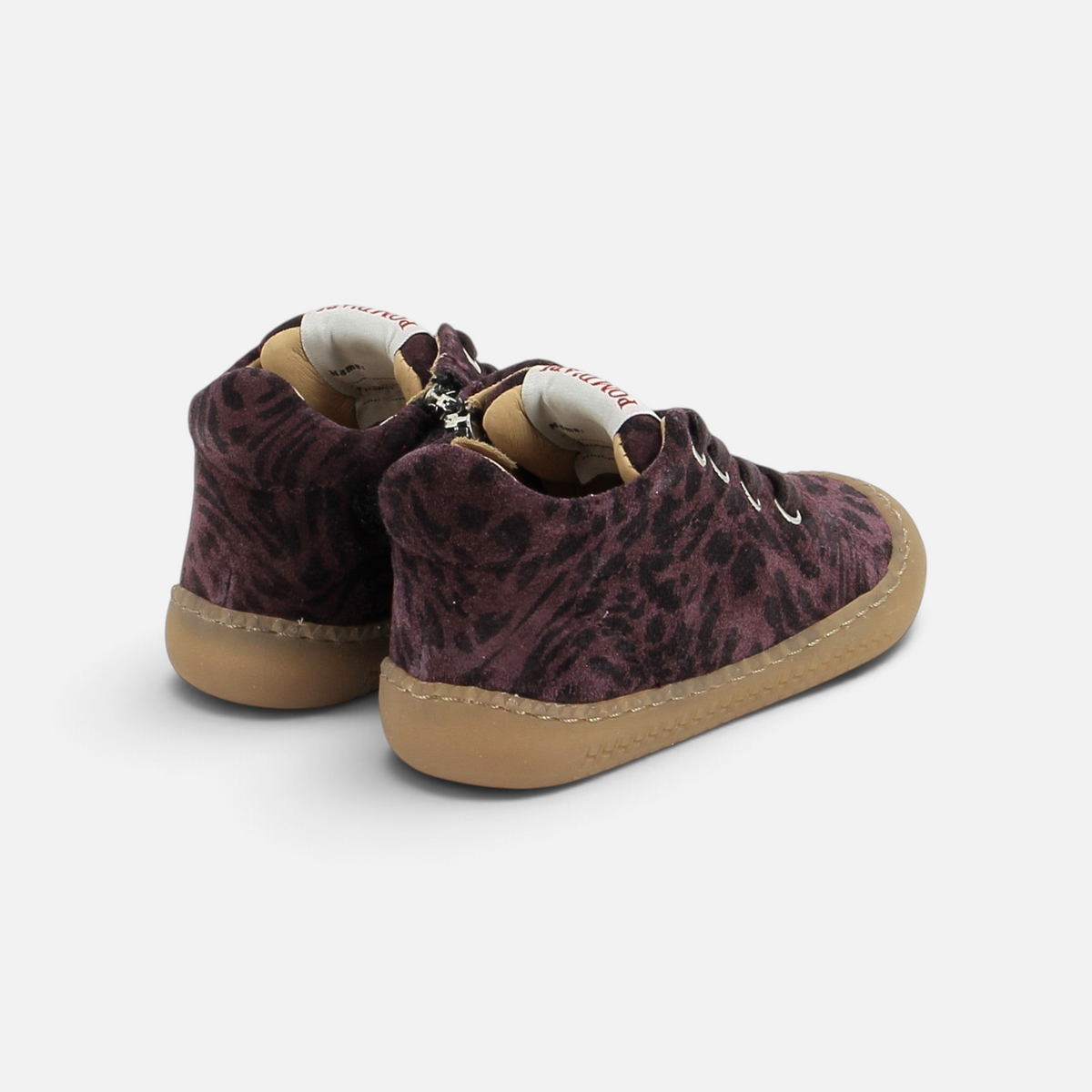
An Extra-Soft Model
Designed with a barefoot philosophy to support a child’s first steps, the Yaka model is flexible and lightweight. It provides protection while respecting the foot’s natural physiology to recreate the sensation of walking barefoot. The flexibility is multidirectional and adapts to every movement.
Discover its other benefits!


Developed by Pom d'Api
An Extra-Soft Model
Designed with a barefoot philosophy to support a child’s first steps, the Yaka model is flexible and lightweight. It provides protection while respecting the foot’s natural physiology to recreate the sensation of walking barefoot. The flexibility is multidirectional and adapts to every movement.
Discover its other benefits!


Developed by Pom d'Api
An Extra-Soft Model
Designed with a barefoot philosophy to support a child’s first steps, the Yaka model is flexible and lightweight. It provides protection while respecting the foot’s natural physiology to recreate the sensation of walking barefoot. The flexibility is multidirectional and adapts to every movement.
Discover its other benefits!
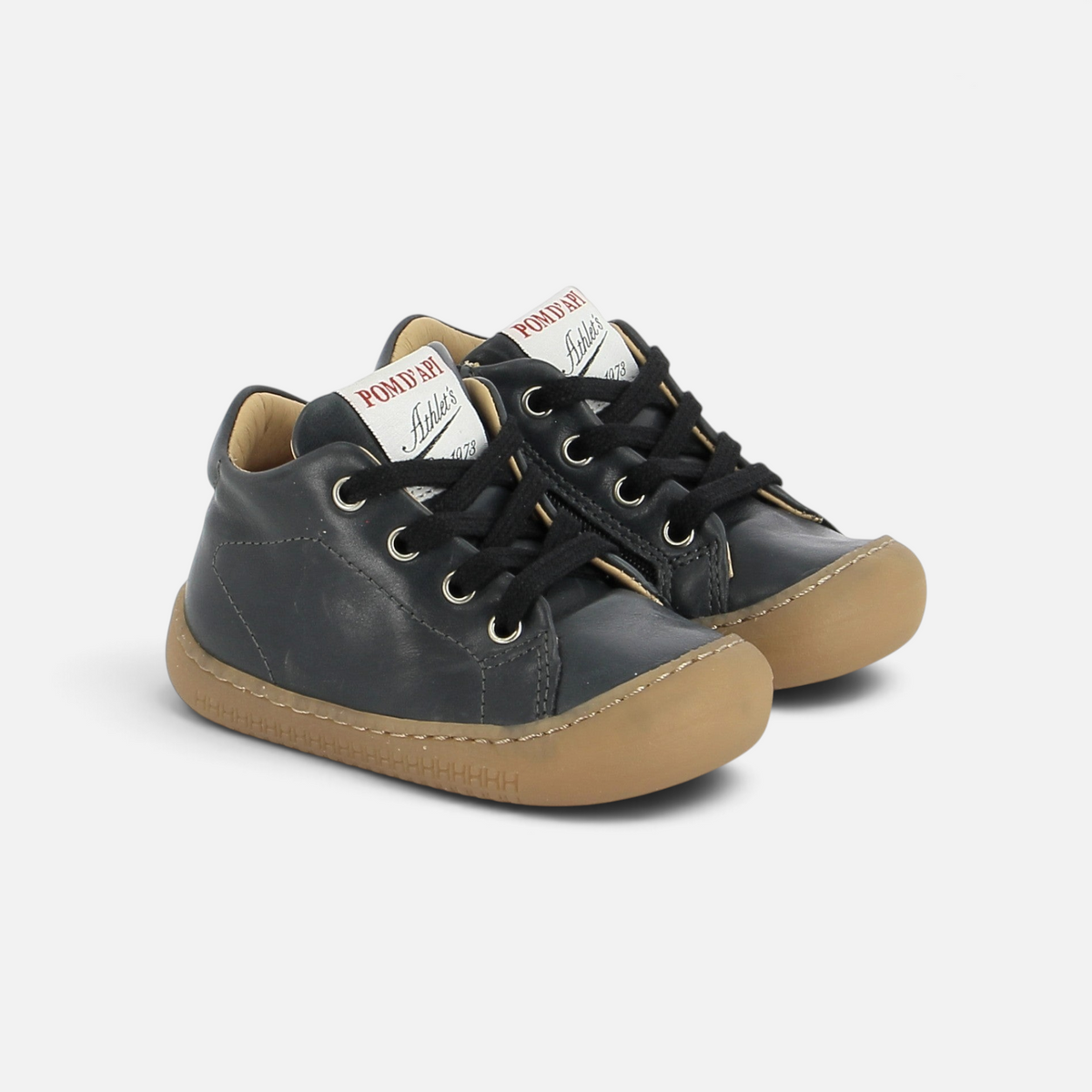
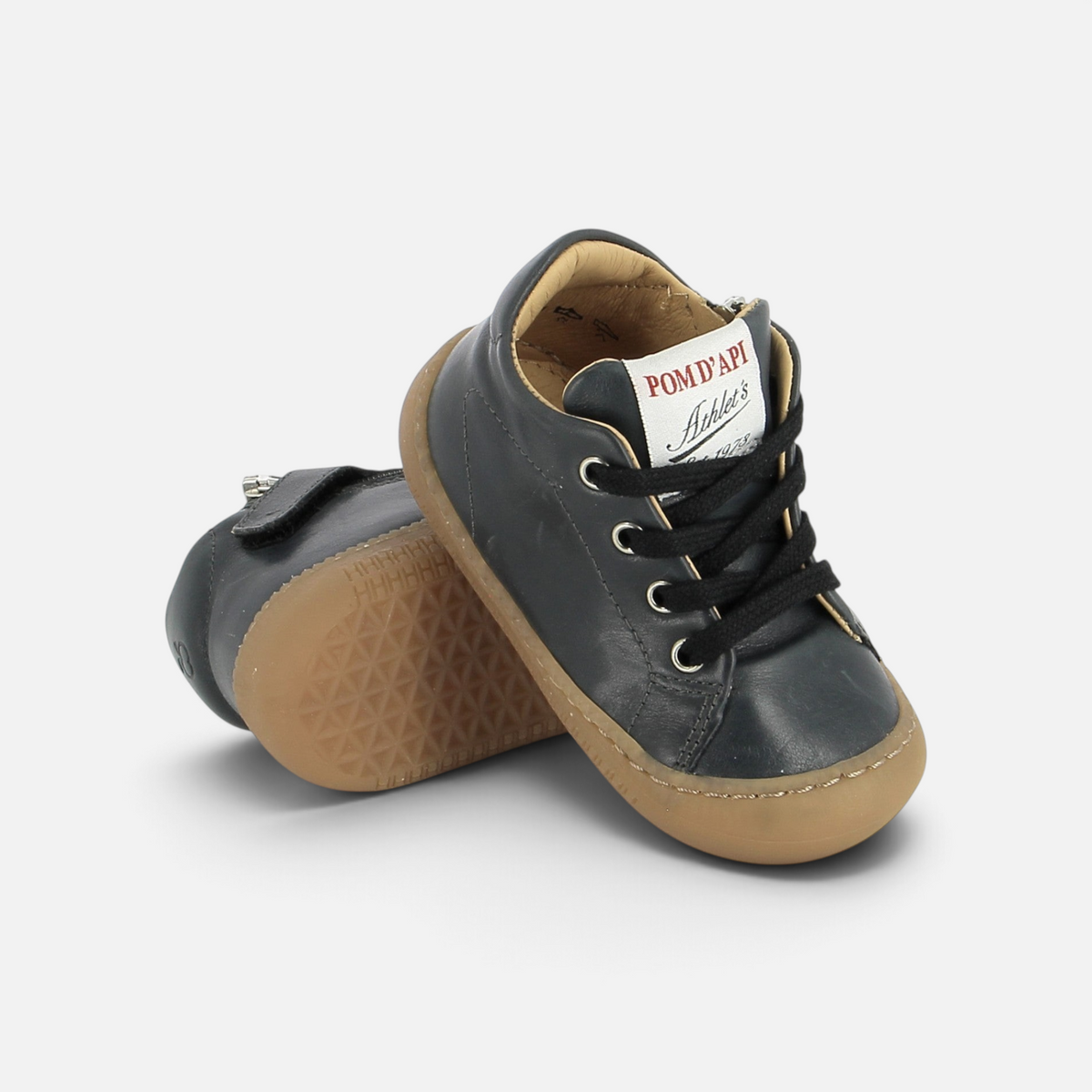
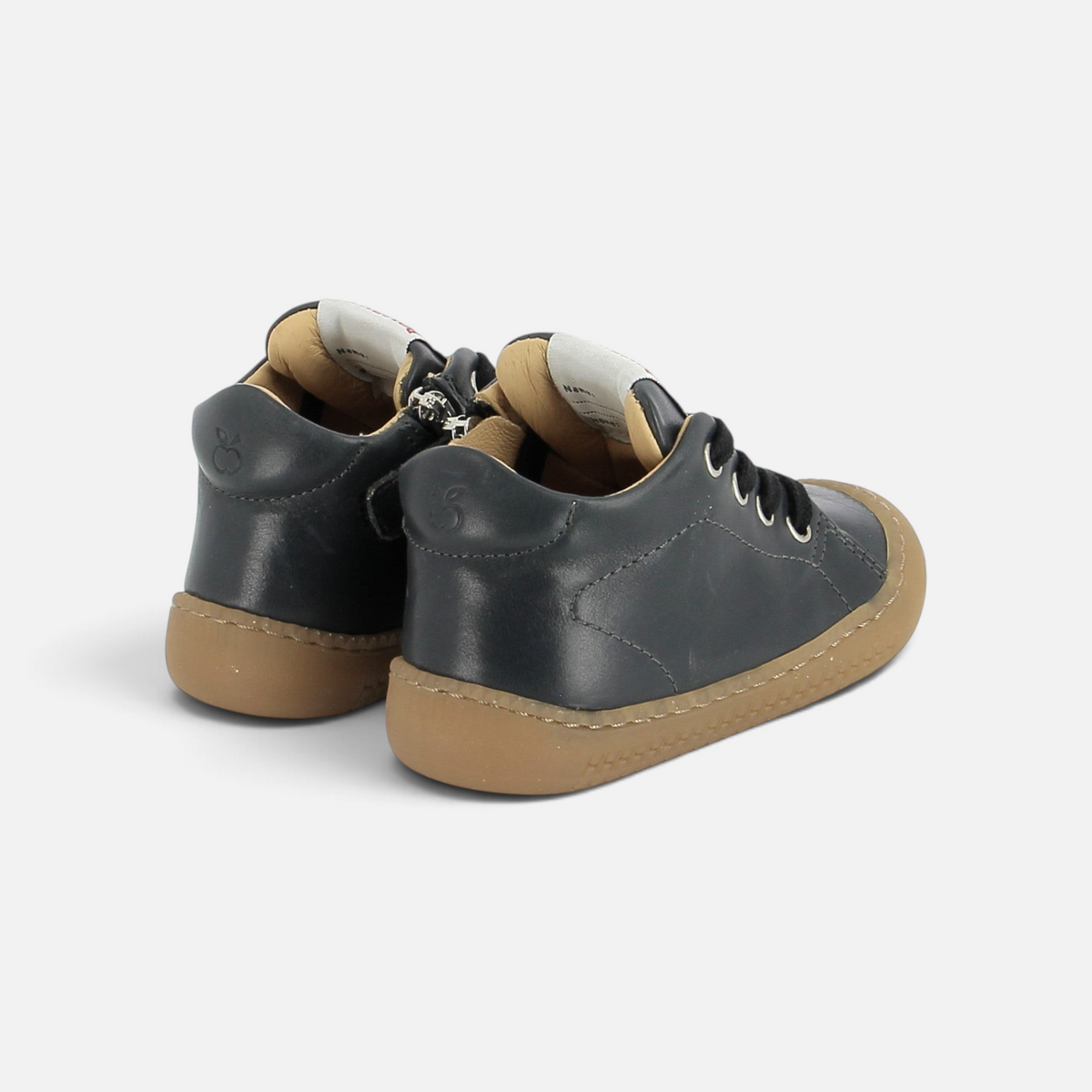
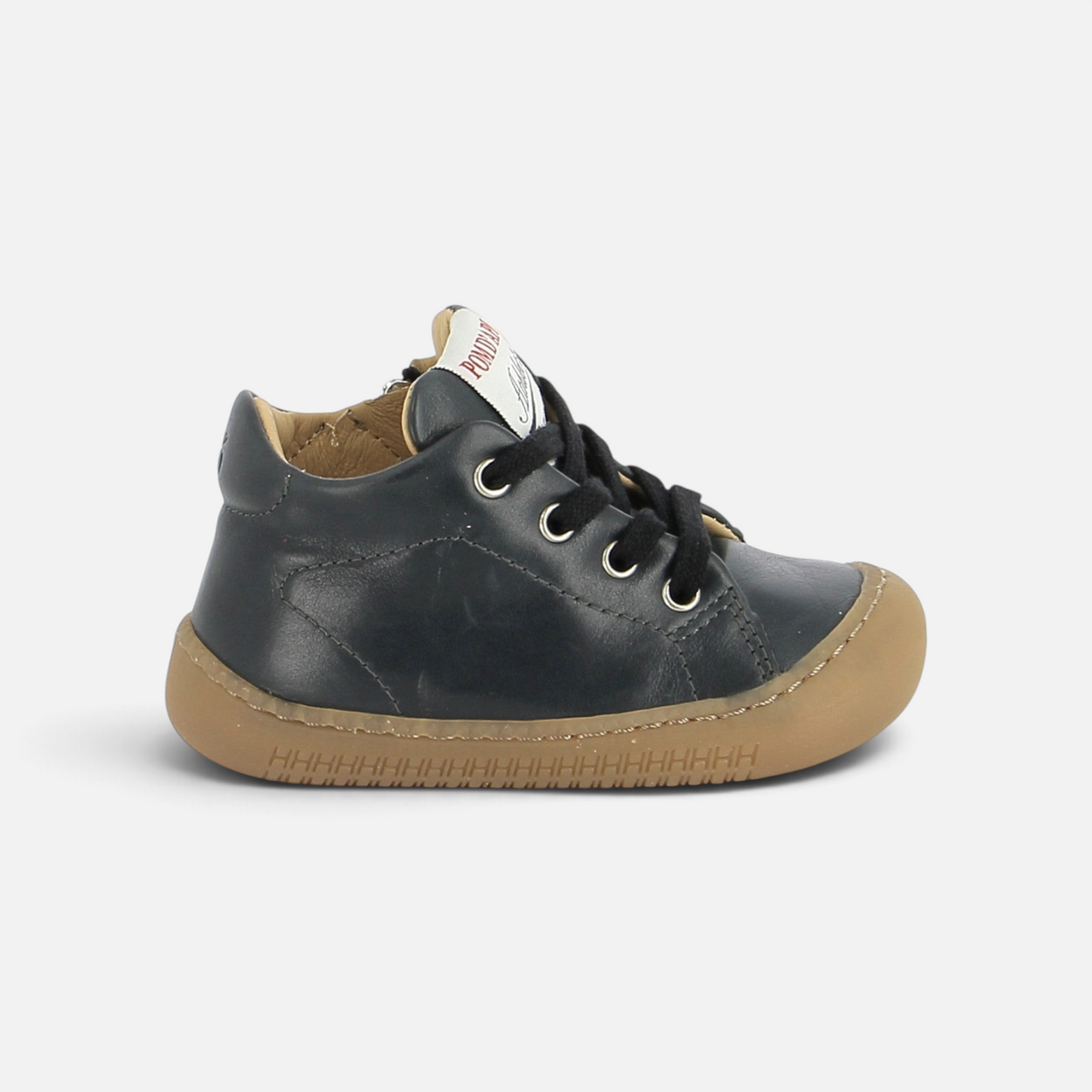
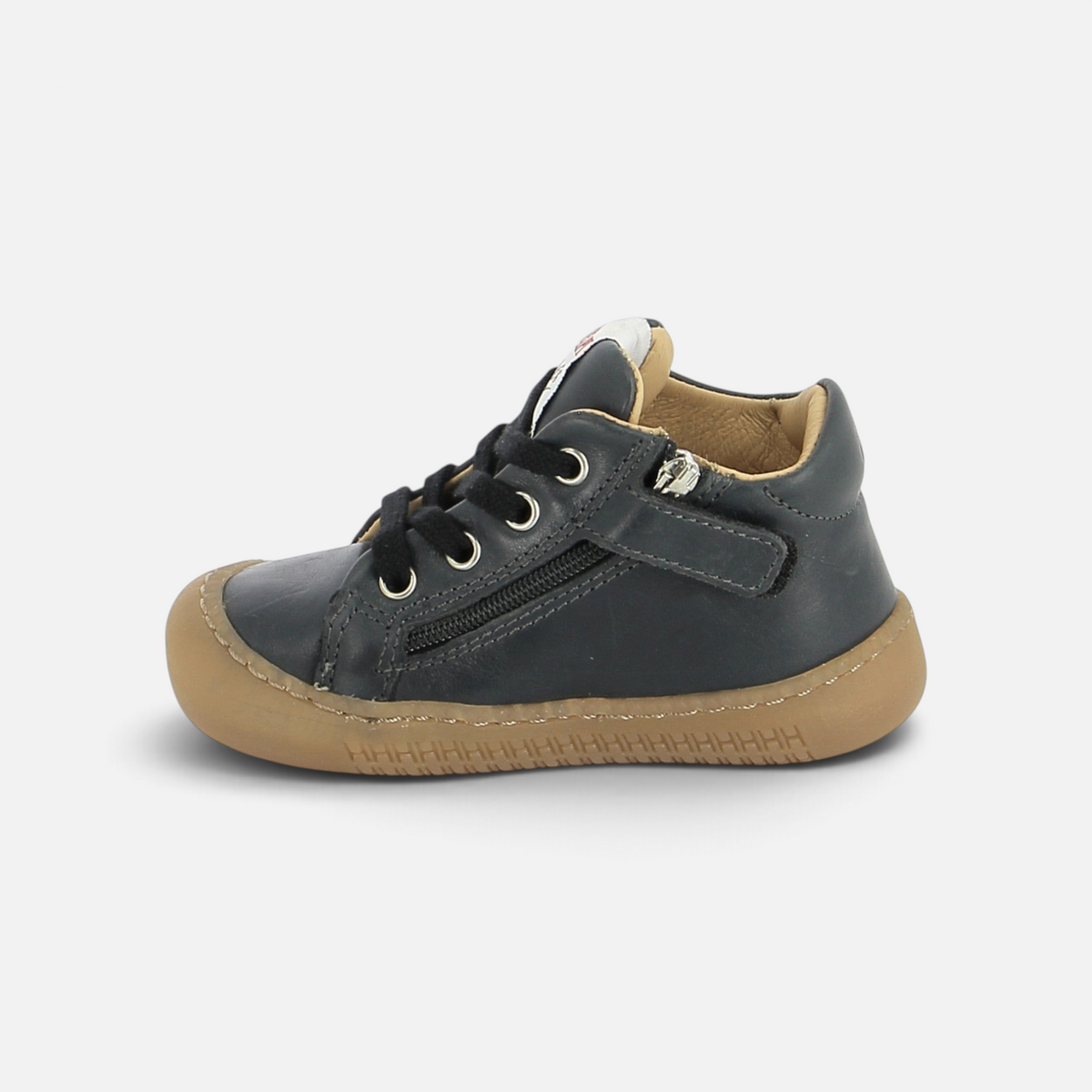
Patented technology Pom d'Api
The Anti-Twist© Process
A sole featuring a heel shank. This reinforcement prevents any risk of twisting in the ankle and instep. This targeted support allows the front of the shoe to be very flexible, while providing slight support at the back. This model supports the natural movement with every step.


Patented technology Pom d'Api
The Anti-Twist© Process
A sole featuring a heel shank. This reinforcement prevents any risk of twisting in the ankle and instep. This targeted support allows the front of the shoe to be very flexible, while providing slight support at the back. This model supports the natural movement with every step.


Patented technology Pom d'Api
The Anti-Twist© Process
A sole featuring a heel shank. This reinforcement prevents any risk of twisting in the ankle and instep. This targeted support allows the front of the shoe to be very flexible, while providing slight support at the back. This model supports the natural movement with every step.


Patented technology Pom d'Api
The Anti-Twist© Process
A sole featuring a heel shank. This reinforcement prevents any risk of twisting in the ankle and instep. This targeted support allows the front of the shoe to be very flexible, while providing slight support at the back. This model supports the natural movement with every step.
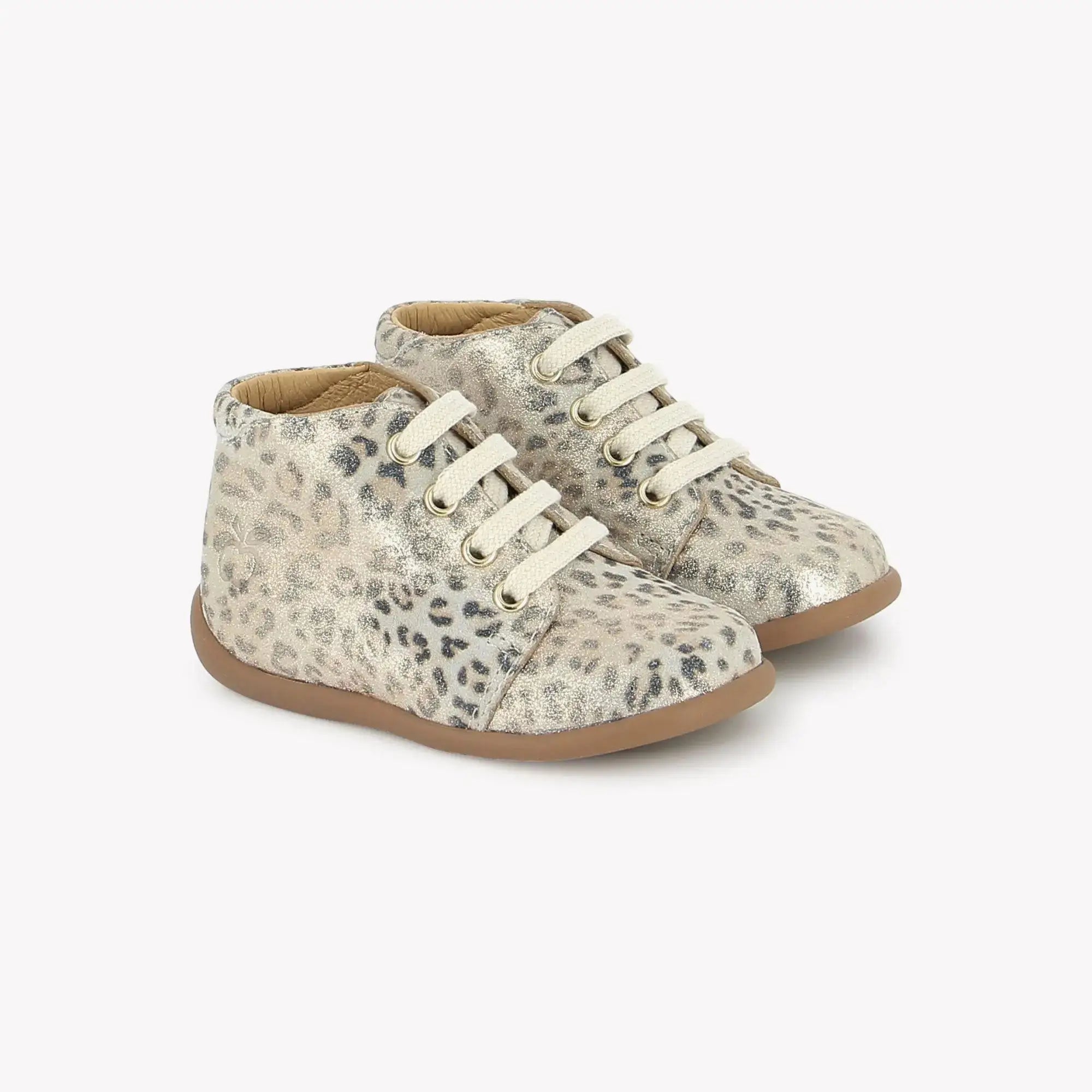
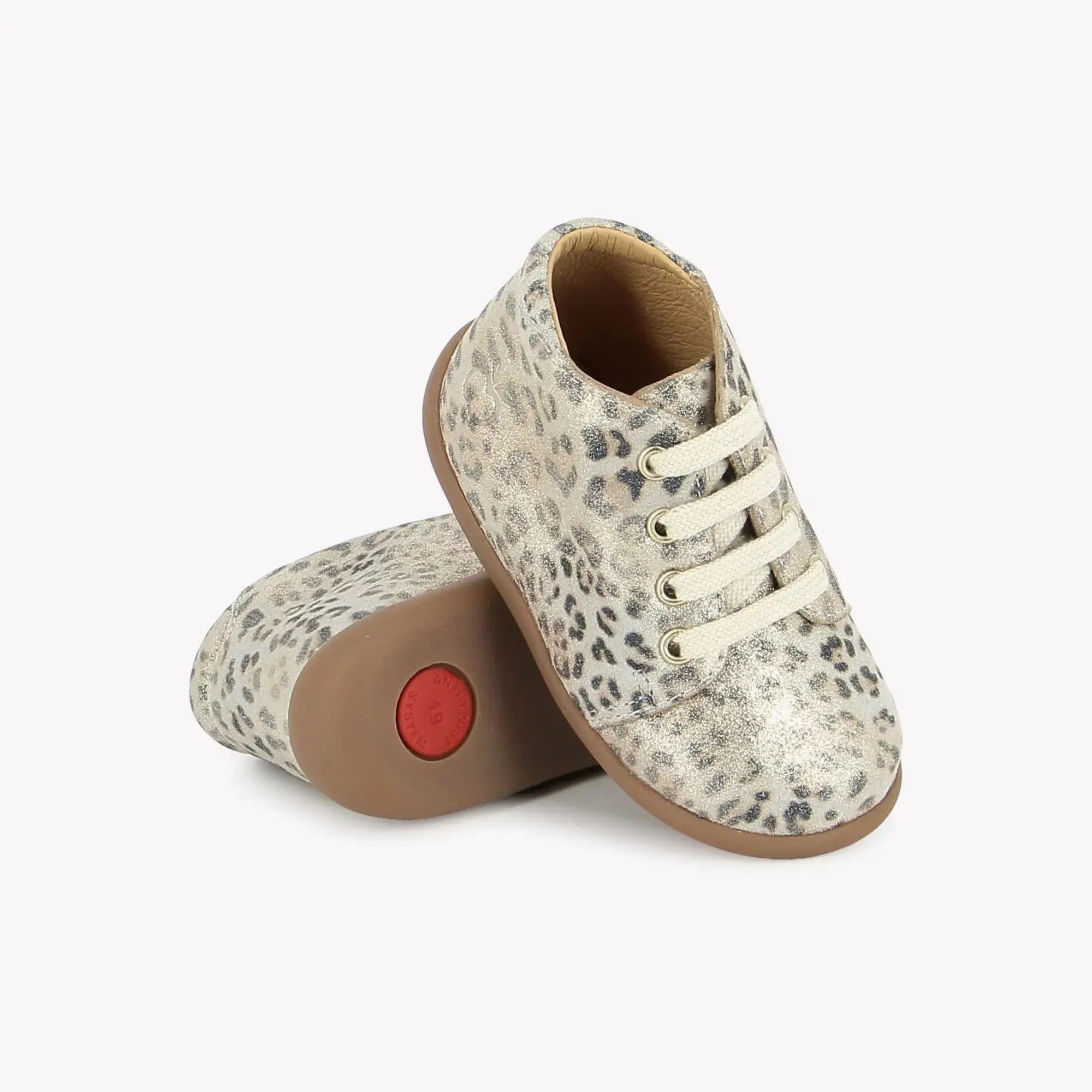
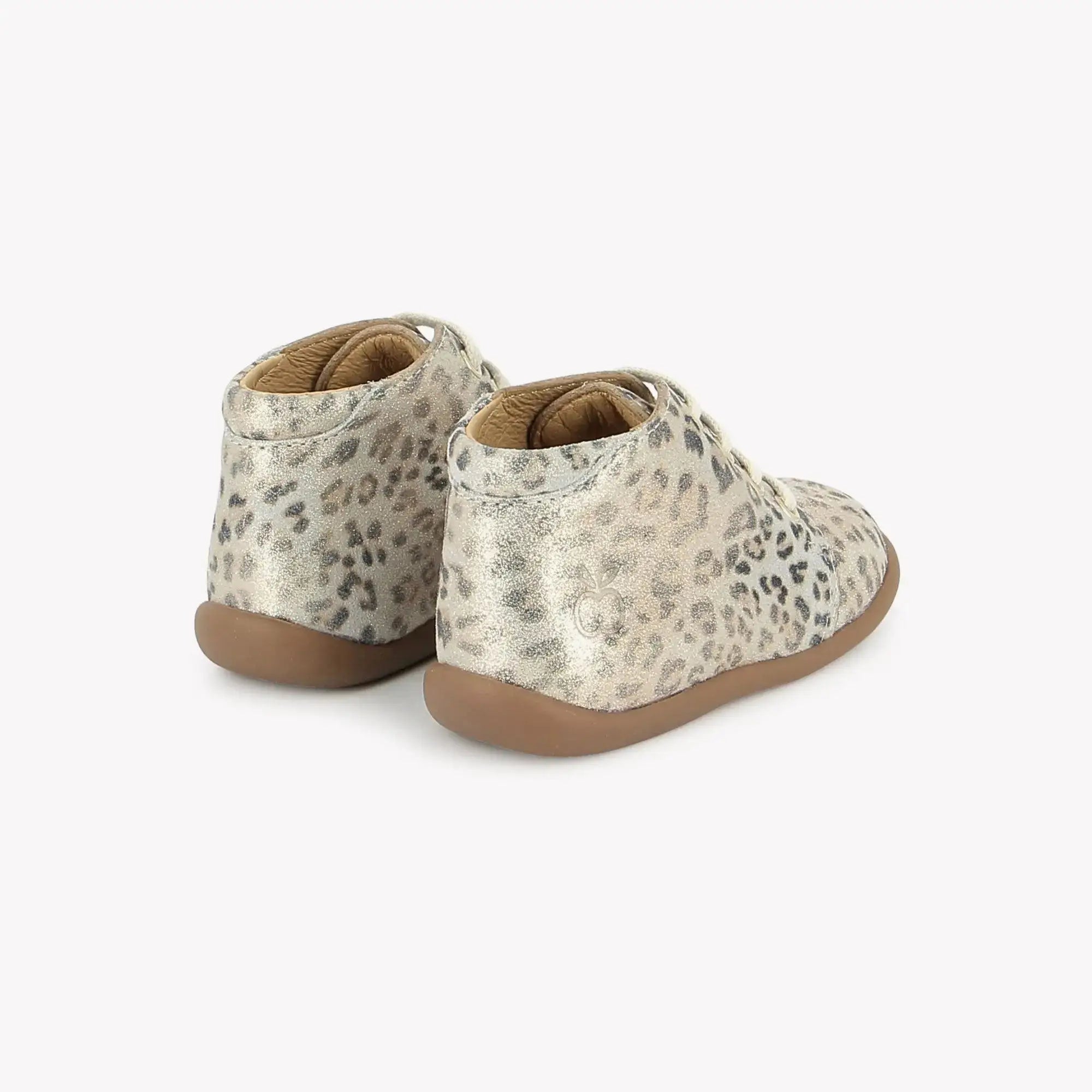
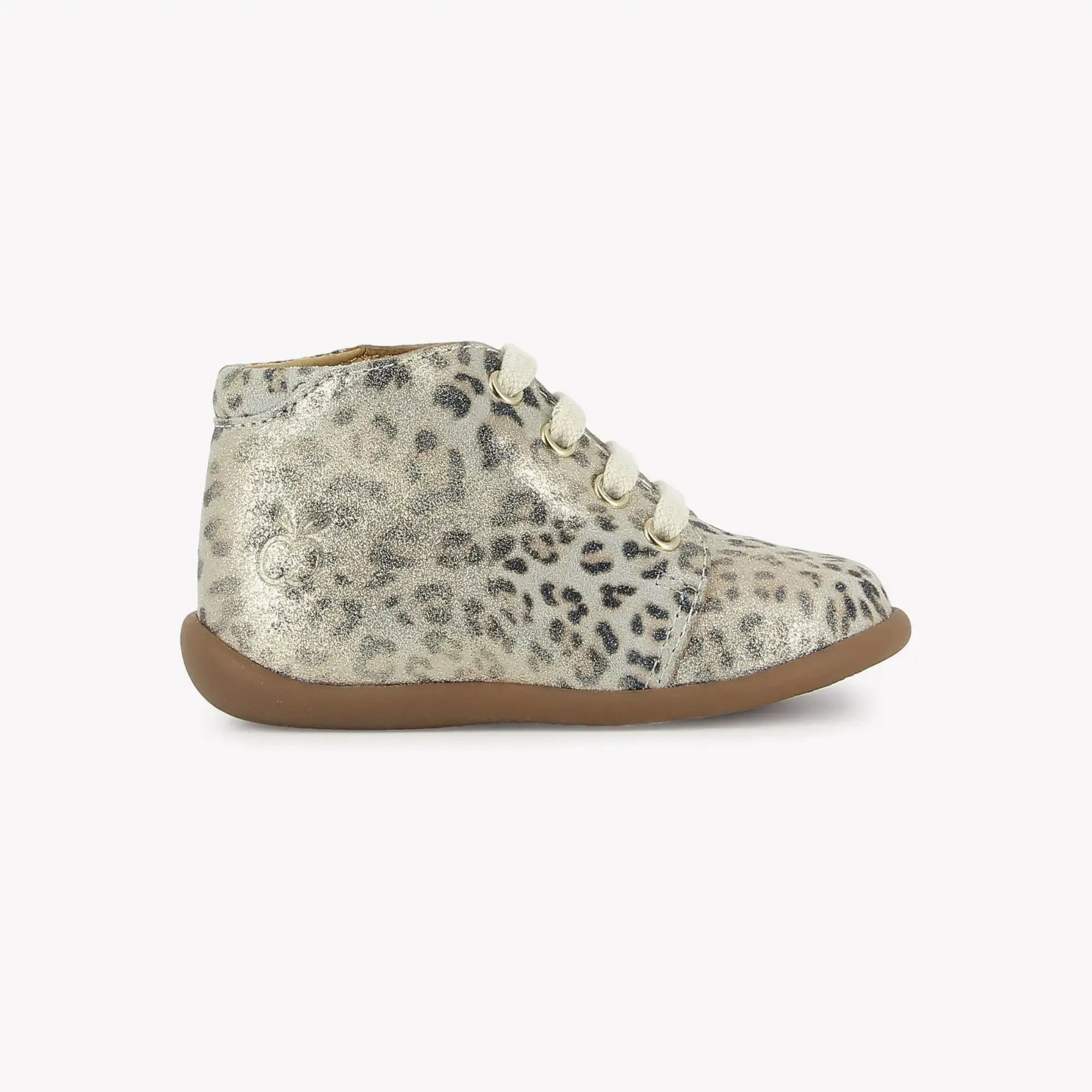
Developed by Pom d'Api
An Extra-Soft Model
Designed with a barefoot philosophy to support a child’s first steps, the Yaka model is flexible and lightweight. It provides protection while respecting the foot’s natural physiology to recreate the sensation of walking barefoot. The flexibility is multidirectional and adapts to every movement.
Discover its other benefits!
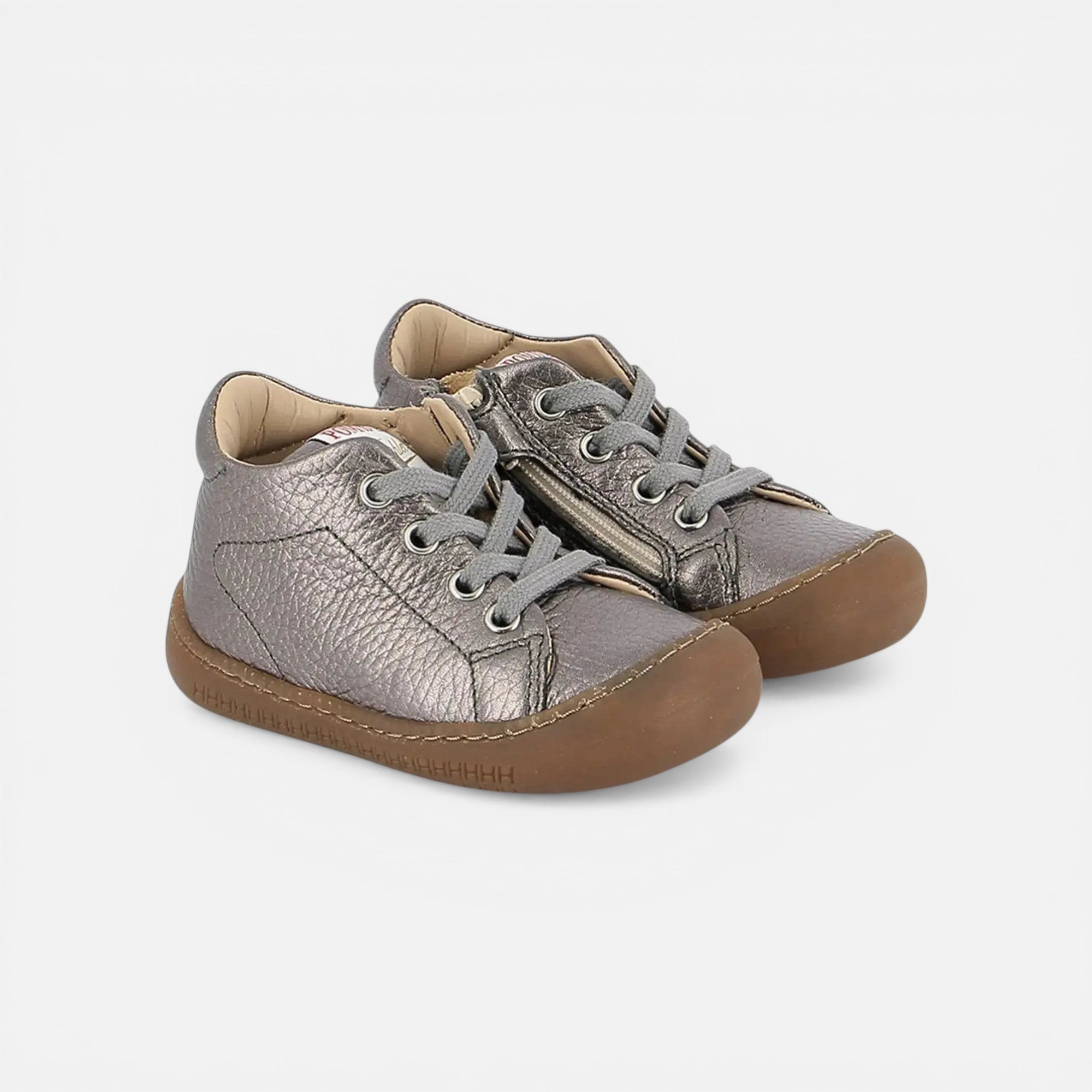
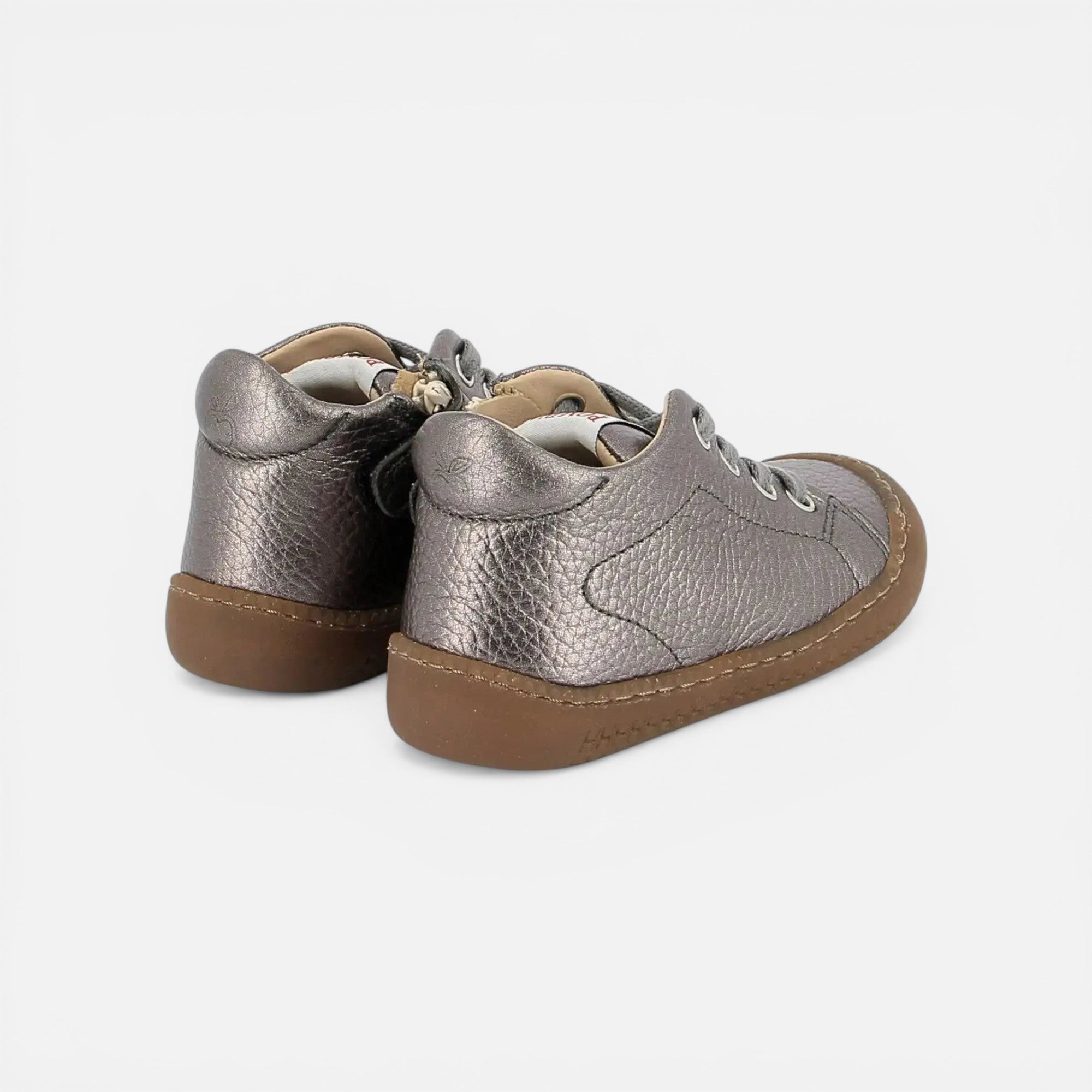
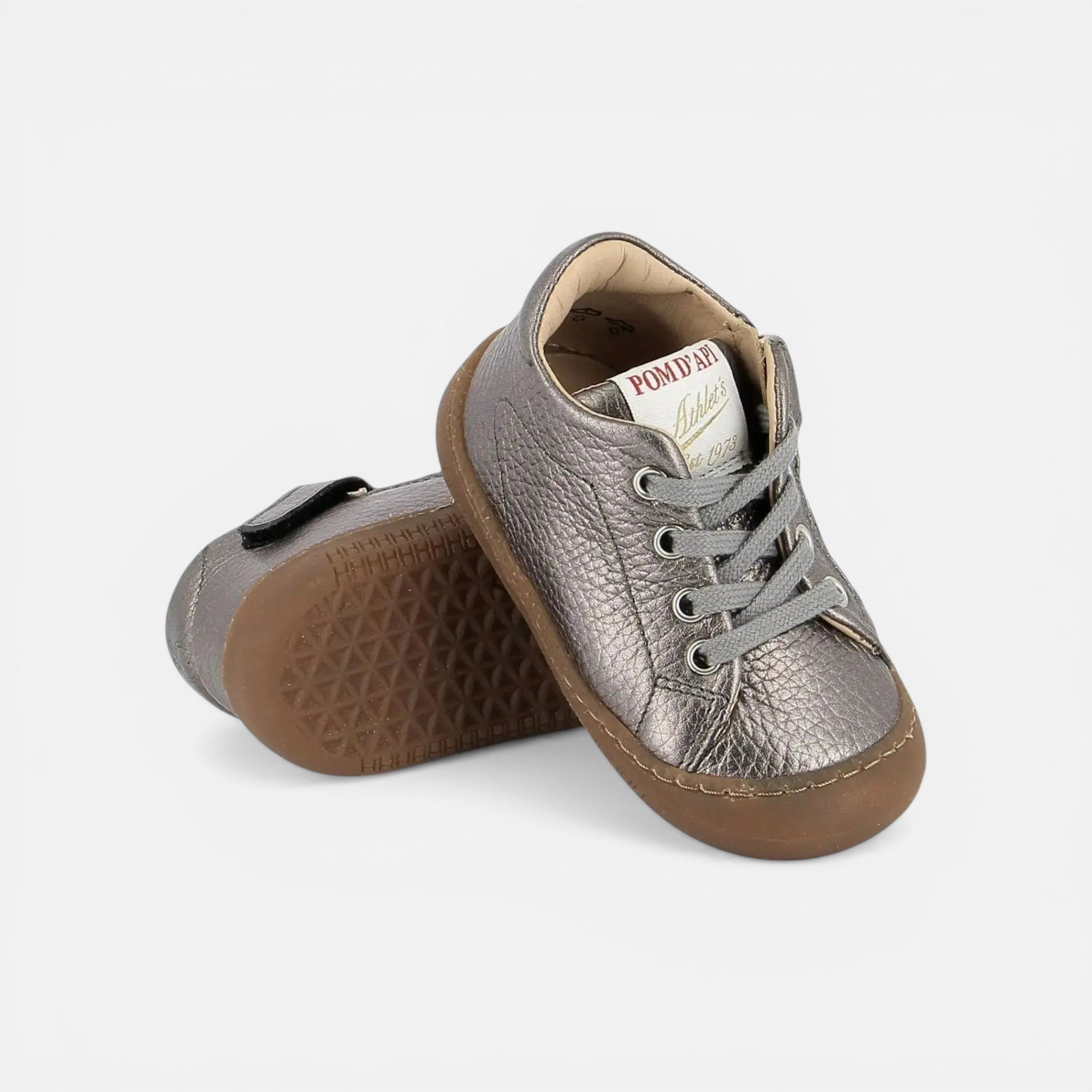
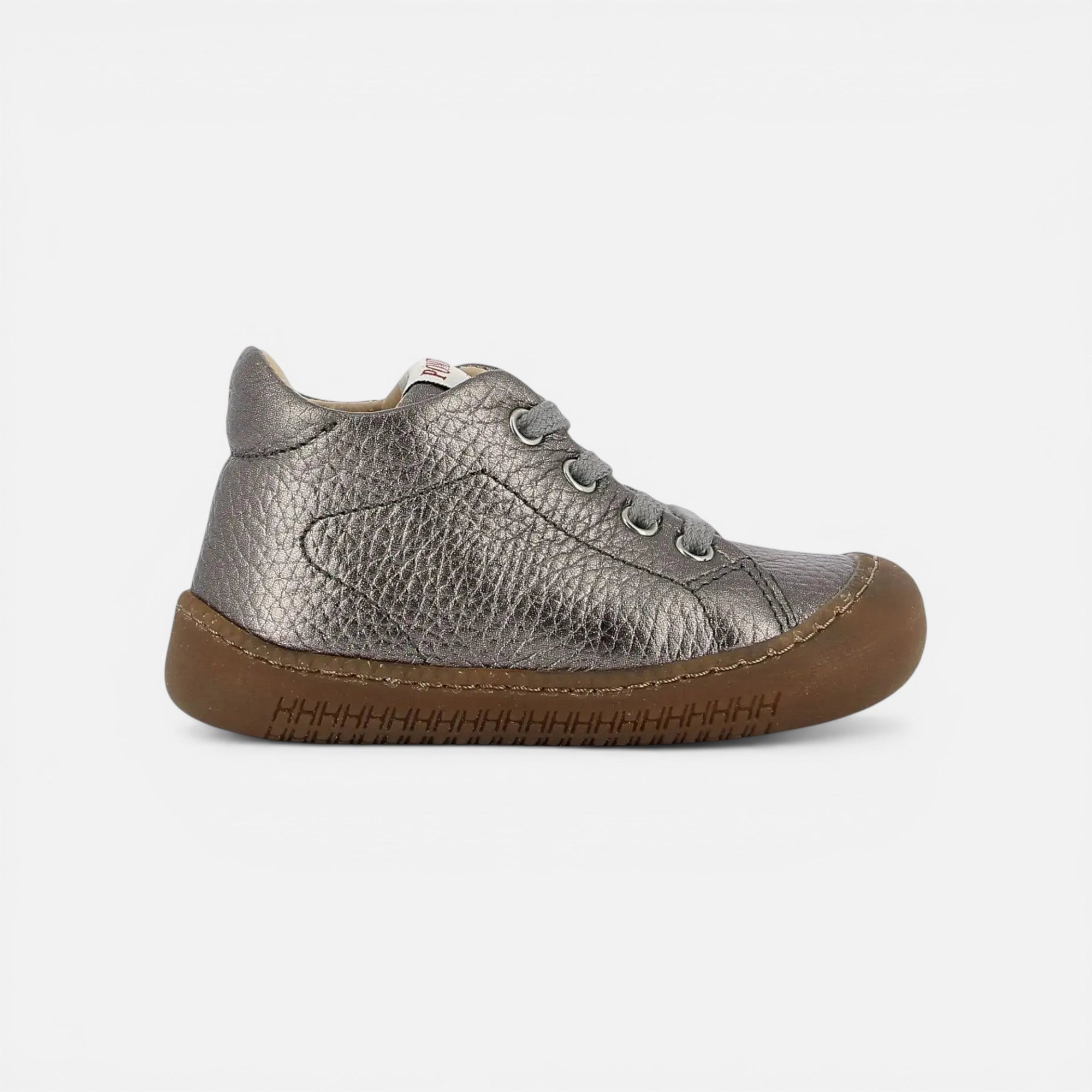
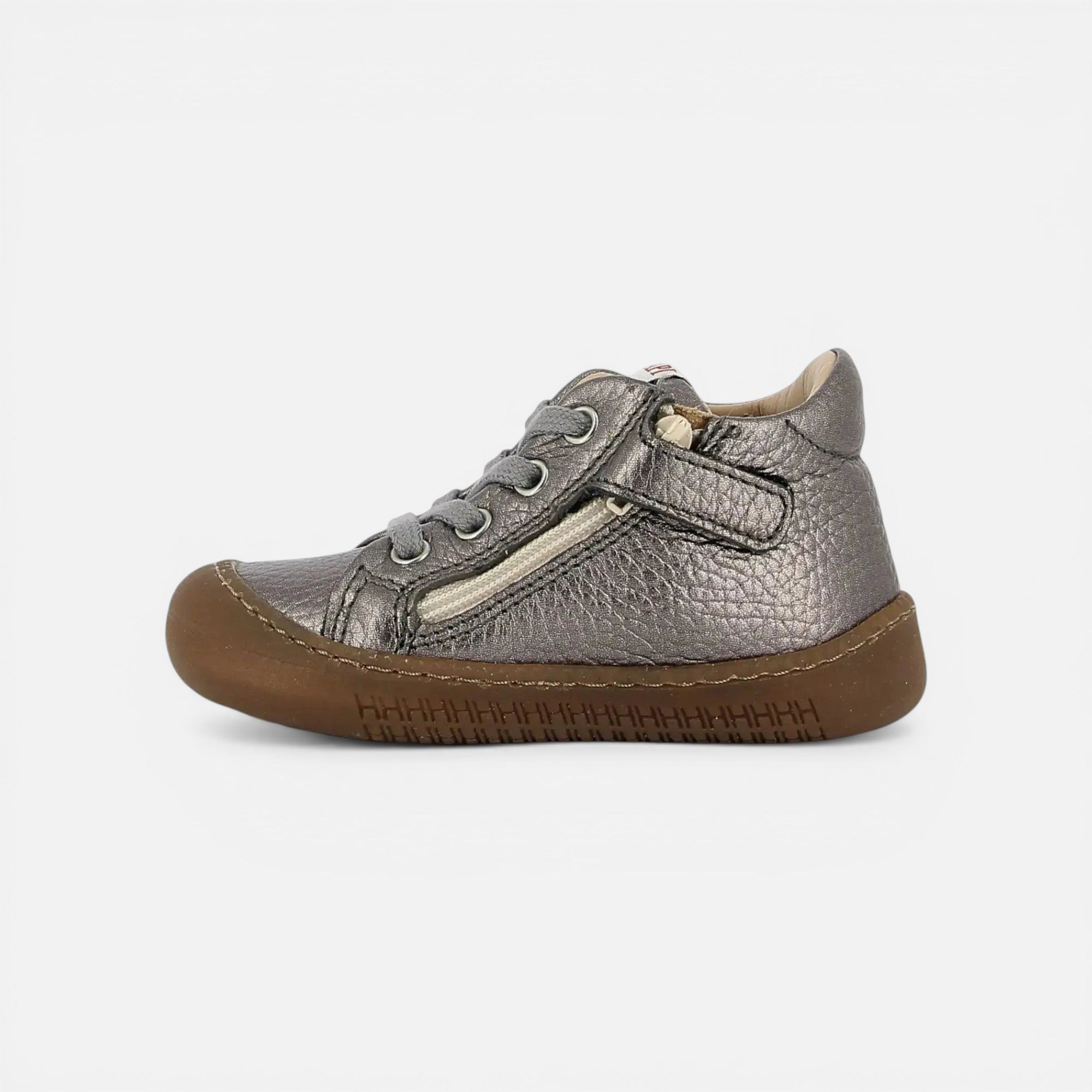
When your baby takes their first steps, having the right shoes is essential. Discover our collection of first-step shoes designed to safely support your baby as they learn to walk: Barefoot for babies, baby shoes, or booties.
Pom d'Api ’s know-how is based on the expertise of foot and early childhood specialists: each model of first-step shoe is designed to ensure optimal comfort and support proper foot development, from the smallest to the largest sizes (18 to 25). Flexible, non-slip soles, Anti-Twist© reinforcements to secure the ankle, high-quality materials, and meticulous finishes: our shoes combine support, lightness, and durability to accompany your baby on all their adventures.
How do you choose first-step shoes for a baby?
You should look for a soft, flexible sole that doesn't restrict the foot's natural movement, good ankle support, breathable materials, and, above all, a perfectly fitting size. At Pom d'Api, every model is designed in collaboration with foot care experts to meet these criteria.
At what age does a baby need first-step shoes?
Generally, as soon as a baby starts standing up and taking their first steps—which varies from child to child. Before that age, booties or flexible barefoot-style shoes are sufficient to protect the foot without restricting its development.
What's the difference between barefoot shoes and traditional first-step shoes?
Barefoot shoes have a very thin, ultra-flexible sole that allows the foot to feel the ground, promoting natural walking development. Traditional first-step shoes offer more support and protection, particularly with Anti-Twist© reinforcements to secure the ankle.
How do you properly measure a baby's foot size for their first pair of shoes?
It is recommended to measure your baby’s foot at the end of the day, while standing if possible, and to add about 0.5 to 1 cm of extra room to allow for growth. The size guide at Pom d'Api helps you convert this measurement to the exact shoe size.